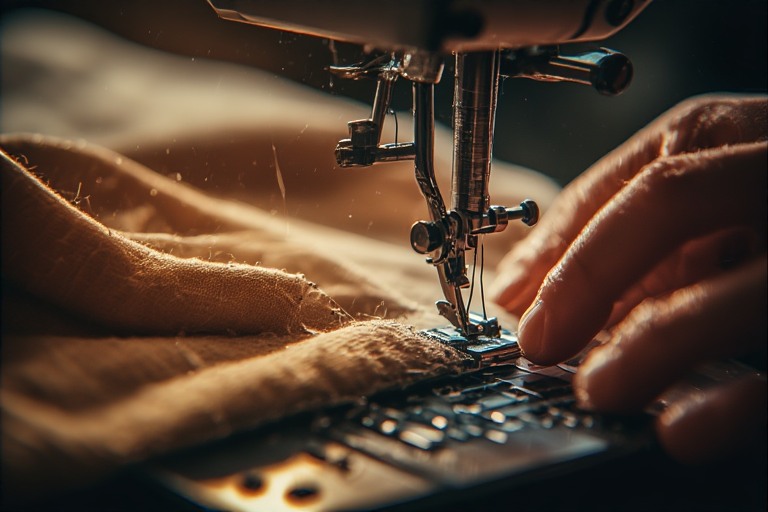
Understanding Nahttypen (seam types) is one of the most important foundations in sewing and textile design. Every garment whether simple or complex depends on how fabric pieces are joined together.
Seam types affect not only how clothing looks but also how it performs over time in terms of strength comfort flexibility and durability. Professional sewing is not just about stitching it is about choosing the correct construction method for each fabric and purpose.
What Is Nahttypen in Sewing?
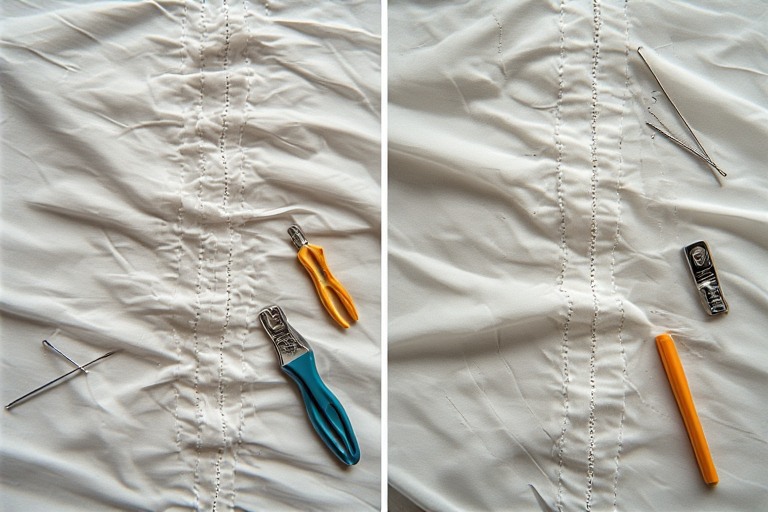
Nahttypen is a German sewing term that translates to types of seams. It refers to the different ways Fabric layers are stitched together during garment construction using different Nahttypen (seam types) and each seam serves a specific functional and structural purpose in sewing and textile design.
Each seam type is designed with a clear goal in mind:
- To securely hold fabric layers together for durability and strength
- To prevent fraying unraveling and fabric damage over time
- To improve overall garment structure and shape stability
- To enhance the visual finish and professional appearance of clothing
- To support stretch movement and flexibility in wearable garments
In professional tailoring and garment manufacturing seam selection is considered just as important as fabric choice because the wrong seam can weaken even high quality materials while the right seam can significantly increase durability comfort and design quality.
Types of Seam Techniques Every Sewer Should Know
There are many seam types in sewing but a few are essential for every beginner and professional.
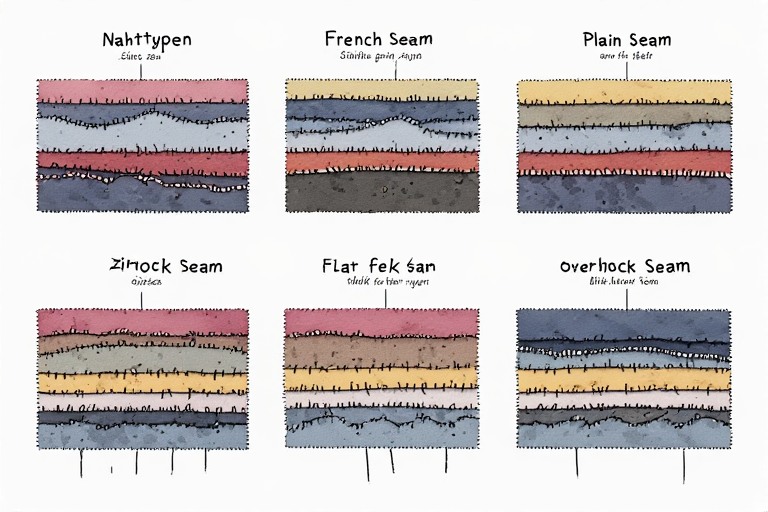
Plain Seam (Basic Seam)
The plain seam is the foundation of sewing. It joins two fabric pieces with a straight stitch and is used in most garments.
- Simple and fast to sew
- Requires finishing to prevent fraying
- Common in dresses shirts and basic clothing
French Seam (Clean Interior Finish)
A French seam encloses raw fabric edges inside the seam itself.
- Ideal for delicate fabrics like silk chiffon and organza
- Provides a clean and elegant interior finish
- Stronger than it looks because it is stitched twice
Flat Felled Seam (Heavy Duty Seam)
This is one of the strongest seam types in sewing.
- Used in jeans trousers and workwear
- Two lines of stitching increase durability
- Prevents seam opening under stress
Overlock Seam (Serger Seam)
Made using an overlock machine.
- Trims and seals edges at the same time
- Prevents fabric from fraying
- Perfect for stretch fabrics like knits
Zigzag Seam
A zigzag stitch is a flexible alternative to overlocking.
- Allows stretch in fabric
- Used for finishing raw edges
- Suitable for home sewing machines
Blind Hem Seam
Used when stitches should not be visible.
- Common in formal clothing and trousers
- Creates a professional invisible hem
- Requires precision sewing
Nahttypen and Textile Materials: Understanding Fabric Choice in Sewing
Understanding different Nahttypen is closely connected to the choice of fabric and textile structure. Strong, flexible, or delicate materials often require specific seam types to ensure durability and a clean finish in garment construction.
For a deeper understanding of fabric selection and textile behavior, you can explore the wollmatten textile materials guide, which explains how different materials influence sewing quality, comfort, and overall design performance. Linking seam types with the right textile choice helps improve both the functionality and appearance of finished clothing.
Plain Seam vs French Seam vs Flat-Felled Seam
These three seam types are the most important in garment construction.
Plain Seam
- Fast production seam
- Needs edge finishing
- Used in everyday clothing
French Seam
- Fully encloses raw edges
- Best for lightweight and delicate fabrics
- Adds luxury finish to garments
Flat-Felled Seam
- Extremely strong and durable
- Common in denim and uniforms
- Withstands repeated washing and heavy use
These seams represent the balance between speed beauty and strength.
How Seam Choice Affects Fabric Strength and Durability
The seam type directly determines how long a garment will last.
Poor seam choice can cause:
- Fabric tearing at stress points
- Loose or broken stitching
- Frayed edges after washing
- Weak garment structure
Correct seam choice improves:
- Long-term durability
- Resistance to tension and movement
- Clean professional appearance
- Better comfort during wear
For example using a plain seam on stretchy fabric often leads to broken stitches while overlock seams maintain elasticity.
Choosing the Right Stitch for Your Project
Choosing the right stitch is essential for a successful sewing project as it affects both the appearance and strength of the final result. The first factor is fabric type. Lightweight fabrics require soft, simple stitches while heavy fabrics need stronger and more durable stitching for proper support.
Next is the purpose of the project. Stretch stitches are ideal for clothing because they allow movement while straight stitches work best for home items like curtains where strength and neatness are important. Finally design also plays a role. Decorative stitches can enhance simple seams adding creativity and style to the finished work.
A Journey Through the Nahttypen Stitching Process
The best way to learn Nahttypen (seam types in sewing) is through hands on practice and curiosity. A common starting point for an enclosed seam is placing fabric with the wrong sides together and sewing a narrow first stitch line.
Using the presser foot as a guide ensures accuracy and helps maintain even seam allowances. This simple technique is essential for achieving clean and professional stitching across different seam types.
After the first seam pressing with a steam iron is a crucial step. It sets the stitches improves precision and helps shape the fabric properly. The seam is then trimmed if needed and folded so the right sides face together, enclosing the raw edges inside.
A second line of stitching completes the construction securing the seam firmly in place. The result is a strong clean and professional quality seam demonstrating how proper Nahttypen techniques transform fabric into structured, durable garment construction.
Step by Step Guide to Common Seam Types
Here is how professional seam construction is done:
Step 1: Preparation
- Cut fabric accurately
- Mark seam allowance clearly
- Align fabric pieces properly
Step 2: Stitching
- Use correct needle and thread
- Maintain consistent seam allowance
- Sew at steady speed
Step 3: Pressing (Very Important)
- Press seams after every stitch line
- Helps set stitches and shape fabric
- Improves final garment quality
Step 4: Finishing
- Trim excess fabric if needed
- Use overlock or zigzag for raw edges
- Reinforce stress areas
Pressing is one of the most overlooked but professional sewing secrets.
Textile Design and Fabric Processing in Nahttypen
Nahttypen are an essential part of clothing construction, but they also connect closely with broader textile design and fabric processing concepts. Different seam types can influence the final texture, structure, and visual style of a garment, making them an important consideration in advanced design work. To explore more about creative fabric styling and construction ideas, you can read about pyntekvister textile design concepts, which highlight how design elements and textile craftsmanship work together to create unique and visually appealing clothing structures.
Common Sewing Mistakes and How to Fix Them
1. Puckered Seams
- Cause: incorrect tension or fabric mismatch
- Fix: adjust machine tension and test stitching
2. Skipped Stitches
- Cause: dull needle or wrong needle type
- Fix: replace needle and match fabric type
3. Fabric Shifting
- Cause: slippery fabric layers
- Fix: use pins, clips, or walking foot
4. Weak Seam Strength
- Cause: wrong seam type for fabric
- Fix: choose stronger seam like flat-felled or overlock
Hand Sewing Stitches
Hand sewing stitches provide better control precision and a personal finish compared to machine sewing. They are commonly used in seams hems repairs and decorative fabric work. The running stitch is the simplest and most common stitch used for basic seams and hemming.
The backstitch is stronger and more durable making it ideal for areas that need extra reinforcement. For invisible finishing the slip stitch and blind hem stitch are used as they stay hidden and create a clean look on delicate fabrics.
Decorative options like the whip stitch and herringbone stitch add both function and style to sewing projects. Each stitch has a specific purpose and choosing the right one improves the strength finish and overall quality of your sewing work.
Machine Sewing Stitches
Machine sewing stitches allow faster stronger and more precise sewing, making them essential for both beginners and professionals in garment construction. The most common is the straight stitch used for basic seams and hems in nearly all sewing projects.
The zigzag stitch is also very important as it prevents fabric edges from fraying and works well with stretchable materials like knits.
In addition decorative stitches are used to add style and creative patterns making simple garments more visually appealing and unique. Understanding sewing machine settings and experimenting with different stitch types helps improve skills and expands creative sewing possibilities.
Professional Sewing Tips for Better Results
To achieve professional-level sewing quality:
- Always press seams before and after stitching
- Use high quality thread for durability
- Choose needle size based on fabric thickness
- Test stitch settings on scrap fabric first
- Avoid pulling fabric while sewing
- Work slowly for precision not speed
These techniques significantly improve garment finish and longevity.
Sewing is not always perfect mistakes like sewing the wrong sides together or catching fabric layers happen to everyone. These are normal parts of learning Nahttypen (seam types in sewing) and understanding how different seams behave.
A common issue is tension and puckering where fabric gathers or seams feel tight. This usually happens due to incorrect machine tension or using the wrong needle for the fabric weight not lack of skill.
Using the right tools also makes a big difference. For example a walking foot helps slippery fabrics move evenly, preventing one layer from shifting ahead of the other.
In sewing mistakes are not failures they are part of the learning process that helps improve technique and understanding over time.
Nahttypen Workflow and Structure in Clothing Design
Nahttypen play an important role not only in garment construction but also in the overall workflow and structure of clothing design. Understanding how different seam types fit into the production process helps designers choose the right techniques for efficiency, durability, and visual quality. To explore how structured planning and workflow thinking influence creative and technical output, you can read more about the nahttypen workflow and structure in clothing design. This connection between design process and technical execution improves consistency and strengthens the final garment outcome.
Strengthening Creativity Through Nahttypen
Using different Nahttypen (seam types in sewing) has changed how I approach every project. It feels like expanding a painter’s palette each seam adds new possibilities for design and fabric choice.
When you know which seam to use you can work confidently with everything from strong fabrics to delicate materials. This technical understanding removes worry about durability allowing more focus on creativity and design.
It also improves quality and longevity. Well chosen seams make handmade items last much longer proving that the hidden construction details are what truly support strong beautiful and lasting creations.
Growing Through Every Stitch
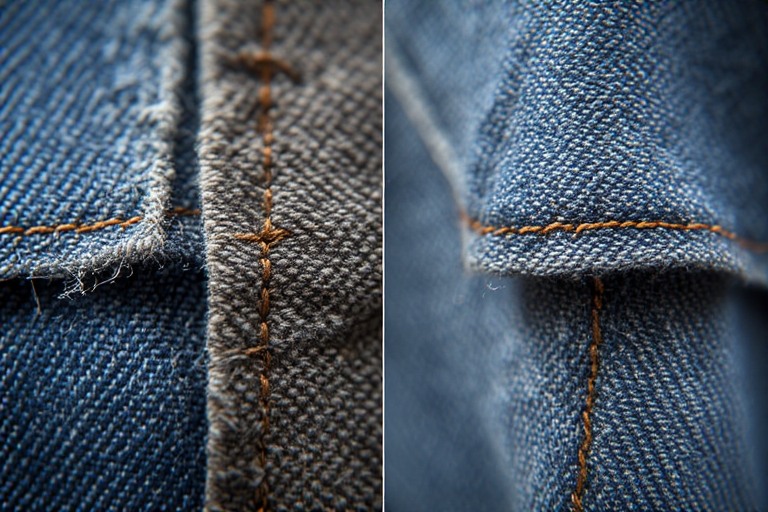
Looking back at my first uneven tote bag I’ve learned that understanding Nahttypen (seam types in sewing) is more than a technical skill it teaches patience and growth. If you’re unsure just start small. Take fabric scraps and try a new seam.
It doesn’t have to be perfect it just needs to move you forward. Creativity is not about reaching perfection but about continuous learning through practice. Every stitch and every seam is a step in building confidence and craftsmanship in sewing.
Conclusion
Nahttypen are the foundation of sewing quality. The right seam transforms fabric into strong durable and professional garments.
FAQs
What does Nahttypen mean in sewing?
Nahttypen means different types of seams used to join fabric pieces in garment construction.
Which seam is best for beginners?
The plain seam is the easiest and most commonly used seam.
Which seam is the strongest?
The flat-felled seam is the strongest and most durable seam type.
How do I stop fabric from fraying?
Use overlock stitching zigzag seams or enclosed seams like French seams.
Are decorative seams useful?
Yes, many decorative seams also improve garment strength and structure.