The world is facing an escalating waste crisis that continues to grow with urbanization industrial expansion and rising consumer demand. Every year more than 2 billion tonnes of solid waste are generated globally and projections suggest this figure could reach 3.4 billion tonnes by 2050. This is not a distant or theoretical problem. It is already affecting landfills oceans ecosystems and public health across every continent.
Despite the existence of recycling systems the gap between the amount of waste produced and the amount effectively recycled continues to widen. Traditional methods struggle with contamination inefficiency and lack of scalability. In response to these challenges MataRecycler emerges as an advanced solution designed to transform waste management through intelligent systems and modern technology.
MataRecycler is an AI waste management system that combines automation data analytics and smart recycling infrastructure to improve how waste is sorted processed and reused. It represents a shift from outdated recycling practices toward a more efficient transparent and sustainable model.
How Big the Waste Problem Really Is
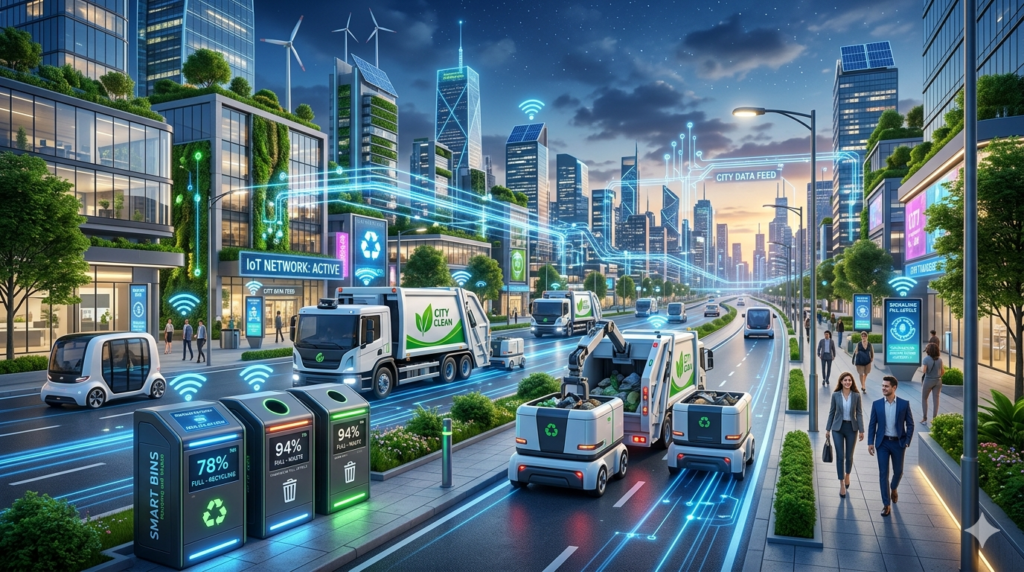
The scale of the global waste problem is staggering. In the United States alone approximately 292 million tonnes of municipal solid waste are generated annually equating to nearly 4.9 pounds per person each day. However only about 32 percent of this waste is recycled or composted. The remainder is either sent to landfills or incinerated contributing to environmental degradation and greenhouse gas emissions.
On a global level the situation becomes even more concerning. According to estimates from the World Bank only around 13.5 percent of waste worldwide is recycled. In many developing regions waste collection systems are either underdeveloped or entirely absent leading to uncontrolled dumping and severe environmental consequences.
Plastic pollution represents one of the most visible aspects of this crisis. Millions of tonnes of plastic waste enter the oceans each year disrupting marine ecosystems and entering the food chain. At the same time landfills continue to expand producing methane a greenhouse gas significantly more potent than carbon dioxide over a 20 year period.
These realities highlight the urgent need for a more advanced and reliable waste management approach one that can handle increasing volumes while reducing environmental impact.
Why the Old System Is Broken
Traditional recycling systems were not designed to manage the volume and complexity of modern waste streams. While the concept of recycling appears straightforward at the consumer level the processes behind it are far more complicated and often inefficient.
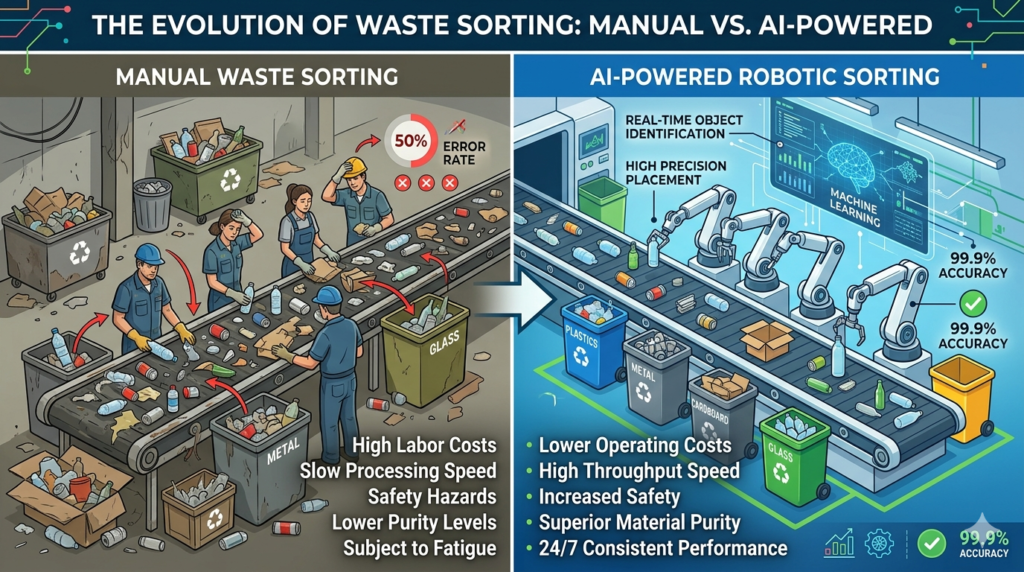
Most recycling facilities still rely heavily on manual labor where workers sort materials on conveyor belts at high speeds. This method limits accuracy and increases the likelihood of contamination. Items such as food-contaminated packaging plastic bags and mixed materials can disrupt entire batches causing them to be diverted to landfills.
Contamination rates in many recycling programs remain high often ranging between 17 and 25 percent. When contamination exceeds acceptable thresholds recyclable materials lose their value and are treated as waste instead.
Global policy changes have further exposed weaknesses in the system. When major importers of recyclable materials restricted their intake many regions struggled to find alternatives, leading to reduced recycling efforts and increased reliance on landfills.
These challenges demonstrate that incremental improvements are not enough. A fundamental transformation is required to make recycling systems more efficient, accurate, and scalable.
What MataRecycler Is Actually Building
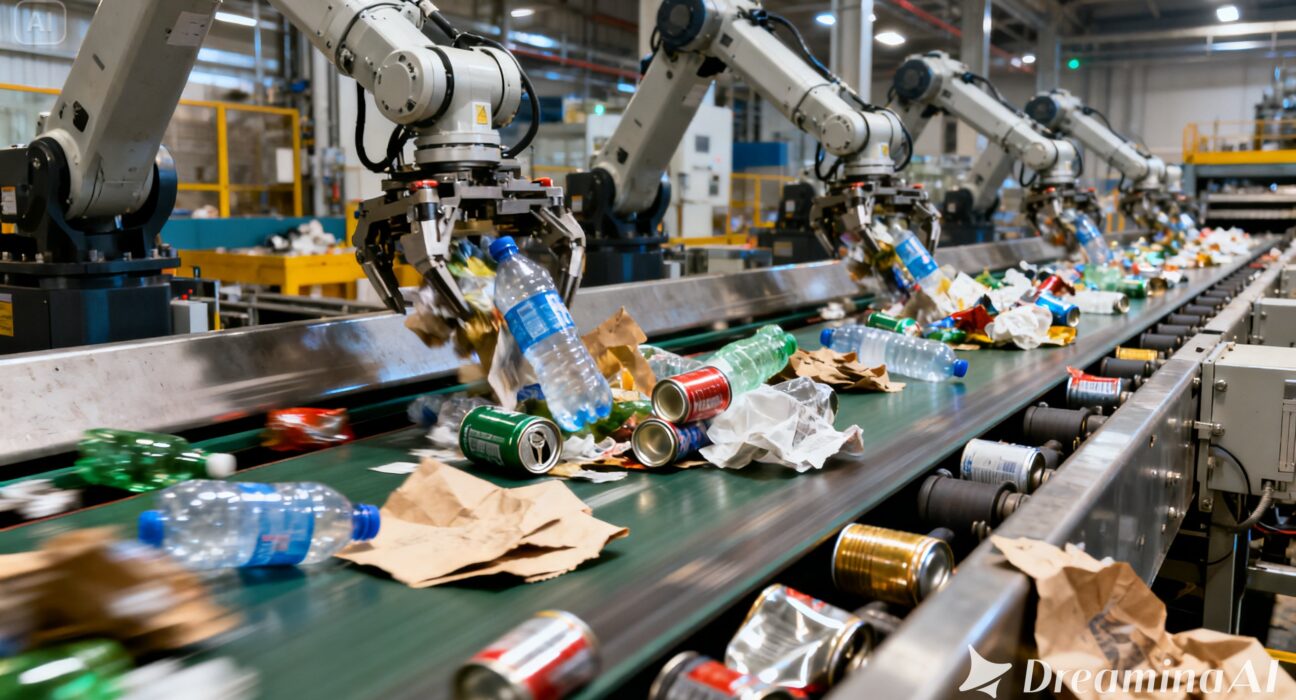
MataRecycler is designed to address these systemic failures by introducing intelligent automation into the recycling process. At its core the platform functions as an AI waste management system that uses advanced technologies such as computer vision machine learning, and sensor based analysis to identify and sort materials.
Unlike traditional systems MataRecycler can distinguish between different types of plastics metals paper glass and electronic waste based on their physical and chemical properties. This level of precision significantly reduces contamination and improves the quality of recycled materials.
The system operates continuously maintaining high levels of accuracy without the limitations associated with human fatigue. In many cases AI driven sorting systems achieve accuracy rates exceeding 95 percent with some specialized configurations reaching up to 98 percent.
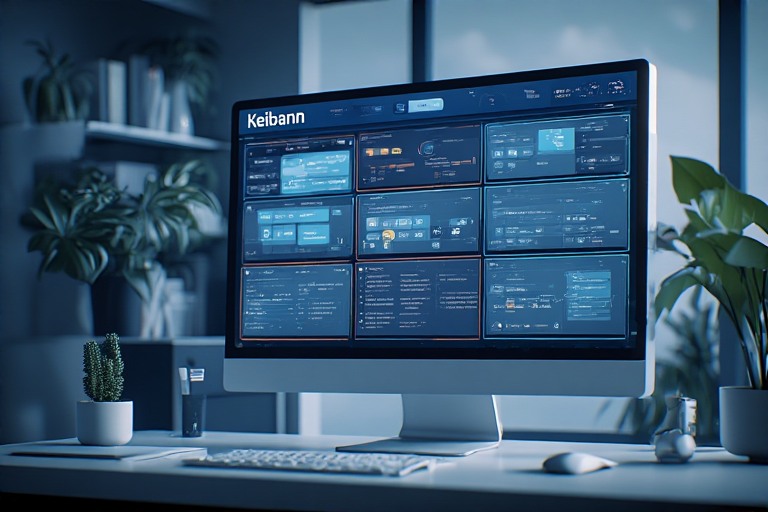
In addition to sorting capabilities MataRecycler integrates real time monitoring through cloud based dashboards. These tools provide insights into waste streams processing efficiency and material recovery rates allowing operators to make informed decisions and optimize performance.
By combining automation with data driven intelligence MataRecycler creates a more reliable and scalable approach to waste management.
The Environmental Impact
The environmental benefits of improved recycling systems are substantial and measurable. Efficient recycling reduces the amount of waste sent to landfills lowers greenhouse gas emissions and conserves natural resources.
Producing materials from recycled inputs requires significantly less energy compared to using raw resources. For example recycled aluminum production uses up to 95 percent less energy than manufacturing from ore. Similarly recycling paper helps conserve trees and water while reducing pollution associated with traditional production processes.
By increasing recycling rates and reducing contamination MataRecycler contributes to a decrease in methane emissions from landfills. This is particularly important given methane’s high global warming potential.
Improved waste management also helps prevent pollution in oceans and waterways. When fewer materials are discarded improperly ecosystems experience less stress and biodiversity is better preserved.
Overall the environmental impact of adopting advanced recycling technologies extends beyond waste reduction, influencing climate change mitigation and resource sustainability.
Proven Benefits
Real-world implementations of intelligent recycling systems demonstrate their effectiveness in diverse environments. Communities and facilities that adopt these technologies often report significant improvements in recycling efficiency and waste diversion rates.
Advanced sorting systems are capable of processing large volumes of waste at speeds that surpass manual methods. This increased capacity allows facilities to handle peak demand periods without compromising accuracy.
Higher sorting precision results in cleaner material streams which are more valuable in recycling markets. This not only reduces waste but also creates economic opportunities by enabling materials to be reintroduced into production cycles.
Case studies from different regions highlight the practical impact of these systems showing measurable reductions in landfill use and improved recovery of recyclable materials.
The Economic Benefits
Beyond environmental advantages MataRecycler offers strong economic benefits for businesses and municipalities. Waste management is a significant expense, and inefficient systems can lead to rising operational costs.
Landfill fees continue to increase in many regions placing financial pressure on organizations that rely on disposal rather than recycling. By improving sorting accuracy and material recovery, smart recycling systems help reduce these costs.
Recovered materials can be sold or reused, creating additional revenue streams and supporting the development of a circular economy. This approach shifts waste from being a cost burden to becoming a valuable resource.
The recycling industry also contributes to job creation supporting a wide range of roles in processing logistics, and technology development. As adoption of advanced systems grows, so does the potential for economic expansion in this sector.
Community Awareness and Engagement
Technology alone cannot solve the waste crisis without active participation from communities. Public awareness and education play a critical role in ensuring that recycling systems function effectively.
Many people express a willingness to recycle but confusion about guidelines and uncertainty about outcomes often reduce participation. MataRecycler addresses this challenge by providing tools and programs that improve understanding and engagement.
Educational initiatives in schools and workplaces help individuals learn proper sorting practices while digital platforms offer guidance tailored to local requirements. These efforts create a feedback loop where users can see the impact of their actions reinforcing positive behavior.
Community involvement also fosters a sense of responsibility and collective action which is essential for achieving long term sustainability goals.
The Future of MataRecycler
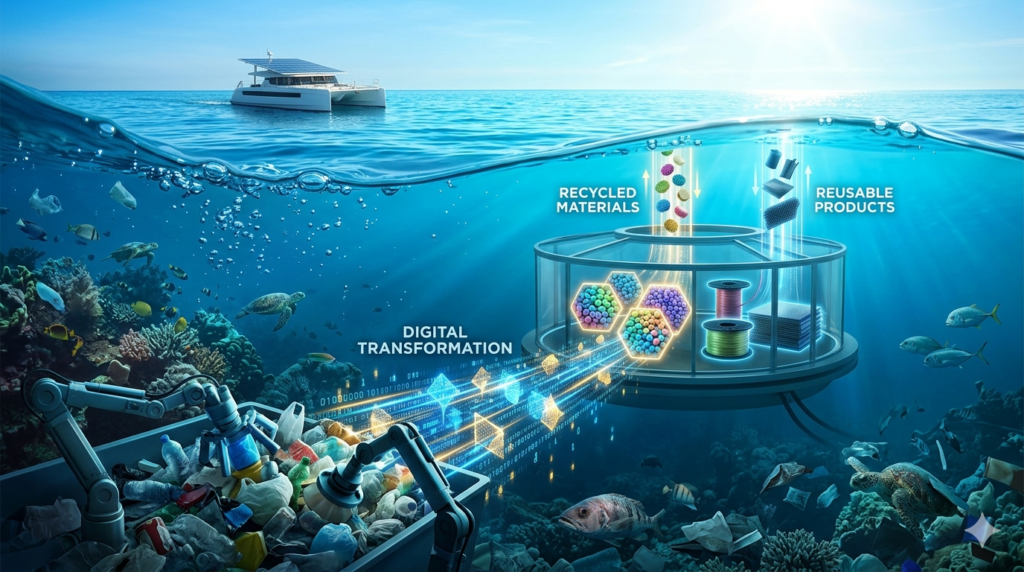
The future of waste management lies in continued innovation and integration with broader urban systems. MataRecycler is positioned to expand its capabilities through advancements in artificial intelligence sensor technology and smart infrastructure.
Emerging developments include adaptive collection systems that respond to real time data reducing unnecessary transportation and improving efficiency. Integration with smart city networks allows for better coordination between waste management services and other urban operations.
Handling complex materials such as electronic waste and multi layer packaging remains a key focus area. As technology evolves MataRecycler aims to improve its ability to process these challenging waste streams.
Expansion into regions with limited waste management infrastructure also represents a significant opportunity to create global impact.
Conclusion
The global waste crisis continues to grow but it also presents an opportunity for innovation and transformation. Traditional recycling systems are no longer sufficient to address the scale and complexity of modern waste.
MataRecycler offers a forward-looking solution by combining artificial intelligence data analytics and smart infrastructure to create a more effective waste management system. Its ability to improve accuracy, reduce contamination and increase efficiency makes it a valuable tool in the tran
(FAQs)
What is MataRecycler?
MataRecycler is an AI-powered waste management system that uses smart sensors and machine learning to sort track and improve recycling processes. It helps reduce waste increase recycling efficiency and minimize environmental impact.
How does MataRecycler work?
MataRecycler uses artificial intelligence, computer vision, and advanced sensors to identify and sort materials like plastic metal glass and paper. The system analyzes waste in real time and improves accuracy through continuous learning.
Why is MataRecycler important for waste management?
MataRecycler improves waste management by reducing contamination, increasing recycling rates, and lowering landfill waste. It provides a more efficient and sustainable alternative to traditional recycling systems.
What are the benefits of using MataRecycler?
MataRecycler helps reduce operational costs, improves recycling accuracy and supports environmental sustainability. It also provides real time data insights for better waste management decisions.
Can MataRecycler be used by communities and businesses?
Yes, MataRecycler is designed for municipalities businesses and communities. It can be integrated into existing waste systems to improve recycling performance and reduce environmental impact.
How does MataRecycler help the environment?
MataRecycler reduces landfill waste lowers carbon emissions and conserves natural resources. By improving recycling efficiency it supports a cleaner and more sustainable ecosystem.
What makes MataRecycler different from traditional recycling systems?
MataRecycler uses AI and automation to achieve higher accuracy and efficiency than manual sorting. Traditional systems rely on human labor which leads to higher contamination and lower recycling rates.