

Burt Thicke sounds like a forgotten celebrity from the 1980s or 1990s the kind of smooth talk show host or romantic movie star audiences vaguely remember from old television and VHS era pop culture. But despite feeling strangely familiar Burt Thicke never actually existed.
The character was created entirely through internet memes AI generated images nostalgic storytelling and social media culture. Over time fake movie posters fictional biographies and deepfake videos transformed Burt Thicke into a believable digital legend. His rise shows how modern internet culture can blur the line between fiction and reality proving that online myths can sometimes feel just as real as actual history.
Is Burt Thicke a Real Person?
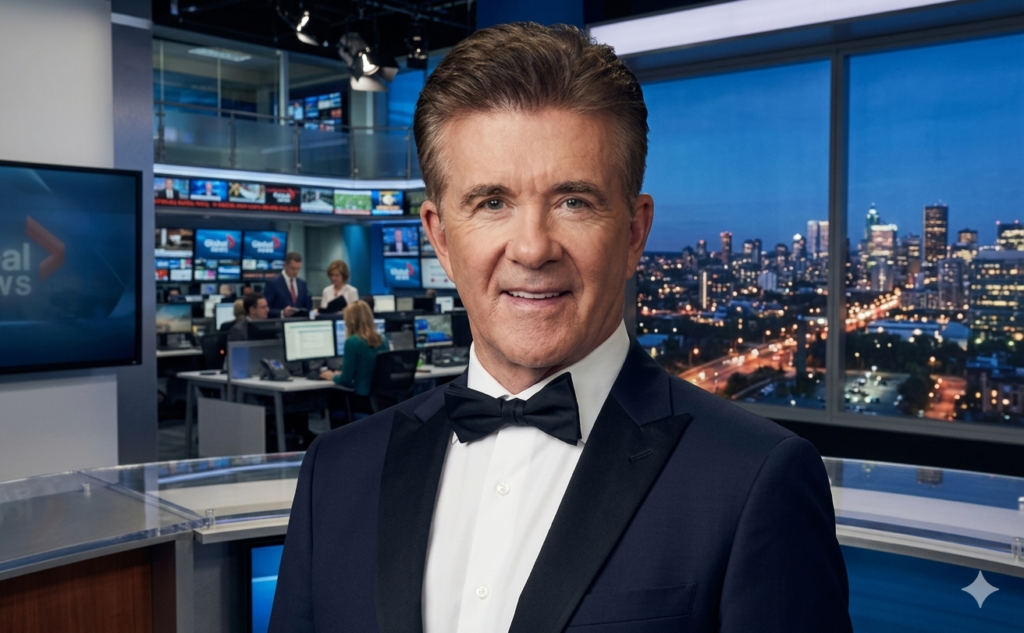
Burt Thicke is not a real historical celebrity actor singer or television host. He is a fictional internet persona inspired by retro celebrity culture and shaped by online communities. Everything associated with him including fake interviews fictional filmographies and AI generated photographs exists purely as part of an evolving internet myth.
The character became popular because his name sounds believable. Many people subconsciously connect it to celebrities like Burt Reynolds and Alan Thicke, creating an immediate sense of familiarity.
Why People Believe Burt Thicke Existed
The internet made Burt Thicke feel real through visual storytelling and repetition. Users shared edited images showing him at fictional award shows in fake movie scenes and on fabricated magazine covers. AI-generated photos added another layer of realism making the character appear like a genuine celebrity from decades ago.
This confusion connects strongly to the Mandela Effect where groups of people collectively remember events or individuals that never actually existed. The more audiences encountered Burt Thicke online the more emotionally familiar he became.
The Origins of Burt Thicke and the Birth of a Digital Legend
Burt Thicke first appeared online in the late 2010s through memes shared on Reddit Tumblr and Twitter/X. Internet users presented him as a forgotten celebrity from the 1980s or 1990s, using retro images fake quotes and fictional movie titles to build the illusion.
The name blended the charisma of Burt Reynolds with the familiar charm of Alan Thicke making it feel instantly believable. What began as a simple internet joke quickly evolved into a viral digital legend fueled by nostalgia and collective creativity.
The First Meme Appearances
The earliest references to Burt Thicke appeared during the late 2010s on meme forums and social media platforms. Users posted retro style images of mustached men wearing sunglasses alongside captions like At first, the joke remained small and absurd.
There were no biographies no consistent appearance and no detailed stories attached to the name. But internet communities quickly expanded the concept through collaborative humor. Soon fake film titles fictional interviews and nostalgic references transformed the meme into something much larger.
The Combination of Burt Reynolds and Alan Thicke
One reason Burt Thicke became so believable is because the name sounds culturally authentic. Burt naturally reminds audiences of Burt Reynolds the iconic Hollywood actor associated with rugged masculinity and vintage celebrity charisma.
Thicke immediately recalls Alan Thicke, known for his television presence and family friendly image during the 1980s and 1990s. The combination created a perfectly balanced fictional celebrity. Burt Thicke felt simultaneously glamorous approachable nostalgic and strangely familiar.
Why the Name Creates Instant Recognition
Human memory relies heavily on patterns and emotional associations. Burt Thicke sounds like the type of celebrity audiences vaguely remember seeing on old television programs or VHS movie covers. Even people who know the character is fictional often describe feeling as though they must have heard the name before.
Social media helped transform Burt Thicke from a small internet joke into a viral digital legend. Users shared fake movie posters AI generated photos fictional interviews and nostalgic TikTok edits that made him appear like a real celebrity from the 1980s or 1990s. As more people joined the trend with fan-made stories and fake career timelines Burt Thicke began to feel emotionally familiar despite never existing in reality.
Fake Quotes and Fictional Movies
As the meme spread fans began inventing elaborate fictional careers for Burt Thicke. Fake movie titles like Steel & Velvet Hard to Burt and The Thicke of It circulated widely online. Users also designed AI generated movie posters and retro soundtrack covers that looked convincingly authentic.
Popular fictional quotes added personality to the myth. Phrases such as Stay smooth stay Thicke and Confidence is 80% attitude and 20% good lighting became recurring jokes across social media. Each contribution deepened the illusion that Burt Thicke once belonged to real entertainment history.
TikTok Reddit Instagram and Twitter/X accelerated Burt Thicke’s popularity through short form content and viral storytelling. Videos claiming to reveal forgotten 80s celebrities often included AI generated clips of Burt Thicke appearing in fictional interviews or red-carpet appearances.
Comment sections became part of the experience. Thousands of users insisted they vaguely remembered him from old television programs even though no such appearances existed. The line between parody and false memory gradually blurred.

One of the most fascinating aspects of the Burt Thicke phenomenon is how internet users collectively participated in maintaining the illusion. Some created fictional biographies describing his “career” in entertainment, while others designed fake tribute pages and fabricated behind-the-scenes stories.
The Different Personas of Burt Thicke
Burt Thicke became more popular because internet users imagined him in different roles. Some described him as a soulful singer with smooth jazz-inspired music, while others portrayed him as a respected television host from the 1980s. These fictional personas made the character feel surprisingly believable and helped expand the online myth.
Burt Thicke as a Soul Music Icon
One popular version of the myth portrays Burt Thicke as a smooth neo-soul artist from the early 2000s. In this fictional storyline, he performs emotional jazz-inspired music and collaborates with artists like Prince or D’Angelo.
Fans describe his imaginary sound as warm sophisticated and timeless. AI generated album covers and fake concert footage further strengthened the illusion.
Although completely fictional this interpretation reflects audiences nostalgia for emotionally authentic music and classic artistic charisma.
Burt Thicke as a Television Veteran
Another version imagines Burt Thicke as a respected talk show host and entertainment producer who quietly influenced television culture behind the scenes. Fake biographies describe him mentoring younger hosts producing iconic programs and appearing regularly on late night television. This version feels believable because it mirrors familiar celebrity success stories that audiences already understand.
Why These Fictional Stories Work
The imagined lives of Burt Thicke follow recognizable storytelling patterns. Every fictional biography includes relatable themes like career success, public admiration, artistic influence, and cultural legacy. Because these stories resemble real celebrity narratives audiences emotionally accept them more easily.
AI Technology and the Visual Construction of Burt Thicke
AI technology played a major role in making Burt Thicke feel real. Users created realistic images fake interviews and deepfake videos showing him as a retro celebrity. These AI generated visuals spread quickly online and blurred the line between fiction and reality.
AI-Generated Images Made the Myth Feel Real
The rise of AI image generators dramatically increased the popularity of Burt Thicke. Users entered prompts like 1980s talk show host or retro Hollywood actor and produced realistic portraits of a charming man in vintage suits with slicked-back hair and confident smiles.
These images spread rapidly online and convinced many viewers that Burt Thicke must have been a forgotten celebrity from decades ago.
Deepfakes and Synthetic Media Expanded the Illusion
Deepfake technology pushed the myth even further. AI-generated videos appeared online showing fictional interviews, fake television appearances, and fabricated documentary clips about Burt Thicke’s career. As synthetic media becomes more advanced, distinguishing reality from fiction grows increasingly difficult for audiences online.
Could Fully Artificial Celebrities Become Normal?
Burt Thicke may represent an early glimpse into the future of entertainment culture. AI tools already allow creators to generate realistic music videos interviews and personalities without involving real performers. In the coming years entirely fictional celebrities may attract genuine fan communities despite having no physical existence.
The Mandela Effect and Collective False Memory
The Burt Thicke phenomenon connects strongly to the Mandela Effect, where people share false memories that feel real. Because the name sounded familiar and appeared repeatedly online many users believed they had actually seen him before. Social media and nostalgia helped strengthen that illusion.
Why So Many People Swear They Remember Him
The Mandela Effect occurs when large groups of people confidently share inaccurate memories. Burt Thicke became a perfect example because repeated exposure convinced many users they had seen him somewhere before.
The combination of familiar naming nostalgic imagery and AI generated visuals created emotional recognition even without factual evidence.
How Repetition Creates Believability
The human brain often interprets repeated information as trustworthy. Once audiences repeatedly encountered Burt Thicke memes fictional posters and fabricated stories the character began feeling historically authentic. This demonstrates how digital repetition can influence collective memory in powerful ways.
What Burt Thicke Reveals About Modern Fame
Burt Thicke shows how fame works differently in the digital age. Unlike traditional celebrities he became popular without ever existing in real life. His rise proves that memes AI content and viral storytelling can create emotional connections just as powerful as real celebrity culture.
Fame Without a Real Person
Traditional celebrity culture depended on real actors musicians and performers building careers over time. Burt Thicke reversed that process entirely. His fame emerged first while the actual person never existed. The phenomenon shows how modern internet culture values emotional resonance and viral storytelling more than factual authenticity.
Nostalgia Drives Online Engagement
Part of Burt Thicke’s popularity comes from nostalgia. The character represents an idealized version of entertainment culture filled with charm simplicity and retro charisma. People connect emotionally with the fantasy because it reflects a comforting image of past celebrity culture.
The Rise of Crowd Real Celebrities
Burt Thicke became socially real because enough people collectively participated in the joke. Millions recognize the name understand the references and contribute to the mythology. In digital culture shared participation can create a new form of reality.
Why the Burt Thicke Story Matters

The story of Burt Thicke highlights the growing influence of AI internet culture and misinformation. It demonstrates how easily online communities can create believable fictional identities through visuals, repetition and nostalgia. The phenomenon also reflects how modern myths are now created through social media instead of traditional storytelling.
A Reminder About Media Literacy
The rise of Burt Thicke highlights the importance of questioning online content. AI generated visuals deepfakes and viral storytelling can easily create convincing illusions that feel authentic. Audiences increasingly need strong critical thinking skills when navigating digital media.
Understanding Synthetic Identity
Burt Thicke also serves as a powerful example of how artificial identities can influence culture. As AI technology evolves fictional personalities may become increasingly common across entertainment marketing, and social media. The internet is entering an era where synthetic fame can exist alongside traditional celebrity culture.
Modern Myths Are Created Online
In earlier centuries myths spread through oral storytelling and folklore. Today, memes and viral internet culture perform a similar role. Burt Thicke became a modern folk hero created entirely through collective imagination. His legend demonstrates how digital communities build shared narratives in real time.
Conclusion
Burt Thicke is not a forgotten actor or hidden television icon. He is a fictional celebrity created through memes AI generated visuals nostalgic humor and collaborative internet storytelling. Yet despite never existing in reality he feels emotionally familiar to millions of people online.
His rise reveals how technology and internet culture are reshaping the meaning of fame memory and authenticity. Through repetition visual realism and social participation the internet transformed a fictional name into a believable cultural figure.
The story of Burt Thicke ultimately reflects a deeper truth about modern digital life. Online emotional resonance often matters more than historical accuracy. In a world shaped by algorithms deepfakes and viral storytelling existence itself can become negotiable.