When most people think of a Japanese beverage, sake is usually the first drink that comes to mind. Sake is only one part of Japan’s wider beverage culture, which also includes tea-based drinks and newer interpretations of traditional flavors. This rice based alcoholic drink has been part of Japanese culture for over two thousand years, yet it remains widely misunderstood. Many call it rice wine, but that label barely scratches the surface.
If you have ever wondered what makes the Japanese beverage sake so special, you are in the right place. This drink is far more complex than its simple ingredients suggest. This guide walks you through seven facts that make it remarkable.
What Is Japanese Beverage Sake?
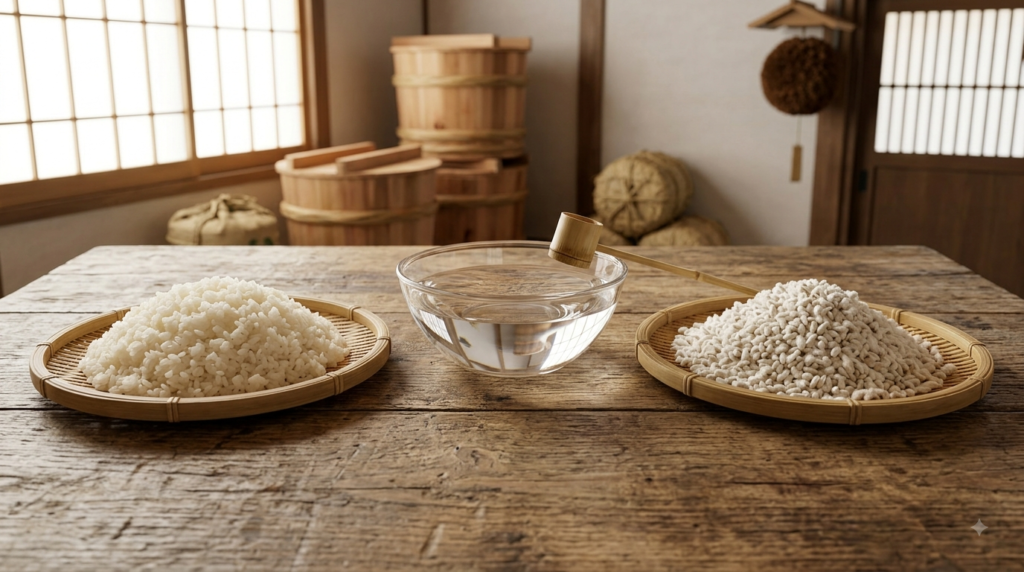
The Japanese beverage sake is an alcoholic drink made from just three things: rice, water and koji, which is a mold grown on steamed rice . Despite being called rice wine, it is brewed more like beer, because the rice starch must first be turned into sugar before fermentation can happen.
What makes it unique is a process called multiple parallel fermentation. The starch breaks down into sugar at the same time that yeast turns sugar into alcohol, all in the same tank. This technique is found in no other drink and produces about fourteen to sixteen percent alcohol.
In Japan, the word sake simply means any alcoholic drink. What we call sake is properly known as nihonshu, meaning Japanese alcohol. This matters because it shows how central this drink is to Japanese culture.
7 Essential Facts About the Japanese Beverage Sake
Now that you know what the Japanese beverage sake is, let us look at seven facts that reveal why this drink deserves more attention than it usually gets. These facts cover everything from how it is made to how it is served and they will give you a solid foundation for understanding and enjoying sake.
Sake Is Brewed, Not Distilled
The biggest misconception about Japanese beverage sake is that it is a spirit. It is not. Sake is brewed, meaning it goes through fermentation, not distillation. The alcohol comes naturally from yeast converting sugar into alcohol, just like in beer.
The difference is that sake uses a more complex brewing method. In wine, grapes already contain sugar, so yeast can act directly. In sake, rice is mostly starch, so something must first convert that starch into sugar before yeast can do its job. That extra step is what makes sake brewing unique.
Koji Mold Is the Secret Ingredient
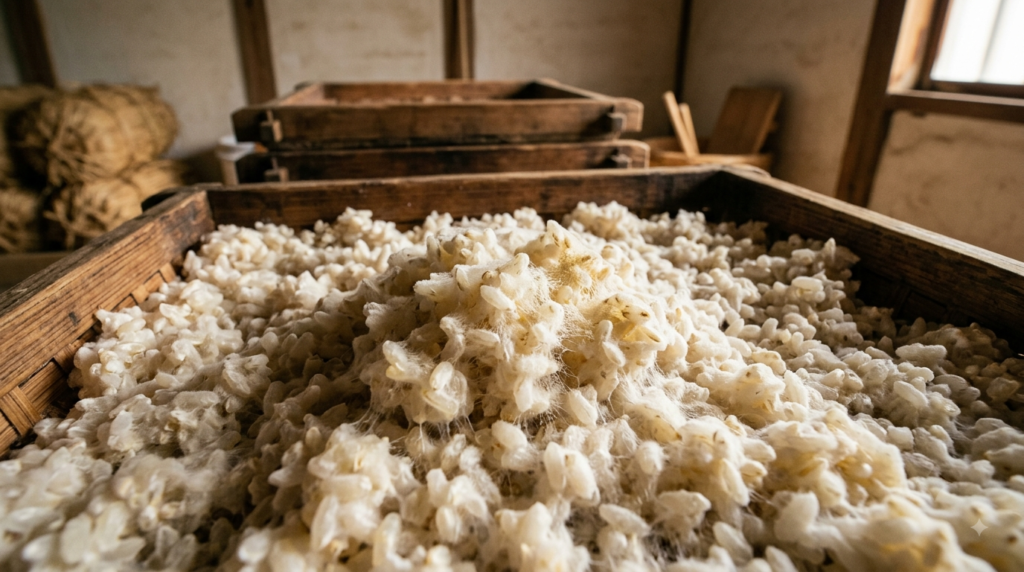
If sake has a magic ingredient, it is koji. Koji is a mold called Aspergillus oryzae, grown on steamed rice. It produces enzymes that break down rice starch into glucose, which yeast then turns into alcohol. Without koji, there would be no sugar and without sugar, there would be no sake.
Koji does more than just make sugar. It also produces protease enzymes that create amino acids and peptides, giving sake its umami depth. Scientists have found that koji mold can produce over one hundred kinds of enzymes, shaping flavor in ways still being studied .
Rice Polishing Determines Quality
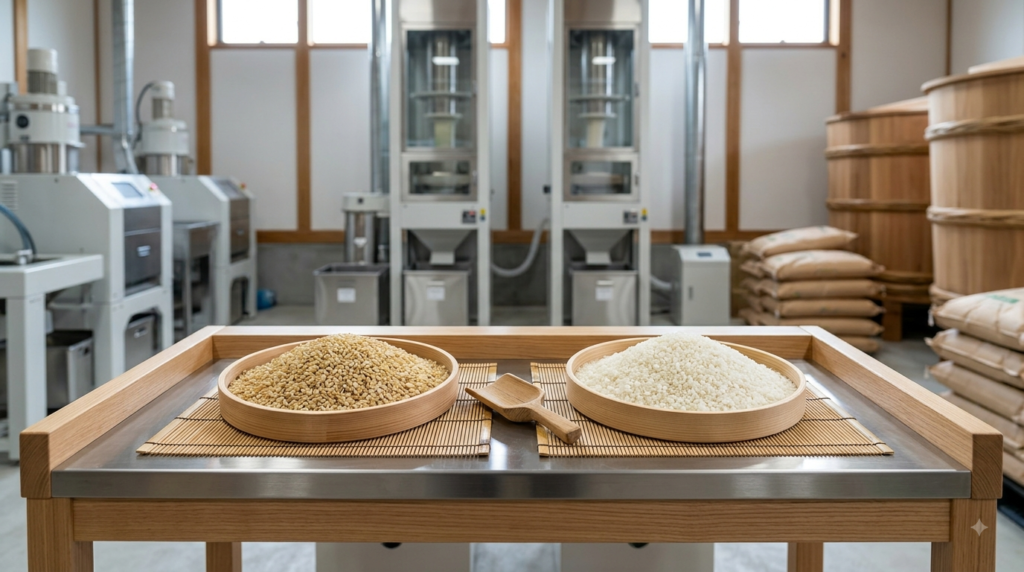
The Japanese beverage sake is graded largely by how much of the rice grain is milled away before brewing. The outer layer of rice contains proteins and fats that can make sake taste rough, so polishing it off produces cleaner, more refined flavor. This polishing rate is called seimaibuai.
At the top sits daiginjo, requiring rice polished to fifty percent or less of its original weight. Ginjo requires sixty percent or less, and honjozo requires seventy percent or less. More polishing means more labor, more refined taste and a higher price tag.
Junmai and Ginjo Are the Two Main Families
The Japanese beverage sake splits into two main families. Junmai sake is made with only rice, water and koji, with no added alcohol. It tends to be rich and full bodied with rice driven umami. The other family adds a small amount of distilled alcohol to enhance aroma.
Ginjo types are known for fruity, floral aromas like apple, melon, or banana, produced through slow, low temperature fermentation . Junmai is earthy and savory, while ginjo is light and aromatic. Each family offers a distinctly different drinking experience.
Sake Can Be Served Hot or Cold
One of the most remarkable things about Japanese beverage sake is its temperature range. Sake can be served anywhere from five degrees to over fifty degrees Celsius and each temperature brings out different flavors. This flexibility is unmatched by wine or beer.
Cold sake highlights delicate aromas and suits ginjo types. Warm sake amplifies sweetness and umami, making it ideal for junmai and honjozo. Japanese culture even names specific warm temperatures, like nuru-kan at forty degrees and atsukan at fifty degrees.
A common myth is that hot sake means cheap sake. This is false. Sake has been warmed for centuries and premium junmai can be excellent when heated . The misconception comes from restaurants using heat to mask inferior products.
Sake Has Over a Thousand Years of History
The story of the Japanese beverage sake begins about two thousand five hundred years ago, when rice cultivation arrived in Japan from China. Rice based drinks were being made as far back as the Yayoi period, roughly three hundred BC to two hundred fifty AD.
The earliest written records of sake date to the third century, and by the Nara period starting in 710, a special court office produced sake for the emperor. Temples and shrines later took over brewing, refining techniques over centuries.
A major breakthrough was pasteurization, called hiire, invented in Japan long before Louis Pasteur’s work in Europe . During World War Two, rice shortages led brewers to add distilled alcohol to increase yield, a practice that became common and shaped modern sake.
The Sake Industry Is Declining but Evolving
The Japanese beverage sake industry faces real challenges. Consumption peaked at about one point seven million kiloliters in 1973 but fell to roughly four hundred twenty two thousand kiloliters by 2022, a drop of over seventy five percent. Fewer breweries and aging populations add to the pressure.
The number of breweries shrank from about four thousand in the 1950s to around one thousand five hundred in 2022, with only roughly eleven hundred still operating. But premium varieties like junmai ginjo are holding steady and exports are growing as global interest rises.
In 2024, traditional sake brewing was inscribed as a UNESCO Intangible Cultural Heritage, a milestone that may further boost appreciation worldwide. The industry is shrinking but also adapting, with growing international demand offering hope.
How the Japanese Beverage Sake Is Brewed
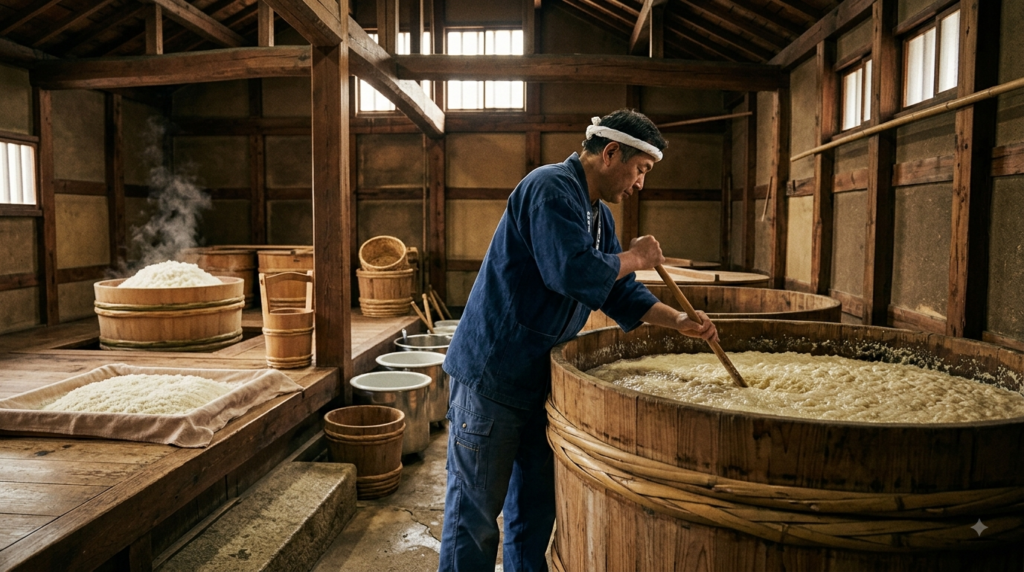
The brewing process starts with milling the rice to remove its outer layer, which contains proteins and fats that can make sake taste rough . The rice is then washed, soaked to absorb about thirty percent of its weight in water, and steamed for roughly an hour.
Next comes making the koji. Steamed rice is sprinkled with koji mold spores and cultured for about forty four hours . The mold grows into the rice, producing the enzymes needed to convert starch into sugar. This step is so important that brewers say koji making comes first in sake production.
A yeast starter called shubo is then prepared by mixing koji, steamed rice, and water with yeast. This starter builds a strong yeast population before the main fermentation begins. The yeast starter ensures fermentation starts cleanly and prevents unwanted bacteria from taking over.
The main fermentation uses a three step method called sandan jikomi. Steamed rice, koji, and water are added in stages over several days. This gradual buildup balances yeast growth and produces enough alcohol to prevent contamination, with temperatures kept between eight and eighteen degrees Celsius.
After fermentation, the mash is pressed to separate liquid from solids, pasteurized and usually diluted with water to about fifteen percent alcohol before bottling. Some sake skips dilution for full strength, and some skips pasteurization entirely, creating styles with distinctly different characters.
How to Serve and Enjoy the Japanese Beverage Sake
Choosing the Right Temperature
Cold sake, served between five and fifteen degrees, highlights delicate aromas and works well for ginjo and daiginjo. Room temperature, around twenty degrees, suits most junmai. Warming sake to forty or fifty degrees brings out sweetness and umami.
The key is matching the sake type to the temperature. Junmai and honjozo shine warm because their amino acids deepen with heat. Ginjo types lose their fruity fragrance when heated, so keep them chilled. When unsure, check the bottle label for a recommended range.
Picking the Right Vessel and Food
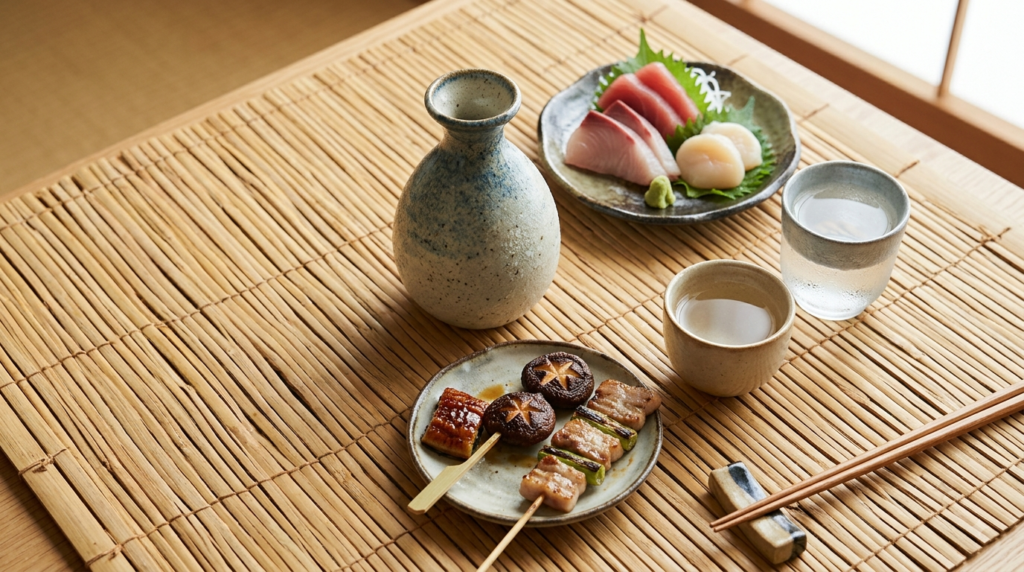
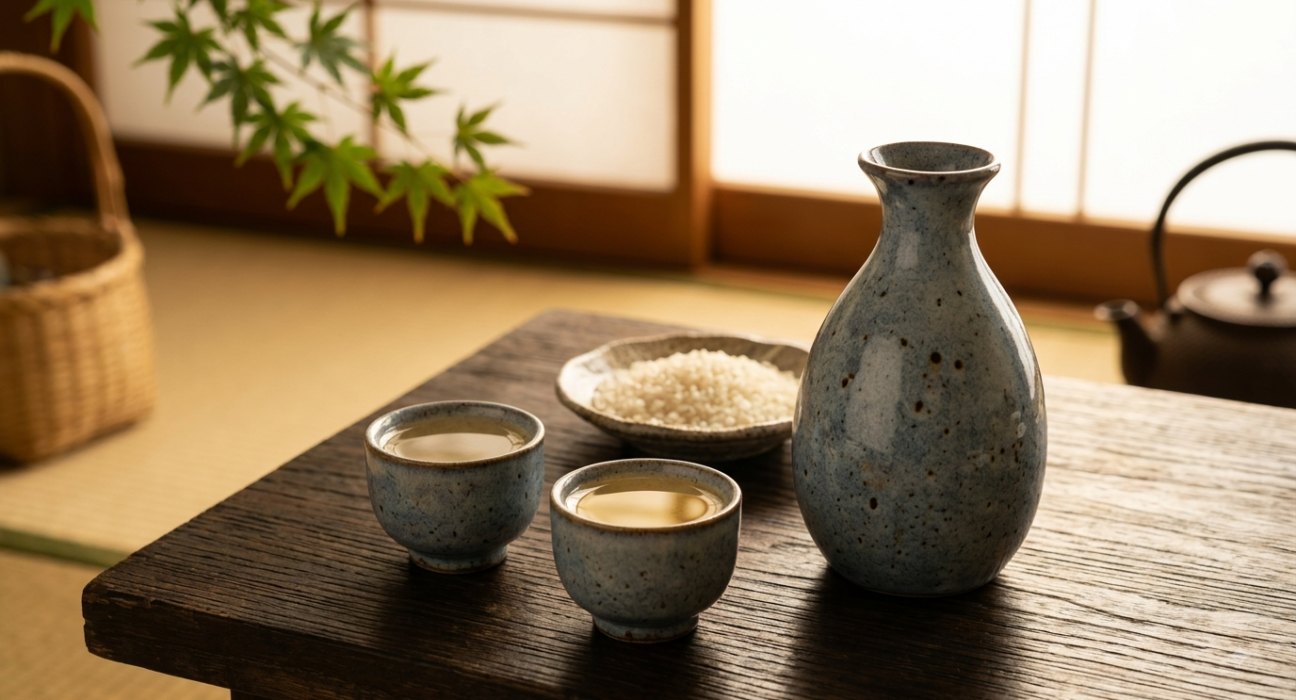
Sake is served in small cups called ochoko and poured from a ceramic flask called a tokkuri . Chilled sake often goes in glass or porcelain, while warm sake suits ceramic vessels that hold heat. The vessel subtly shapes how you smell and taste the drink.
Food pairing is flexible. Junmai pairs well with grilled meats and savory dishes, while ginjo suits lighter dishes like sashimi and steamed fish. Sake’s umami bridges flavors that wine sometimes clashes with, making it a versatile companion at the table.
Conclusion
The Japanese beverage sake is a drink of remarkable depth, shaped by centuries of tradition, a unique brewing process and a living culture that keeps evolving. From the humblest everyday brew to the most polished daiginjo, every bottle carries the work of farmers, brewers and microorganisms together.
Understanding sake means appreciating koji mold and rice polishing, temperature names and brewing seasons, and the balance between old tradition and new change. Whether served icy cold or piping hot, sake rewards curiosity with a drinking experience found nowhere else.
If you have never explored the Japanese beverage sake beyond a restaurant pour, try a junmai and a ginjo at different temperatures and taste the difference yourself. This drink has spent two millennia earning its complexity, and it deserves your attention.
FAQ’s
Is sake a wine, beer or spirit?
Sake is brewed like beer but has an alcohol content closer to wine. It uses a unique process where starch turns to sugar and sugar to alcohol at the same time. It is never distilled, so it is not a spirit.
What does sake taste like?
It depends on the grade. Junmai is rich, earthy, and full-bodied with rice umami, while ginjo is delicate, fruity, and aromatic with notes of apple or melon. Serving temperature also changes the flavor of the same sake.
Should sake be served hot or cold?
Both are correct. Ginjo and daiginjo are best chilled to keep their fragrance, while junmai and honjozo can be warmed to bring out sweetness and umami . There is no single right answer and personal preference matters.
What is the difference between junmai and ginjo?
Junmai is made with only rice, water, and koji, with no added alcohol and tends to be full bodied. Ginjo is made with highly polished rice and may include a small amount of added alcohol, giving it a lighter, fruitier character.
What is namazake?
Namazake is an unpasteurized sake that skips heat treatment, giving it a fresh, lively flavor. Because it contains active enzymes, it must be refrigerated and consumed quickly. It is especially popular in spring when new brews appear.
How long does sake last after opening?
Once opened, sake should be refrigerated and consumed within a few weeks. Pasteurized sake lasts longer than namazake, which degrades quickly. Unopened sake should be stored cool, upright, and away from light .
Is hot sake always low quality?
No, this is a myth. Sake has been warmed for centuries, and premium junmai and honjozo can be excellent when heated. The idea that hot sake means cheap sake comes from restaurants using heat to hide bad product.
What rice is used to make sake?
Special sake rice strains are grown for brewing, with about one hundred twenty six varieties registered as of 2020. Yamadanishiki is the most popular, making up about thirty six percent of sake rice, followed by Gohyakumangoku at roughly twenty percent.