
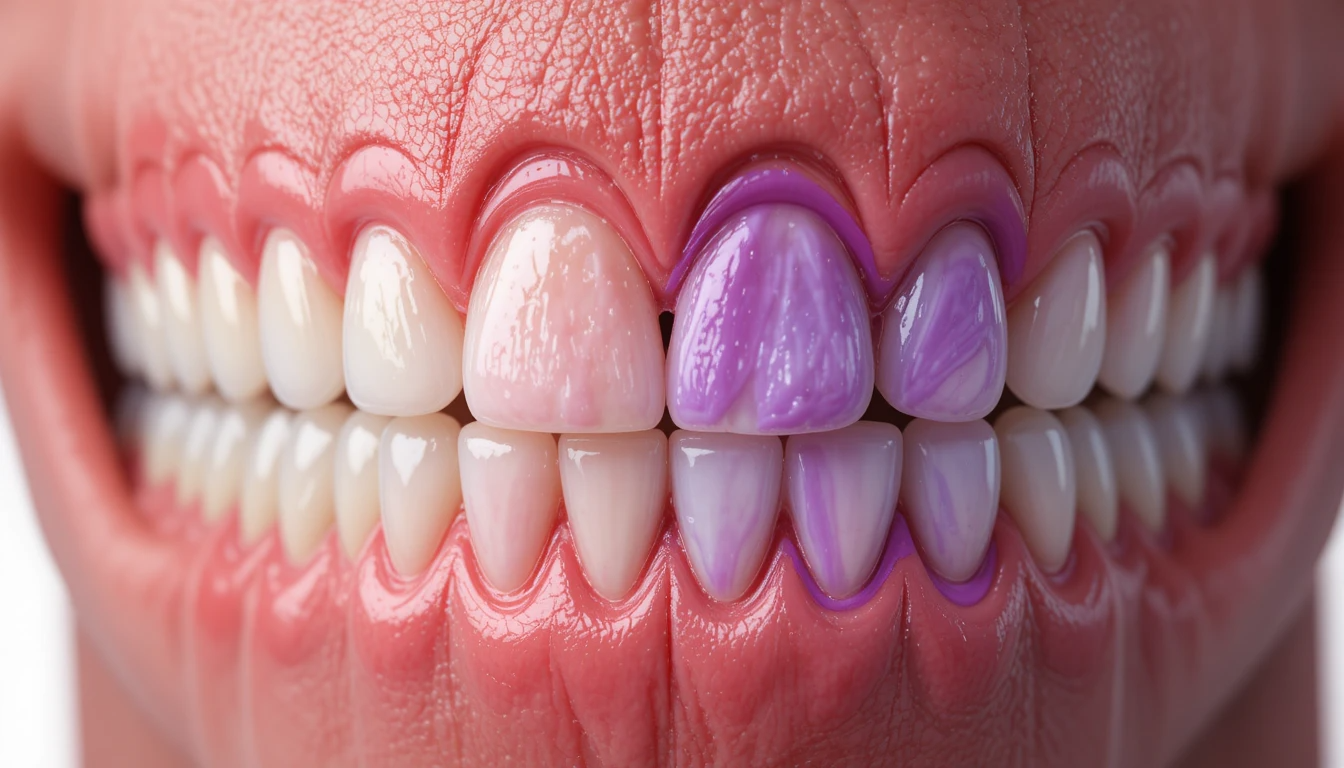
Noticing purple colored gums for the first time can be concerning, especially if you have always associated healthy gums with a bright pink color. While a sudden change in gum color should not be ignored, it does not always mean something is seriously wrong. In many cases, darker gums are simply the result of natural melanin pigmentation, while in others, they may indicate bruising, gum disease, poor circulation or another underlying health condition.
In this guide, we will explore the most common and less common reasons why purple colored gums appear, explain how dentists determine the underlying cause, discuss treatment options and help you understand when it is time to seek professional care.
What Are Purple Colored Gums?
Purple colored gums refer to gum tissue that appears darker than the usual pink shade, ranging from a light violet tint to a deep bluish-purple or even almost black. This change may affect a small area around one tooth or extend across multiple sections of the mouth.
Not every case of purple colored gums is a sign of disease. Many people naturally have darker gum tissue because of melanin, the pigment responsible for skin, hair and eye color. Individuals with higher levels of melanin often have brown or dark purple colored gums that are completely healthy and have looked that way for years.
On the other hand, if your gums suddenly change color, especially when accompanied by pain, swelling, bleeding or sores, the discoloration could signal an underlying dental or medical condition. Inflammation, trauma, infections, certain medications and circulatory problems are all possible causes.
One simple question can help guide your thinking: Have your gums always looked this way, or is this a new change?
A lifelong, even pigmentation is generally less concerning than a sudden or patchy discoloration that develops over days or weeks.
Why Gum Color Changes
The color of your gums depends on several factors working together. Understanding them makes it easier to see why gums can appear purple in some situations.
Natural Pigmentation
Just as skin tones vary from person to person, gum color does too. Melanin-producing cells in the gums can create shades ranging from light pink to dark brown or purplish. This is known as physiologic pigmentation and it is considered a normal variation rather than a disease.
Blood Flow
Healthy gums contain a rich network of tiny blood vessels. If blood flow changes because of injury, inflammation or reduced oxygen levels, the gums may temporarily take on a bluish or purple appearance.
Inflammation
When plaque and bacteria build up around the teeth, the body’s immune system responds by increasing blood flow to the area. This can make gums appear darker red or purple, especially in the early stages of gum disease.
Trauma
A bump to the mouth, aggressive brushing, hard foods or even certain dental procedures can bruise the gums. Much like a bruise on your arm, trapped blood beneath the surface may give the tissue a purple or blue color until it heals.
Medications and Lifestyle Habits
Some medications can increase gum pigmentation over time. Smoking and tobacco use may also darken gum tissue by stimulating melanin production while reducing healthy blood circulation.
The key fact is that gum color alone rarely tells the whole story. Dentists evaluate color changes alongside texture, bleeding, swelling, pain and your overall medical history to determine what is really going on.
What Do Healthy Gums Look Like?
Healthy gums are not defined by color alone. Dentists also look at their texture, firmness, and how well they fit around the teeth.
Firm, moist gums that do not bleed during brushing or flossing are generally considered healthy, whether they are naturally pink, brown or slightly darker because of melanin pigmentation. On the other hand, gums that become swollen, tender or start changing color over a short period deserve closer attention.
| Healthy Gums | Purple Colored Gums |
| Pink, brown, or naturally dark depending on melanin | Purple, bluish, or unusually dark discoloration |
| Firm and tightly attached to teeth | May appear swollen or puffy |
| Moist and smooth | May feel tender or bleed easily |
| Stable color over time | Sudden color changes may indicate an underlying issue |
It is also worth remembering that healthy gums should not hurt. If the discoloration is accompanied by discomfort, bleeding or persistent swelling, the color change is more likely to be linked to an underlying dental problem than natural pigmentation.
Normal Gum Pigmentation vs. Purple Colored Gums
One of the biggest misconceptions about gum health is that every case of dark or purple colored gums indicates disease. In reality, there is a significant difference between natural pigmentation and abnormal discoloration.
Natural pigmentation develops because of melanin, the same pigment responsible for skin and hair color. It usually appears evenly across the gums, causes no discomfort, and remains unchanged over time. People with naturally darker gums do not require treatment because the tissue is healthy.
Abnormal discoloration, on the other hand, often develops suddenly or changes over time. It may appear alongside swelling, bleeding, tenderness, ulcers, or persistent bad breath. These additional symptoms are often more important than the color itself because they help identify whether an underlying condition is affecting your oral health.
What Causes Purple Colored Gums?
The most important thing to know about purple colored gums is that there is not a single explanation. In some people, the color is completely normal and has been present since childhood. In others, it can develop suddenly because of an injury, poor oral hygiene, medication, chronic stress or an underlying medical condition.
Instead of assuming the worst, it is helpful to understand the most common causes and how they differ. The table below provides a quick overview before we explore each cause in more detail.
Natural Melanin Pigmentation
One of the most common reasons for purple colored gums is also the least concerning. Melanin, the pigment responsible for skin and hair color, can also affect the gums. People with naturally higher melanin levels often have brown, dark brown, or purple colored gums that are completely healthy.
Natural pigmentation usually has a few clear characteristics. The color is evenly distributed, appears on both sides of the mouth, causes no discomfort and remains unchanged for years. If your gums have always looked this way and your dentist has confirmed they are healthy, there is generally no reason for concern.
Gum Bruising After an Injury
Just like the skin, gum tissue can bruise after an injury. Accidentally biting your cheek or gums, eating hard foods, brushing too aggressively or undergoing dental treatment can cause small blood vessels beneath the gum surface to break. As the trapped blood heals, the area may appear purple or bluish.
A gum bruise is usually limited to one area and gradually fades over one to two weeks. Mild tenderness is common, but severe pain or increasing swelling should be checked by a dentist.
Gingivitis
Gingivitis is the earliest stage of gum disease and one of the leading causes of gum discoloration. It develops when plaque, a sticky film of bacteria, accumulates around the teeth and irritates the gums.
Instead of looking firm and healthy, the gums may become swollen, bleed during brushing and take on a darker red or become purple colored Gums. The encouraging news is that gingivitis is reversible. Professional cleaning combined with consistent brushing and flossing can often restore gum health within a few weeks.
Periodontitis
If gingivitis is left untreated, it can progress to periodontitis, a more advanced form of gum disease. At this stage, bacteria begin damaging the tissues and bone that support your teeth.
Purple colored gums caused by periodontitis are often accompanied by persistent bad breath, gum recession, loose teeth and discomfort while chewing. Unlike gingivitis, periodontitis cannot be reversed with home care alone and usually requires professional periodontal treatment.
Smoking and Tobacco Use
Smoking affects the gums in several ways. Over time, tobacco stimulates melanin production, leading to a condition known as smoker’s melanosis, which can darken the gums. Smoking also reduces blood flow, weakens the immune system and slows healing, increasing the risk of gum disease.
Many people notice gradual improvement in gum color after quitting smoking, although the process can take several months.
Vitamin Deficiencies
Nutrients play an important role in keeping gum tissue healthy. Deficiencies in certain vitamins and minerals can make gums more vulnerable to inflammation and discoloration.
- Vitamin C deficiency is particularly well known for causing swollen, bleeding gums and delayed healing.
- Low vitamin B12 levels may contribute to changes in the appearance of the gums and mouth.
- Iron deficiency can indirectly affect gum health by reducing the body’s ability to repair damaged tissue.
Eating a balanced diet rich in fruits, vegetables, lean protein and whole grains supports healthier gums and overall oral health.
Medication-Induced Gum Pigmentation
Some medications can gradually darken the gums without causing pain. Certain antibiotics, antimalarial drugs, chemotherapy medications and drugs used to manage chronic conditions have been associated with changes in gum pigmentation.
If you notice gum discoloration after starting a new medication, do not stop taking it on your own. Instead, discuss the change with your dentist or healthcare provider to determine whether it is a known side effect or if further evaluation is needed.
Reduced Blood Oxygen or Cyanosis
In some cases, purple gums are not caused by a dental problem at all. Reduced oxygen levels in the blood, a condition known as cyanosis, can cause the gums, lips and other tissues to appear bluish-purple.
This is more likely to occur in people with serious heart or lung conditions and is often accompanied by symptoms such as shortness of breath, dizziness, chest discomfort or blue lips. If these symptoms develop suddenly, seek emergency medical care immediately.
Rare but Serious Conditions
Although uncommon, some medical conditions can also cause persistent purple or dark patches on the gums.
For example, oral melanoma is a rare cancer that develops in pigment producing cells. It may appear as a dark patch that changes in size, shape, or color over time. Other uncommon causes include vascular malformations, Kaposi sarcoma and Addison’s disease.
These conditions are far less common than gum disease or natural pigmentation, but any unexplained lesion that does not heal or continues to change should be examined promptly by a dental professional.
Symptoms That May Accompany Purple Colored Gums
The symptoms you experience often depend on the underlying cause. Mild cases may involve only temporary discoloration, while more serious conditions usually produce additional warning signs.A single symptom does not confirm a diagnosis, but a combination of symptoms can help narrow down the possible causes.
| Symptom | What It Could Indicate |
| Mild tenderness | Minor injury or bruising |
| Bleeding while brushing | Gingivitis or early gum disease |
| Swollen gums | Inflammation or infection |
| Persistent bad breath | Periodontitis or bacterial buildup |
| Gum recession | Advanced gum disease |
| Loose teeth | Severe periodontal disease |
| White or dark ulcers | Infection or, rarely, oral cancer |
| Fever with facial swelling | Serious dental infection requiring urgent care |
| Blue lips and breathing difficulty | Reduced blood oxygen, a medical emergency |
How Dentists Diagnose Purple Colored Gums
Diagnosing purple colored gums involves much more than looking at their color. During your appointment, the dentist will begin by asking about your symptoms, medical history, medications, smoking habits and any recent injuries or dental procedures.
Next, they will carefully examine your gums for swelling, bleeding, plaque buildup, recession, ulcers or changes in texture. They may also measure the depth of the gum pockets around your teeth to determine whether gum disease is present.
If the cause is not immediately clear, additional tests may be recommended. Dental X-rays can reveal bone loss caused by advanced periodontal disease, while blood tests may help identify nutritional deficiencies or other medical conditions. In rare cases, a small biopsy may be needed to examine an unusual pigmented lesion.
Most cases, however, can be diagnosed during a routine dental examination without the need for complex testing.
Treatment for Purple Colored Gums
Because purple colored gums can have many different causes, treatment always focuses on the underlying problem rather than the color itself.
- If the discoloration is due to natural melanin pigmentation, no treatment is necessary because the gums are healthy.
- Likewise, a minor bruise caused by accidental trauma usually heals on its own within a week or two with gentle oral care.
- When gingivitis is responsible, treatment typically involves a professional dental cleaning followed by improved brushing and flossing habits at home. Removing plaque early can often reverse the condition before permanent damage occurs.
- Periodontitis requires more extensive treatment because the infection affects the tissues supporting the teeth. Deep cleaning procedures, known as scaling and root planing, are commonly performed to remove plaque and tartar below the gumline. More advanced cases may require antibiotics or periodontal surgery.
- If the discoloration is linked to a vitamin deficiency, medication or another medical condition, treating the underlying cause usually leads to healthier gums over time.
Conclusion
Purple colored gums do not always indicate a serious health problem, but they should never be ignored without considering the bigger picture. For many people, darker gums are simply a natural result of melanin pigmentation and require no treatment at all. In other cases, discoloration may be linked to bruising, gum disease, smoking, nutritional deficiencies, medication side effects or, in rare instances, more serious medical conditions.
The most important factor is not the color itself, it is whether the color has changed and whether it is accompanied by symptoms such as bleeding, swelling, pain, persistent bad breath or loose teeth. Paying attention to these warning signs can help identify problems early, when they are often easier to treat.
If you are unsure why your gums have turned purple, do not rely on self-diagnosis or internet photos alone. A professional dental examination is the safest way to determine the cause and receive the right treatment if needed. Maintaining good oral hygiene, eating a balanced diet, avoiding tobacco and keeping up with regular dental checkups remain the best ways to protect your gums and maintain long-term oral health.
FAQ’s
Are purple colored gums always a sign of disease?
No. Many people naturally have darker gums because of increased melanin pigmentation. However, sudden or changing discoloration should be evaluated.
Can purple colored gums return to normal?
Yes, if the cause is temporary, such as bruising or gingivitis. Recovery depends on treating the underlying condition.
Can stress cause purple colored gums?
Stress does not directly change gum color, but it may contribute to poorer oral hygiene and increased inflammation, which can worsen gum disease.
Are purple colored gums normal after a tooth extraction?
A small amount of purple discoloration around the extraction site is common because of bruising. It should gradually improve over the following days.
Does smoking permanently darken gums?
Not always. In many people, a smoker’s melanosis fades gradually after quitting, although the timeline varies.
What vitamin deficiency affects gum color?
Vitamin C deficiency is most strongly associated with unhealthy gums, while vitamin B12 deficiency may also contribute to changes in oral tissues.
Can children develop purple colored gums?
Yes. Teething, minor injuries and eruption cysts can temporarily cause purple areas in a child’s gums.