Many people ask can stress cause hemorrhoids especially when digestive issues appear during stressful periods. Hemorrhoids are swollen veins in the lower rectum or anus that can cause pain itching and bleeding.
While stress does not directly create hemorrhoids it can contribute to habits and physical changes that increase the risk. Stress may affect digestion lead to constipation or cause people to sit for long periods all of which can put pressure on rectal veins.
Understanding the connection between stress lifestyle factors and digestive health can help prevent hemorrhoids and improve overall well-being.
Can Stress Cause Hemorrhoids?
Many people wonder whether stress can lead to hemorrhoids. While stress does not directly cause hemorrhoids it can influence several lifestyle and digestive factors that increase the risk. When someone experiences high stress levels their body may react with digestive problems unhealthy habits or reduced physical activity. These factors can contribute to the development or worsening of hemorrhoid symptoms.
What Medical Experts Say About Stress and Hemorrhoids
Medical experts explain that hemorrhoids develop when the veins around the rectum or anus become swollen due to increased pressure. Stress alone does not create this pressure but it can indirectly lead to conditions such as constipation or poor digestion. Doctors often note that stress-related habits like unhealthy eating or sitting for long periods may increase the chances of hemorrhoid flare-ups.
How Stress Affects Digestive Health and Blood Vessels
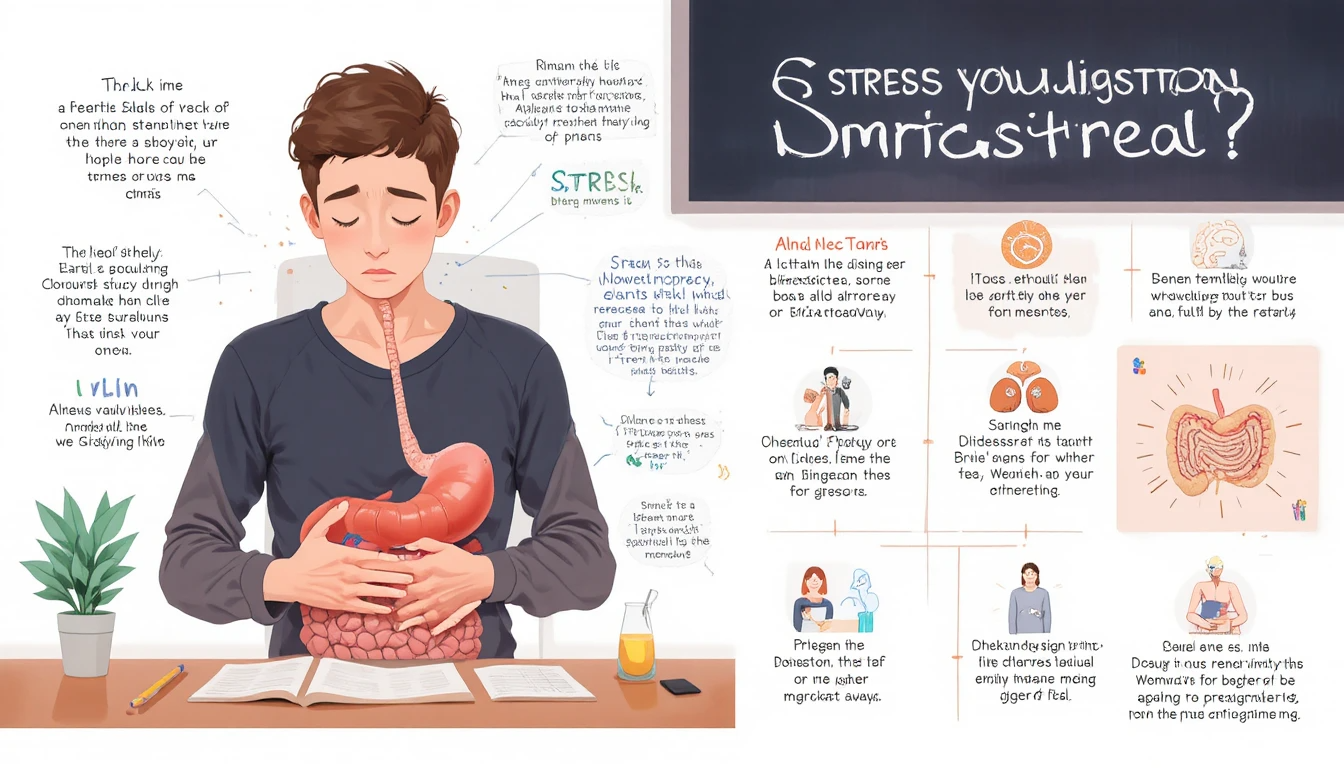
Stress can significantly affect the digestive system. When the body experiences stress it releases hormones such as cortisol that influence gut function. These hormonal changes may slow digestion or disrupt normal bowel movements. Over time this imbalance can cause constipation or irregular bowel habits, which place extra strain on rectal veins.
Why Stress May Indirectly Trigger Hemorrhoid Symptoms
Stress can indirectly trigger hemorrhoid symptoms by encouraging behaviors that increase pressure in the lower rectum. For example, people under stress may ignore the urge to use the bathroom, eat low-fiber foods, or spend long hours sitting. These habits can lead to straining during bowel movements, which is one of the main causes of hemorrhoids.
What Are Hemorrhoids?
Hemorrhoids are swollen veins located in the lower rectum or around the anus. They are a common health condition that affects millions of people worldwide. Hemorrhoids can cause discomfort itching and sometimes bleeding especially during bowel movements.
Definition and Types of Hemorrhoids
There are two main types of hemorrhoids: internal and external. Internal hemorrhoids develop inside the rectum and are usually painless but may cause bleeding. External hemorrhoids form under the skin around the anus and can cause pain swelling and irritation. Both types occur due to increased pressure on the rectal veins.
Common Symptoms and Warning Signs
The symptoms of hemorrhoids can vary depending on their severity. Common signs include itching or irritation around the anus pain during bowel movements swelling near the anal area and small amounts of bright red blood on toilet paper. Some people may also experience a lump or discomfort while sitting.
Internal Hemorrhoids
Internal hemorrhoids develop inside the rectum, where there are fewer pain-sensitive nerves. Because of their location, they often go unnoticed until they cause symptoms such as painless rectal bleeding during bowel movements or a feeling that the bowel has not completely emptied. In some cases, internal hemorrhoids can protrude through the anal opening, a condition known as prolapse, which may lead to discomfort or irritation if left untreated.
External Hemorrhoids
External hemorrhoids form beneath the skin surrounding the anus and are generally easier to notice because they can cause pain, itching, swelling, and irritation. Sitting for long periods, straining during bowel movements, or passing hard stools may worsen these symptoms. Occasionally, a blood clot can develop inside an external hemorrhoid, creating a thrombosed hemorrhoid that is often more painful and may require medical evaluation if symptoms are severe or persistent.
Who Is Most at Risk of Developing Hemorrhoids
Several factors can increase the risk of developing hemorrhoids. These include chronic constipation, prolonged sitting pregnancy obesity and a low-fiber diet. Stress may also contribute indirectly because it can worsen digestive problems and unhealthy lifestyle habits.
How Stress Can Affect the Digestive System
Stress can have a powerful impact on the digestive system. When the body experiences emotional or mental pressure, it may disrupt normal digestive processes. This can lead to symptoms such as stomach discomfort, irregular bowel movements, or constipation.
Why Stress Can Lead to Constipation or Straining
One of the most common digestive effects of stress is constipation. When digestion slows down, stools may become hard and difficult to pass. This forces people to strain during bowel movements, which increases pressure on the veins in the rectum and may lead to hemorrhoids.
How Stress Hormones Impact Gut Function
Stress hormones such as cortisol and adrenaline affect how the digestive system works. These hormones can slow intestinal movement and change how the body absorbs nutrients. Over time, this imbalance may cause digestive discomfort and increase the likelihood of bowel problems.
The Connection Between Stress Diet and Bowel Movements
Stress often influences eating habits. Some people eat less fiber or consume more processed foods during stressful periods. A poor diet combined with reduced water intake can lead to irregular bowel movements and constipation, both of which contribute to hemorrhoid development.
Why Lifestyle Factors Linked to Stress Increase Hemorrhoid Risk
Stress can affect daily routines and lifestyle choices. These changes may increase the risk of developing hemorrhoids, especially if they involve unhealthy habits or reduced physical activity.
How Poor Diet and Low Fiber Intake Contribute
A diet low in fiber can make stools harder and more difficult to pass. Fiber helps keep bowel movements regular and reduces the need for straining. When people under stress choose processed foods instead of fiber-rich options like fruits and vegetables, their risk of hemorrhoids may increase.
Why Sitting for Long Periods Can Worsen Symptoms
Stressful jobs or long work hours often require sitting for extended periods. Sitting places additional pressure on the veins around the anus, which can worsen existing hemorrhoids or increase the chances of developing them.
How Lack of Exercise Affects Digestive Health
Regular physical activity supports healthy digestion by stimulating bowel movement and improving circulation. When stress leads to inactivity, digestion may slow down, making constipation and hemorrhoids more likely.
Can Anxiety Make Hemorrhoids Worse?
Although anxiety does not directly cause hemorrhoids, it can make existing symptoms feel more noticeable and may contribute to behaviors that increase the risk of flare-ups. Anxiety often affects the body’s stress response, digestive system, and daily habits, all of which can influence hemorrhoid symptoms over time.
How Anxiety Affects Digestion
The brain and digestive system communicate through the gut-brain axis. During periods of anxiety, the body releases stress hormones that can change how the digestive tract functions. Some people experience constipation, while others develop diarrhea or irregular bowel movements. Both conditions can place additional strain on the veins in the rectal area and increase irritation.
Anxiety May Lead to Constipation
People experiencing anxiety may unintentionally delay bowel movements, drink less water, eat fewer fiber-rich foods, or become less physically active. These changes can contribute to harder stools and increased straining during bowel movements, which are among the most common factors associated with hemorrhoid development and flare-ups.
Anxiety Can Increase Symptom Awareness
Anxiety may also make people more aware of physical sensations. Mild itching, pressure, or discomfort from hemorrhoids can feel more intense when someone is already stressed or anxious. While the hemorrhoids themselves may not have worsened, the symptoms can become more noticeable and distressing.
Managing Anxiety May Help Reduce Flare-Ups
Reducing anxiety can support better digestive health and encourage habits that lower the risk of hemorrhoid irritation. Regular physical activity, adequate hydration, a fiber-rich diet, consistent sleep, and stress-management techniques such as deep breathing or mindfulness may help improve overall well-being. However, persistent hemorrhoid symptoms or severe pain should always be evaluated by a healthcare professional to rule out other conditions.
Managing Daily Habits That Support Digestive Health
Stress can influence many aspects of your digestive health, making it important to adopt healthy daily habits alongside proper treatment. A balanced diet, regular physical activity, and adequate rest can all contribute to better digestive function and overall well-being. If you’re interested in learning how traditional foods fit into a healthy lifestyle, our guide to Ceıvır explores its culinary background and nutritional context.
Preventing hemorrhoids often involves managing stress and improving daily habits. By making simple lifestyle changes, many people can reduce their risk and improve overall digestive health.
Stress Management Techniques That Improve Gut Health
Stress management techniques such as meditation deep breathing yoga and regular exercise can help balance the body’s stress response. Reducing stress can improve digestion and support healthier bowel movements.
Dietary Changes That Support Healthy Digestion
Eating a balanced diet rich in fiber is essential for preventing hemorrhoids. Foods like whole grains fruits vegetables and legumes help soften stools and promote regular bowel movements. Drinking plenty of water also supports healthy digestion.
Daily Habits That Reduce Pressure on Rectal Veins
Simple habits can reduce pressure on rectal veins. These include avoiding straining during bowel movements, taking breaks from sitting, staying physically active, and responding quickly to the urge to use the bathroom.
When to See a Doctor for Hemorrhoid Symptoms
While many hemorrhoids improve with lifestyle changes and home treatments, some cases require medical attention. Knowing when to seek help can prevent complications.
Warning Signs That Require Medical Attention
Persistent bleeding, severe pain, or swelling around the anus may indicate a more serious condition. If symptoms last longer than a week or worsen over time, it is important to consult a healthcare professional.
How Doctors Diagnose and Treat Hemorrhoids
Doctors typically diagnose hemorrhoids through a physical examination and medical history. In some cases, additional tests may be needed. Treatment options can include topical medications lifestyle recommendations, or minor medical procedures to reduce swelling.
Expert Tips for Long Term Prevention
Healthcare professionals often recommend maintaining a healthy diet staying physically active and managing stress effectively. These long-term habits can help prevent hemorrhoids and improve overall digestive health.
A Healthy Lifestyle Involves More Than Stress Management
Managing stress is just one part of maintaining good digestive health. Paying attention to your eating habits, hydration, and overall lifestyle can make a meaningful difference in how your body functions. If you’re curious about common dietary ingredients, our guide on is soy sauce vegan explains how everyday food choices can fit into different nutritional preferences.
Conclusion
Stress may not directly cause hemorrhoids but it can influence many factors that increase the risk of developing them. Digestive problems, constipation poor diet and prolonged sitting are common stress related habits that place pressure on rectal veins.
By managing stress maintaining a balanced diet, staying active and adopting healthy daily habits, people can reduce their chances of developing hemorrhoids and support better digestive health. If symptoms persist or become severe, seeking medical advice is the best way to ensure proper treatment and long-term prevention.
FAQs
Can stress directly cause hemorrhoids?
Stress does not directly cause hemorrhoids but it can lead to habits and digestive problems that increase the risk.
Why do hemorrhoids flare up during stressful periods?
Stress can worsen constipation poor diet and prolonged sitting all of which contribute to hemorrhoid flare-ups.
Managing stress drinking enough water and eating a fiber-rich diet can help prevent constipation.
Can relaxation and lifestyle changes reduce hemorrhoid symptoms?
Yes. Stress reduction exercise and healthy eating habits can improve digestion and reduce hemorrhoid symptoms.
What treatments help hemorrhoids caused by stress?
Treatments may include lifestyle changes over the counter creams warm baths and medical advice from a doctor if symptoms persist.