
Masgonzola is a modern creamy cheese blend that brings together the richness of mascarpone and the distinctive tang of gorgonzola into a single balanced culinary experience. It has gained attention in contemporary food culture because it offers the depth of blue cheese without the overwhelming sharpness that often divides opinion.
Instead of being intense or aggressive, masgonzola is smooth approachable and versatile making it suitable for both everyday cooking and gourmet presentations.
Quick Facts About Masgonzola
| Topic | Information |
|---|---|
| Type | Soft Italian cheese blend |
| Texture | Smooth and spreadable |
| Flavor | Creamy, tangy, and slightly salty |
| Main ingredients | Mascarpone and Gorgonzola |
| Origin | Inspired by northern Italian cuisine |
| Uses | Pasta, sauces, pizza, and salads |
| Storage | Refrigerated |
| Pairings | Honey, nuts, bread, and fruit |
What Is Masgonzola
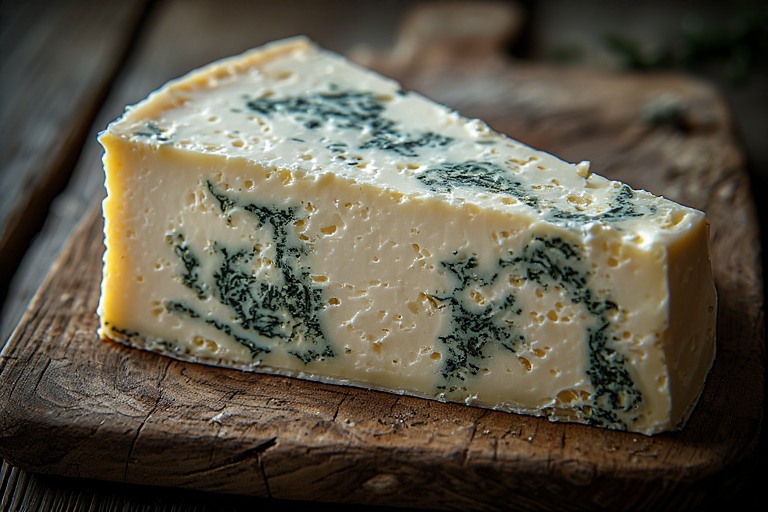
Masgonzola is best understood as a fusion-style cheese that combines two classic Italian dairy traditions into one unified product. The name itself reflects its composition blending mas from mascarpone and gonzola from gorgonzola. The result is a soft spreadable cheese that carries a dual personality the creamy sweetness of mascarpone and the subtle blue veining and tang of gorgonzola.
Unlike traditional blue cheeses that often have a strong and polarizing flavor profile it is designed to be more balanced and accessible. It sits in the middle ground between mild cream cheese and fully aged blue cheese offering a smoother introduction to blue cheese flavors for those who prefer a gentler taste experience.
It is not bound by strict traditional cheese regulations which allows producers to vary its exact texture and composition while maintaining the same core concept of creaminess and mild blue complexity.
Origins and Culinary Background
Masgonzola draws inspiration from long established Italian cheesemaking traditions particularly those of northern Italy where both mascarpone and gorgonzola originated. Gorgonzola itself is one of the most well known blue cheeses in the world traditionally produced in regions such as Lombardy and Piedmont. It exists in both mild and aged forms ranging from soft and creamy to sharp and crumbly depending on the maturation process.
Mascarpone on the other hand is a fresh cream cheese known for its rich buttery texture and high fat content. It is commonly used in desserts and creamy sauces adding smoothness rather than sharpness. Masgonzola emerged as a modern culinary interpretation that combines these two identities into a single product reflecting a broader trend in contemporary cuisine where chefs blend traditional ingredients to create more versatile and balanced flavors.
Rather than being a strictly historical cheese, masgonzola is best viewed as part of modern gourmet innovation developed to meet evolving consumer preferences for softer more adaptable flavor profiles.
Taste Texture and Sensory Experience
The defining characteristic of masgonzola is its layered sensory profile. The texture is exceptionally smooth and creamy due to the mascarpone base, making it easy to spread or melt. When eaten it delivers an immediate sense of richness and softness followed by a gentle emergence of tangy blue cheese notes from the gorgonzola component.
This progression of flavor is what makes it unique. It does not overwhelm the palate instead it unfolds gradually starting with buttery sweetness and ending with a mild earthy sharpness. The blue cheese element remains present but controlled offering complexity without intensity. This balance is what makes it particularly appealing to people who are not typically fans of strong blue cheeses but still want depth in their food.
Production Approach and Cheesemaking Style

It is typically produced using artisanal or semi artisanal methods that combine fresh dairy processing with controlled blue cheese development. The process begins with high quality cow’s milk which is carefully prepared to preserve its natural richness. In some cases cream is also incorporated to enhance the final texture and fat content.
The mascarpone element is created by gently heating cream and introducing an acid to thicken it into a dense smooth base. This forms the foundation of the cheese’s creamy structure. At the same time a mild blue cheese such as young gorgonzola is prepared using traditional culturing techniques that encourage the development of blue veining through controlled mold growth.
These two components are then combined either by layering or blending. In layered versions distinct sections of mascarpone and blue cheese remain visible creating a marbled appearance. In blended versions the two are fully integrated resulting in a uniform creamy cheese with subtle blue specks throughout.
The aging process is relatively short compared to stronger blue cheeses. This helps preserve the softness of the mascarpone while still allowing the gorgonzola component to develop its characteristic flavor. The result is a fresh yet mature cheese that maintains balance between creaminess and complexity.
Key Ingredients in Masgonzola
Masgonzola is appreciated for its rich flavor and smooth consistency, both of which come from the careful combination of several ingredients. Each component contributes something unique to the overall taste, texture, and nutritional profile of the cheese.
Mascarpone
Mascarpone is a soft Italian cream cheese known for its delicate texture and mild flavor. It gives smooth, buttery consistency and helps balance the stronger flavors found in aged cheeses.
Gorgonzola
Gorgonzola provides the bold and slightly tangy character that makes it distinctive. The aging process creates the characteristic blue veins and contributes to the cheese’s earthy aroma and creamy texture.
Cow’s Milk
High-quality cow’s milk serves as the foundation of Masgonzola. It supplies essential nutrients, including protein, calcium, and vitamins, while also contributing to the cheese’s rich and satisfying flavor.
Cream
Cream adds depth and enhances the velvety texture that many people associate with premium cheeses. It also creates a smoother consistency, making it suitable for spreads, sauces, and a variety of cooked dishes.
Salt
Salt plays an important role in flavor development while also helping preserve freshness during the production process. The amount of salt used influences both the taste and the maturation of the cheese.
Beneficial Bacterial Cultures
Special bacterial cultures contribute to the fermentation process that gives Masgonzola its unique taste and texture. These cultures help develop the complex flavors that become more pronounced as the cheese matures.
Together, these ingredients create the balance of creaminess, richness, and bold flavor that has contributed to Masgonzola’s growing popularity among cheese enthusiasts.
How Online Searches Turn Unfamiliar Names Into Trending Topics
The growing interest in Masgonzola shows how unfamiliar names can quickly become popular search topics. Whether the keyword refers to a person, brand, or digital concept, readers often look for reliable information to understand its background. A similar search trend can be seen with Claude Edward Elkins Jr., where curiosity has encouraged readers to explore the story behind the name.
Nutritional Profile and Dietary Value
Masgonzola is a rich energy dense food that provides a combination of protein fats and essential minerals. It contains high quality protein with a full amino acid profile making it useful for supporting muscle maintenance and general bodily function. Its fat content is primarily responsible for its creamy texture and satisfying mouthfeel while also contributing to satiety.
It is also a significant source of calcium and phosphorus two minerals essential for bone strength and structural health. These nutrients are naturally present in dairy and are more easily absorbed when consumed as part of whole foods like cheese. In addition masgonzola contains vitamin B12 and vitamin A both of which play important roles in energy metabolism and immune function.
Because it is a fermented dairy product masgonzola may contain beneficial bacterial cultures associated with traditional cheese aging processes. These cultures are part of what gives blue cheeses their characteristic flavor and can contribute to digestive variety within the diet.
At the same time like most cheeses it is naturally low in carbohydrates and contains minimal lactose due to fermentation making it easier to tolerate for some individuals with mild lactose sensitivity.
Culinary Uses and Kitchen Applications

One of the strongest qualities of masgonzola is its versatility in cooking. Its smooth texture allows it to melt evenly, making it ideal for sauces and warm dishes. When incorporated into pasta it creates a rich and creamy coating without the need for additional thickeners. It can also be stirred into risottos at the final stage of cooking to add depth and richness.
Masgonzola works equally well in baked and roasted dishes. It can be used as a filling for poultry or pork, where it melts into the meat and enhances moisture and flavor. In oven-baked dishes such as flatbreads or pizzas, it adds creamy pockets of flavor that contrast with crisp textures.
In cold preparations, masgonzola performs well on cheese boards where it can be paired with fruits, nuts, honey, or crusty bread. Its balanced flavor profile allows it to complement both sweet and savory ingredients. It can also be used in salads, where it softens bitter greens and adds a rich counterpoint to acidic dressings.
Comparison with Other Cheeses
Masgonzola is often compared to other blue or semi soft cheeses due to its hybrid nature. Compared to traditional gorgonzola it is noticeably milder and creamier with less sharpness and a smoother finish. While gorgonzola can range from soft and sweet to intensely pungent depending on age masgonzola remains consistently balanced in flavor.
When compared to cambozola another soft blue style cheese masgonzola is generally richer and more cream forward due to its mascarpone content. Cambozola tends to resemble brie in texture, while masgonzola maintains a denser, more spreadable consistency with stronger dairy richness.
Health Benefits of Masgonzola
When enjoyed in moderation as part of a balanced diet, Masgonzola can provide several important nutrients that support overall health. Although it is often appreciated for its flavor, its nutritional value also contributes to its popularity.
A Good Source of Protein
Protein is essential for building and repairing tissues throughout the body. Because Masgonzola contains a significant amount of protein, it can be a satisfying addition to meals while helping support muscle development and daily bodily functions.
Supports Bone Health
Calcium and phosphorus are two minerals that play a vital role in maintaining strong bones and teeth. Regular intake of these nutrients contributes to overall skeletal health and supports many important processes within the body.
Provides Essential Vitamins
Masgonzola contains a variety of vitamins that help the body convert food into energy and support normal cellular activity. These nutrients are important for maintaining overall well-being and supporting everyday functions.
May Help Increase Energy Levels
The combination of protein, healthy fats, and essential minerals can help provide a steady source of energy. For this reason, many people include cheese in meals and snacks to promote a greater feeling of fullness.
Complements a Low-Carbohydrate Lifestyle
Because Masgonzola contains relatively small amounts of carbohydrates, it is often included in low-carbohydrate eating plans. Its rich flavor also allows small portions to add significant taste to a wide variety of dishes.
Encourages Culinary Variety
Masgonzola can be incorporated into salads, pasta dishes, sauces, sandwiches, and appetizers. Adding a range of ingredients to a balanced diet may help improve overall nutritional intake while making meals more enjoyable.
While Masgonzola offers numerous nutritional benefits, moderation remains important because many cheeses naturally contain considerable amounts of sodium and saturated fat.
Storage Selection and Serving

Masgonzola should always be stored under refrigeration and handled carefully to preserve its delicate texture. It is best wrapped in breathable paper rather than tightly sealed plastic allowing the cheese to maintain proper moisture balance without trapping excess humidity. Once opened it is typically best consumed within a short period to enjoy its optimal freshness and flavor.
When selecting masgonzola quality can often be judged by appearance and aroma. A good product will have a clean creamy color with visible but controlled blue veining. The aroma should be fresh slightly earthy and dairy rich rather than overly sharp or ammoniated. Properly made masgonzola should feel soft and smooth without separation or dryness.
For serving it is recommended to allow the cheese to reach room temperature before consumption. This enhances both texture and flavor allowing the fats to soften and the aroma to fully develop. Whether used in cooking or served on a board, masgonzola delivers its best experience when treated as a fresh delicate cheese rather than a heavily aged product.
Conclusion:
Masgonzola represents a modern interpretation of Italian cheesemaking tradition blending the creamy softness of mascarpone with the subtle complexity of gorgonzola. Its appeal lies in balance rather than intensity offering a cheese experience that is rich yet approachable. In both culinary applications and casual dining it provides versatility depth and smoothness that make it suitable for a wide range of dishes.
As contemporary food culture continues to move toward softer more adaptable flavor profiles masgonzola stands out as a perfect example of how traditional ingredients can be reimagined for modern tastes while still preserving their essential identity.
FAQs
What is Masgonzola cheese?
Masgonzola is a creamy cheese blend made by combining Mascarpone and Gorgonzola. It offers a smooth texture with a mild tangy blue cheese flavor.
What does Masgonzola taste like?
Masgonzola tastes rich and creamy with a gentle tang. It starts buttery and slightly sweet then finishes with a mild blue cheese note that is not overpowering.
How is Masgonzola different from Gorgonzola?
Masgonzola is softer milder and creamier than Gorgonzola. While Gorgonzola can be sharp and strong Masgonzola is designed to be more balanced and easy to enjoy.
How do you use Masgonzola in cooking?
Masgonzola is commonly used in pasta sauces risottos spreads and cheese boards. It melts smoothly making it ideal for creamy dishes and gourmet recipes.
Is Masgonzola healthy?
Masgonzola provides protein calcium and healthy fats. It may also contain beneficial cultures from blue cheese but it should be eaten in moderation due to its fat and sodium content.
Can lactose intolerant people eat Masgonzola?
Masgonzola is naturally low in lactose because of fermentation. Many people with mild lactose sensitivity can tolerate it but individual tolerance may vary.
How should Masgonzola be stored?
Store Masgonzola in the refrigerator wrapped in parchment or wax paper. Keep it in a cool area and consume it within 7–10 days after opening for best quality.
Does Masgonzola melt well?
Yes Masgonzola melts very smoothly due to its mascarpone content. It creates creamy stable sauces without separating or becoming grainy.
The Curiosity Behind Unique Online Searches
Many internet users discover Masgonzola through search engines before finding clear information about its meaning. This pattern is also common with lesser-known personalities and unique names that gain attention online. If you’re interested in similar search-driven topics, you can also read about Bayard Martensen and learn why the name has attracted public interest.