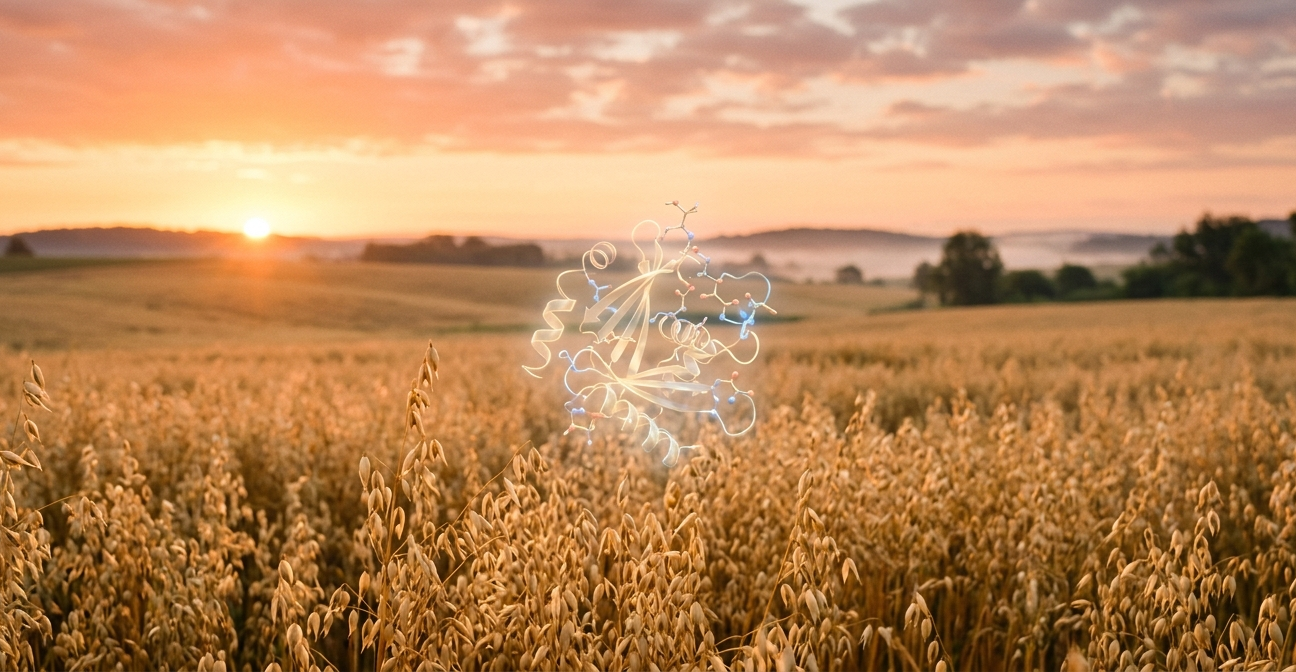
Permatin is a plant protein that has attracted attention because of its possible role in natural plant defense. It belongs to the thaumatin-like protein (TLP) family, a group of proteins associated with plant responses to fungi, pathogens and other forms of stress.
Research has mainly focused on cereal crops such as oats and barley, where scientists have examined how these proteins are produced, what they look like at the molecular level and whether they can slow fungal growth. One study on naked oats found that recombinant permatin showed antifungal activity against Fusarium oxysporum under laboratory conditions.
But what exactly is permatin and how does it work? Let’s break it down.
What Is Permatin?
Permatin is a thaumatin-like plant protein associated with natural defense against fungal pathogens. It belongs to the PR-5 family of pathogenesis-related proteins, which are involved in different plant defense and stress responses.
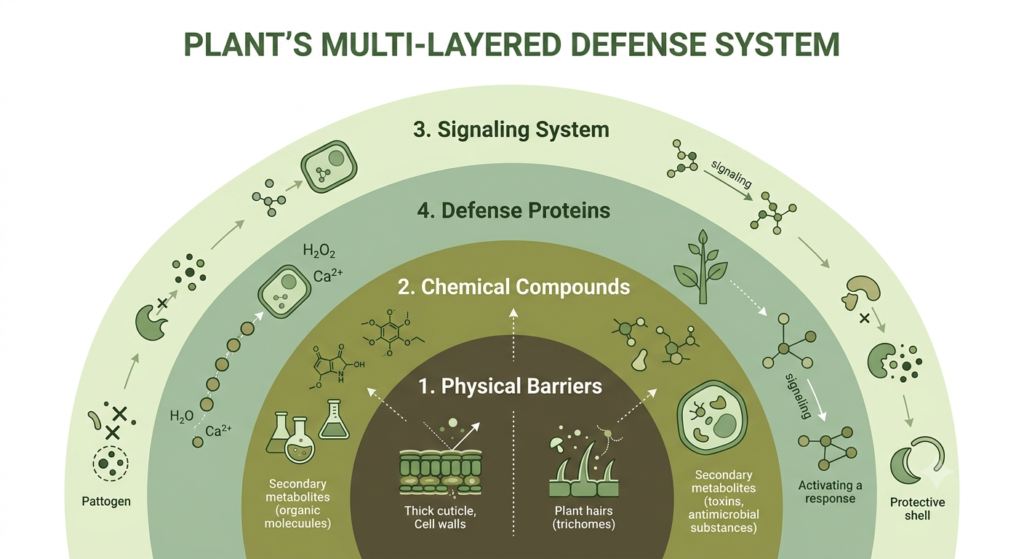
The easiest way to think about it is as one component of a plant’s natural protection system. Plants cannot move away from fungi, bacteria, insects or harsh environmental conditions. Instead, they rely on a combination of physical barriers, chemical compounds, signaling systems and defensive proteins. Permatin is associated with this last group.
Scientists are particularly interested in it because some members of the TLP family have demonstrated antifungal activity.
Why Does Permatin Matter?
Fungal diseases are a major challenge in agriculture. When a pathogen infects a crop, it can damage roots, leaves, stems, flowers or developing seeds and ultimately reduce yield.
This is why researchers do not only look for new chemicals to control disease. They also study the defenses plants already possess. Permatin provides an interesting example. If a plant naturally produces a protein that can interfere with fungal growth, understanding that protein may help researchers identify useful traits for crop improvement.
It is not a magic shield against disease, but it could be one small and potentially valuable part of the bigger defense picture.
How Does Permatin Fit Into the PR-5 Protein Family?
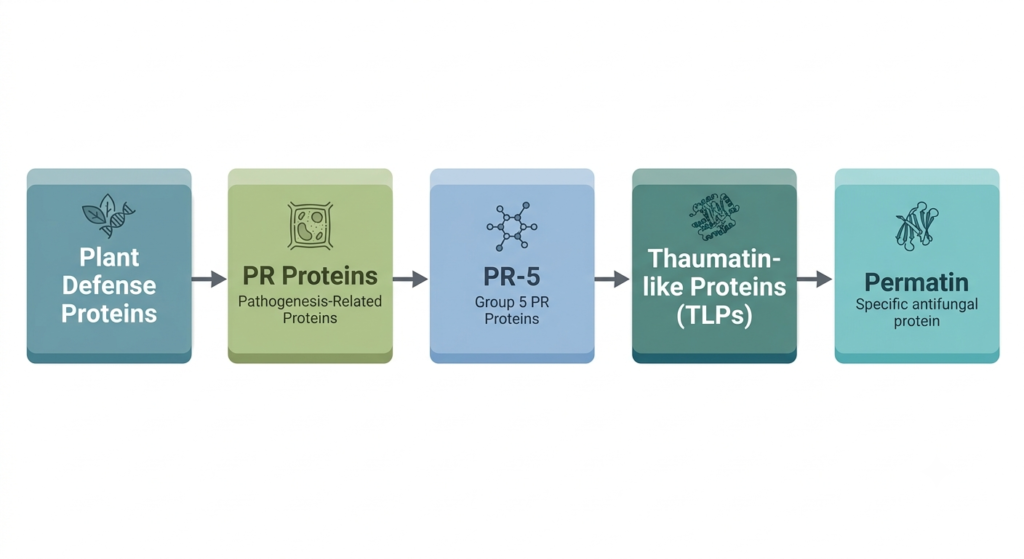
To understand permatin properly, it is useful to look at the family it belongs to. PR-5 proteins, or pathogenesis-related protein 5, are commonly known as thaumatin-like proteins. They occur in plants and have been associated with defense against pathogens as well as responses to environmental stress.
The name “thaumatin-like” comes from their similarity to thaumatin, a sweet-tasting protein originally associated with Thaumatococcus daniellii. That does not mean permatin is a sweetener. The connection is primarily based on protein family and structural similarity.
Other TLPs have been identified in cereals as well, including proteins studied in barley and oats.
Permatin vs. Thaumatin
These two terms are easy to mix up. Thaumatin is best known for its intense sweetness and has been investigated as a natural sweet-tasting protein. Permatin, on the other hand, is discussed mainly in plant biology because of its relationship with cereal defense and antifungal activity.
They are related at the protein-family level, but they are not the same substance.
Where Is Permatin Found?
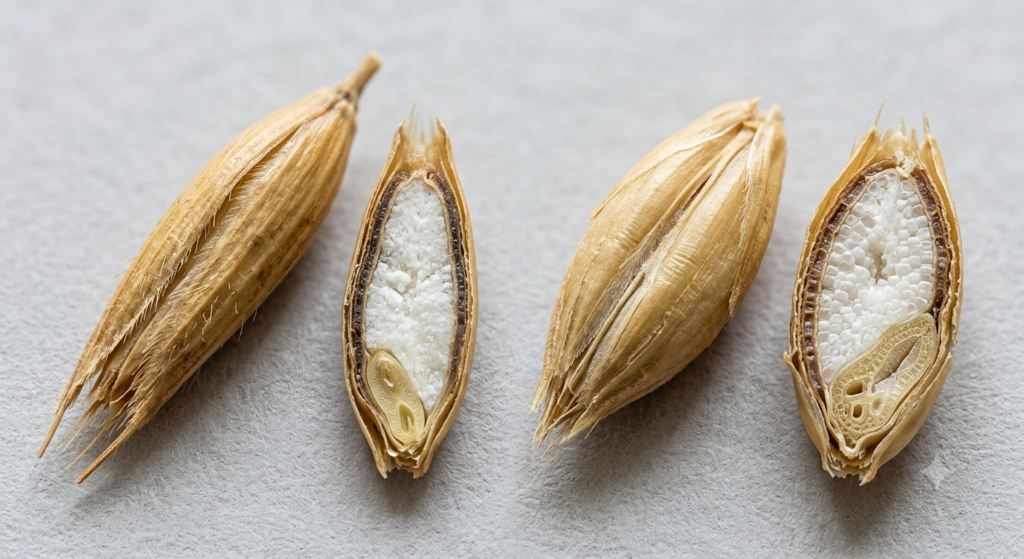
Research has focused particularly on cereal plants, including oat and barley. A study examining developing barley and oat seeds found that permatin gene expression changed considerably as the seeds matured. The protein was associated with different tissues at different stages, including the ovary wall, aleurone and ventral furrow. This is an interesting detail because it suggests that its role may extend beyond responding to an invading fungus.
If a defense protein is present during normal development, scientists have to consider whether it also performs other biological functions.
Permatin in Oats
Oats have provided some of the clearest molecular research. Scientists studying naked oat, Avena nuda, cloned a gene associated with the protein and characterized its sequence. The reported open reading frame contained 678 base pairs, encoding a protein of 225 amino acids with a calculated molecular mass of approximately 23.5 kDa.
These numbers are mainly useful for researchers working with DNA and protein sequences, but they confirm that scientists have been able to study the molecule at a detailed molecular level.
More importantly, the same research investigated whether the protein could directly affect fungal growth.
Permatin in Barley
Barley has also been important in understanding how these defense proteins behave. Researchers have examined gene expression during seed development and after exposure to Fusarium graminearum. The results showed that expression patterns could change following fungal challenge, providing evidence that the protein may be connected with plant defense.
Together, oat and barley research shows that the story is not simply about one crop or one pathogen.
How Does Permatin Work Against Fungi?
This is probably the most interesting question. The exact mechanism can differ between individual thaumatin-like proteins, but research suggests that some of them can interfere with fungal cells and restrict their growth.
One important target appears to be the fungal cell membrane. A cell membrane helps maintain the internal environment of a cell and controls movement of substances in and out. If that membrane becomes damaged or unusually permeable, the cell can struggle to function normally.
What Happens to Fungal Cells?
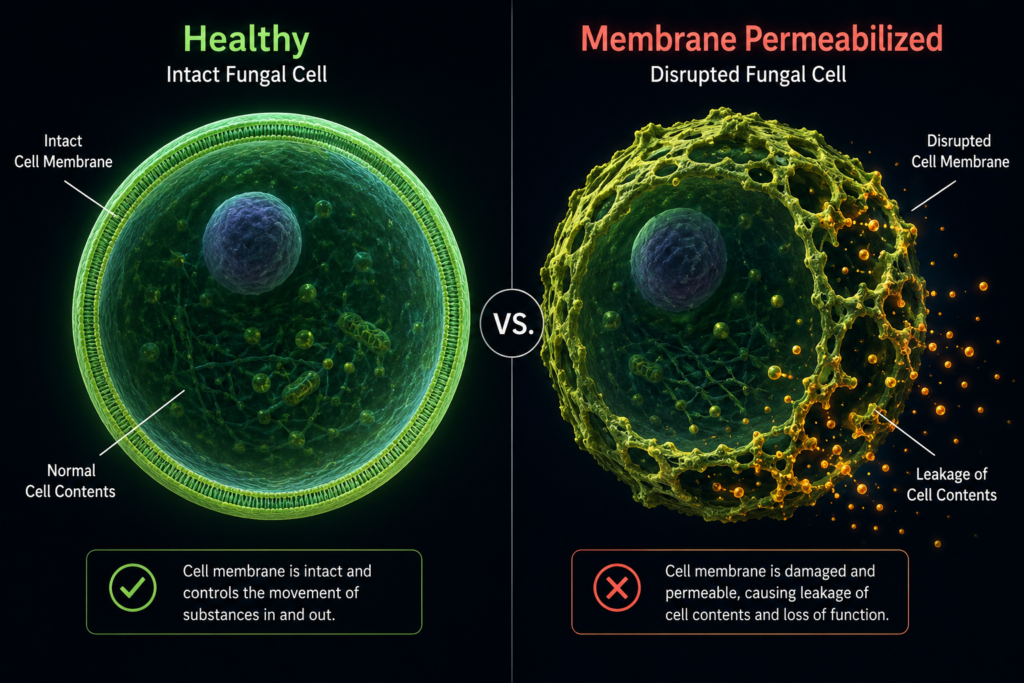
In the naked-oat study, recombinant permatin was tested against Fusarium oxysporum. Researchers reported changes in fungal morphology, including mycelial deformation and alterations associated with the cell membrane. They also observed membrane permeabilization and increased levels of reactive oxygen species.
In simpler terms, the treated fungal cells showed signs of considerable stress and structural damage. This helps explain why the protein was able to inhibit fungal growth under the experimental conditions. However, there is an important scientific distinction here: laboratory antifungal activity does not automatically mean field level effectiveness.
A protein may perform well in a controlled experiment but behave differently inside a living plant or under changing agricultural conditions.
Does Permatin Have Antifungal Properties?
Yes. Specific members of this protein group have demonstrated measurable antifungal activity. In one study, recombinant permatin from naked oat was tested against Fusarium oxysporum. Researchers reported an IC50 of 21.42 μM under their experimental conditions. IC50 refers to the concentration needed to produce 50% inhibition of a measured response. It is a common laboratory measurement used to compare biological activity.
But it should not be interpreted as a universal dose. The result depends on factors such as the fungal species, experimental method, protein preparation, temperature and other laboratory conditions.
Why Is Fusarium oxysporum Important?
Fusarium oxysporum is a plant-pathogenic fungus associated with diseases in numerous crops. Because fungal pathogens can cause serious agricultural losses, scientists are interested in natural molecules that can interfere with their growth. The research involving permatin therefore provides a useful starting point for studying protein based plant defense.
It does not, however, prove that the protein will control every Fusarium species or every fungal disease.
What Role Does Permatin Play During Plant Development?
You might expect a defense protein to appear only when a plant is attacked. Research does not paint quite such a simple picture.
In developing oat and barley seeds, researchers observed different levels of permatin expression at different stages of development. Expression was high around pollination, decreased afterward and increased again later in seed development.
The location changed too. Early expression was associated with the ovary wall, while later expression was observed in areas such as the aleurone and ventral furrow.
What Does This Tell Researchers?
It suggests that permatin may also have other biological roles rather than being a defensive protein against fungus only.
The protein may contribute to plant defense while also being connected to normal development. This is one reason researchers study not only whether a protein is present, but also when, where, and how much of it is produced. That information can reveal clues that a simple laboratory antifungal test cannot.
What Does Permatin Look Like at the Molecular Level?
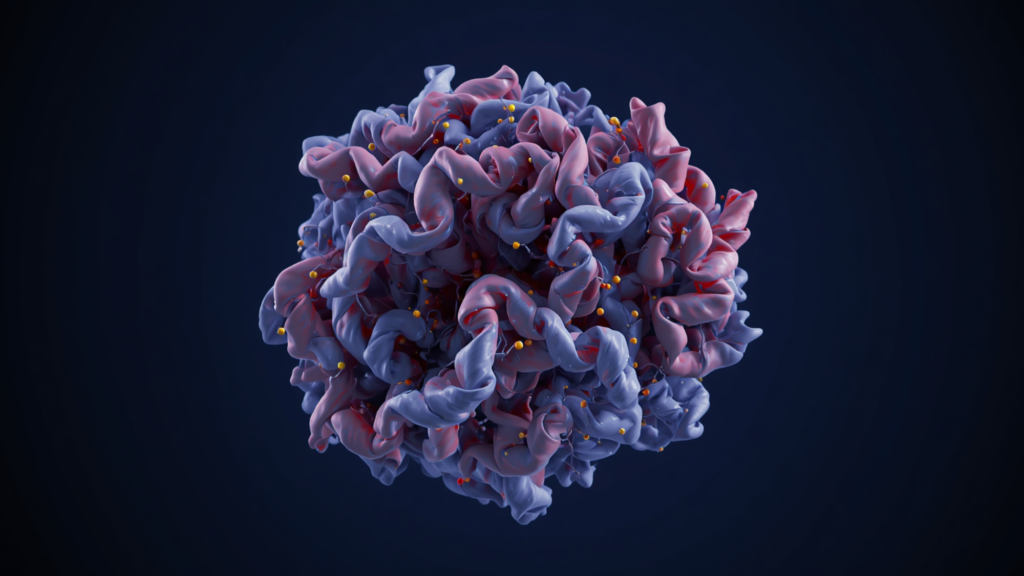
Like other thaumatin-like proteins, permatin has structural features that help it maintain its three-dimensional shape.
TLPs have a characteristic thaumatin-like fold, and many contain conserved cysteine residues that can form disulfide bonds. These bonds help stabilize the folded protein.
Why does that matter?
Because the shape of a protein affects how it interacts with other molecules and biological structures. Two proteins can belong to the same family but still behave differently because of differences in their amino acid sequences and structures.
That is why researchers compare protein sequences rather than assuming that every TLP has exactly the same function.
Is Permatin a Fungicide?
No. Permatin is a naturally occurring plant protein, not a conventional commercial fungicide.
The distinction is important because laboratory studies have demonstrated antifungal activity, but that does not mean the protein is currently used like a standard agricultural fungicide. A commercial crop treatment would need to meet many additional requirements involving effectiveness, stability, production, delivery, safety, cost and regulatory approval.
So describing it as a plant defense protein with antifungal potential is more accurate than simply calling it a fungicide.
Could Permatin Help Crops Resist Disease?
Potentially. This is one of the reasons researchers continue studying thaumatin-like proteins. Some TLPs have been associated with resistance to fungal pathogens and other forms of plant stress.
If scientists can identify which genes and proteins contribute most strongly to resistance, that information could potentially support:
- Crop breeding
- Genetic research
- Disease-resistance screening
- Plant biotechnology
- Biological crop-protection research
But there is no single protein that can make a crop completely disease-proof. Plant resistance usually involves multiple genes and signaling pathways working together. Environment and pathogen type also matter.
In other words, increasing the production of one defense protein may help under certain conditions without solving the entire disease problem.
How Do Scientists Study Permatin?
Researchers generally combine molecular biology, protein analysis, and biological testing.
Gene and DNA Analysis
Scientists can identify the gene responsible for producing the protein and study its DNA sequence. This helps determine whether a newly identified sequence is related to known TLPs.
Protein Analysis
Researchers can then examine the amino acid sequence, predicted structure, molecular mass and other characteristics. These details help confirm whether the protein belongs to the expected family.
Antifungal Testing
A recombinant form can be produced in the laboratory and exposed to a fungal culture. Scientists can then measure fungal growth and examine physical changes in the cells. This was the approach used in research involving naked-oat permatin and Fusarium oxysporum.
Testing in Real Plants
This is the critical next step. A protein can show impressive results in a laboratory dish and still behave differently in a living crop.
Field conditions introduce countless variables, including temperature, moisture, soil microorganisms, plant age, pathogen pressure and protein stability. That is why researchers need plant and field studies before making strong claims about agricultural applications.
What Are the Potential Uses?
The potential value of permatin lies mainly in plant science and agricultural biotechnology.
Crop Disease Resistance
Understanding natural defense proteins could help scientists identify why some plant varieties cope better with fungal infections than others. This could eventually contribute to breeding programs focused on disease resistance.
Biological Crop Protection
The antifungal activity seen in laboratory research raises the possibility of using naturally occurring proteins as inspiration for biological approaches to fungal control. However, turning a laboratory protein into a practical agricultural treatment would require considerable additional research.
Plant Biotechnology
Researchers could also investigate whether manipulating defense-related genes changes a plant’s resistance to particular pathogens. That does not necessarily mean introducing a foreign gene.
Plant breeding and biotechnology can involve many different approaches to understanding or modifying naturally occurring traits.
What Are the Limitations?
The biggest limitation is the gap between laboratory evidence and real-world agricultural performance.
Researchers still need to understand how stable these proteins are, how plants regulate them, how they interact with other defense pathways and whether increasing their activity produces useful results without unwanted effects.
There is also the question of scale. Producing a protein in a laboratory is one thing. Producing it economically, delivering it effectively, maintaining its activity and demonstrating consistent performance in the field is another.
That is why the current research should be viewed as promising rather than definitive.
Permatin vs. Other Plant Defense Proteins
Plants contain many types of defense-related proteins, and they are not all interchangeable. The protein discussed here belongs to the PR-5/TLP group. Other PR families have different structures and biological functions. This distinction matters when reading scientific studies.
A result involving one PR family cannot automatically be applied to every other defense protein. Even proteins within the same TLP family can behave differently depending on their sequence, plant species, pathogen, and environment.
Conclusion
Permatin is a good example of how much is happening inside a plant long before we see any visible sign of disease. As a member of the thaumatin-like protein family, it is associated with natural plant defense and has been studied in cereal crops such as oats and barley. Research has shown that certain forms can interfere with fungal growth in laboratory conditions, including activity against Fusarium oxysporum.
The real opportunity is understanding how plants defend themselves naturally and whether those mechanisms can be used to develop stronger crops, better disease-resistance strategies, or more sustainable approaches to crop protection. For now, the evidence makes permatin an interesting research subject with genuine antifungal potential, but not a proven cure-all for crop diseases.
FAQ’s
What is permatin in simple terms?
It is a plant defense protein belonging to the thaumatin like protein family. It has been studied mainly because certain members can interfere with fungal growth.
Is permatin a protein?
Yes. It belongs to the PR-5 group of thaumatin-like proteins found in plants.
Where is permatin found?
Research has focused on cereal crops, especially oats and barley.
Does permatin fight fungi?
Certain forms have demonstrated antifungal activity in laboratory studies. Naked oat recombinant protein, for example, showed activity against Fusarium oxysporum.
Is permatin a natural fungicide?
It is more accurate to call it a plant defense protein with antifungal activity. Calling it a fungicide can imply that it is already a commercially established crop treatment.
Can it be used to protect crops?
Its potential for crop protection is still being researched. Current evidence is strongest at the molecular and laboratory level.
What is PR-5?
PR-5 stands for pathogenesis-related protein 5. It is the protein family that includes thaumatin like proteins.
Is permatin the same as thaumatin?
No. They are related through the broader thaumatin-like protein family, but they are different proteins with different biological contexts.
What fungus has been tested with permatin?
One important study tested recombinant protein from naked oat against Fusarium oxysporum and reported measurable inhibition of fungal growth.
Why are researchers interested in it?
Its possible antifungal role makes it useful for studying natural plant defense and potential strategies for improving crop resistance to fungal diseases.