



Foods to Avoid If You Have Heart Palpitations Expert Dietary Guide
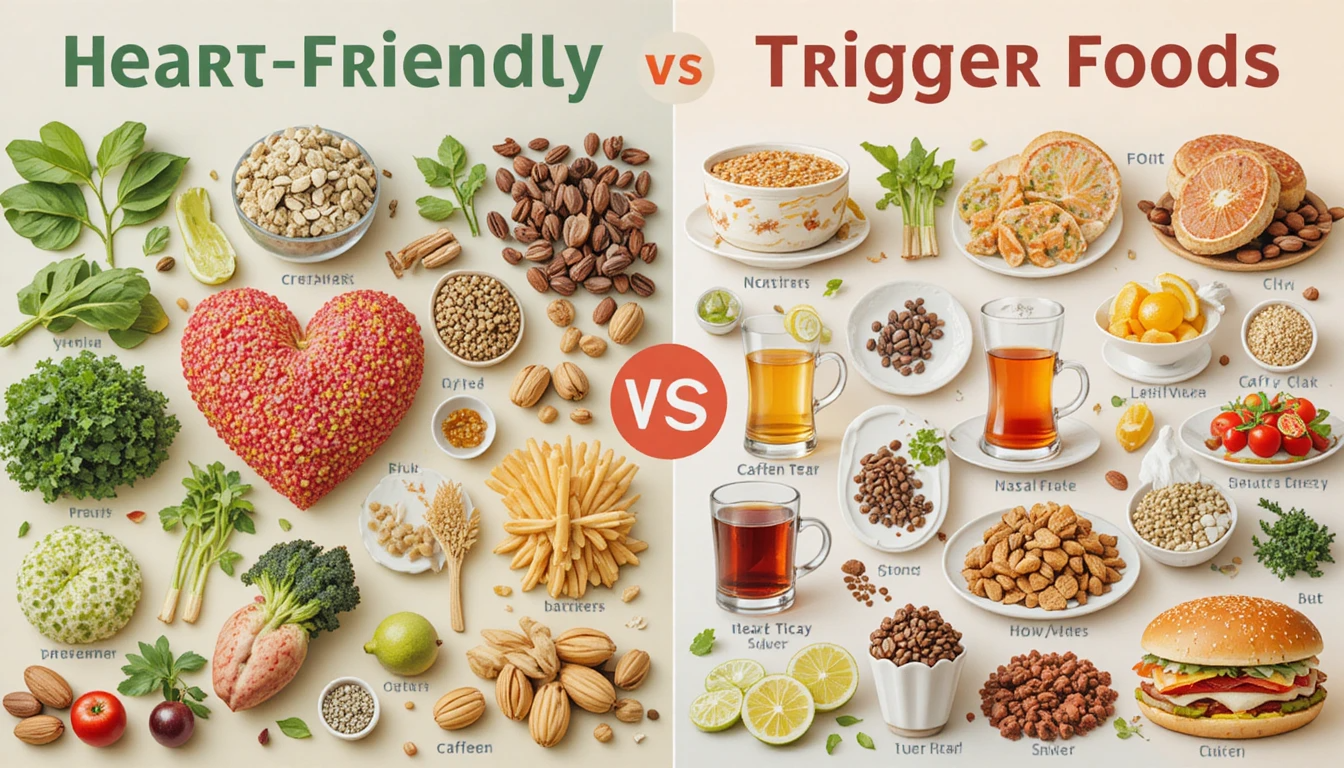
If you frequently experience a racing fluttering or pounding heartbeat your diet may be playing a role. Understanding the foods to avoid if you have heart palpitations can help you reduce episodes and support overall heart health.
While occasional palpitations are common persistent or severe symptoms should always be evaluated by a healthcare professional. This medically informed guide explains how certain foods affect heart rhythm who is most at risk and how to make safer dietary choices.
What Are Heart Palpitations and How Are They Linked to Diet?
Heart palpitations are sensations that feel like your heart is skipping beats beating too fast fluttering or pounding in your chest or throat. They can last a few seconds or several minutes.
What Do Heart Palpitations Feel Like?
People describe palpitations as:
- A racing heartbeat
- A flip-flopping sensation
- A sudden pounding in the chest
- Irregular or skipped beats
In many cases they are harmless. However frequent palpitations may signal an underlying rhythm issue.
How Can Food Trigger Heart Palpitations?
Certain foods stimulate the nervous system alter blood sugar levels or disrupt electrolyte balance. These effects can trigger temporary changes in heart rhythm. That’s why identifying the foods to avoid if you have heart palpitations is a key step in symptom management.
Are Diet Related Palpitations Dangerous?
Most food related palpitations are mild and temporary. However if they are accompanied by dizziness chest pain, shortness of breath or fainting, immediate medical evaluation is necessary.
Why Certain Foods Trigger Heart Palpitations
Understanding why specific foods affect heart rhythm helps you make smarter choices.
Why Does Caffeine Cause a Racing Heart?
Caffeine stimulates the central nervous system and increases adrenaline levels. This can speed up heart rate and trigger palpitations especially in sensitive individuals. Coffee energy drinks and certain sodas are common triggers.
How Sugar and Refined Carbs Affect Heart Rhythm
High sugar foods can cause rapid spikes and crashes in blood glucose. These fluctuations may activate stress hormones like adrenaline which can increase heart rate and lead to palpitations.
Can High Sodium Foods Lead to Palpitations?
Excess sodium can raise blood pressure and fluid retention placing extra strain on the heart. For individuals prone to rhythm disturbances salty meals may worsen symptoms.
Do Food Additives or Preservatives Play a Role?
Some people report palpitations after consuming processed foods with artificial sweeteners or preservatives. While research is ongoing sensitivity to additives may contribute in certain cases.
Top Foods to Avoid If You Have Heart Palpitations
If you’re managing recurring symptoms limiting these common triggers may help.
Caffeinated Drinks (Coffee Energy Drinks Soda)
These are among the most common foods to avoid if you have heart palpitations. Even moderate caffeine intake can trigger symptoms in sensitive individuals.
Alcohol and Its Impact on Heart Rhythm
Alcohol can disrupt electrical signals in the heart and increase dehydration both of which may lead to palpitations. Some people experience symptoms even after small amounts.
Spicy or Highly Processed Foods
Spicy meals may stimulate the nervous system and increase heart rate. Processed foods often contain excess sodium and additives that may aggravate symptoms.
High-Sugar Desserts and Refined Carbohydrates
Candy, pastries, and sugary beverages can destabilize blood sugar levels and increase adrenaline release.
Salty Snacks and Fast Food
Fast food and packaged snacks are typically high in sodium and unhealthy fats which may strain the cardiovascular system.
Who Is Most Sensitive to Dietary Triggers?
Not everyone reacts to food triggers the same way.
People with Anxiety or Stress Disorders
Stress already elevates adrenaline levels. Adding caffeine or sugar can amplify the effect and worsen palpitations.
Individuals with Arrhythmia or Atrial Fibrillation
People diagnosed with arrhythmias such as Atrial fibrillation may be more sensitive to dietary triggers.
Pregnant Women Experiencing Palpitations
Hormonal changes and increased blood volume during pregnancy can make the heart more reactive to caffeine or dehydration.
Athletes or Highly Active Individuals
Electrolyte imbalances from intense exercise combined with dietary triggers can increase the likelihood of palpitations.
How to Identify Your Personal Food Triggers
Tracking your diet can help pinpoint what affects you most.
How to Keep a Heart Palpitation Food Journal
Record what you eat and drink, the time consumed and when symptoms occur. Over time, patterns may emerge that reveal trigger foods.
When to Eliminate and Reintroduce Certain Foods
Try eliminating suspected triggers for two to three weeks. Gradually reintroduce them one at a time to see if symptoms return.
How Long After Eating Do Palpitations Start?
Food related palpitations often begin within minutes to a few hours after eating depending on the trigger and individual sensitivity.
What Foods Are Safe or Heart Friendly Alternatives?
Instead of focusing only on restrictions consider heart-supportive options.
Magnesium Rich Foods That Support Heart Rhythm
Magnesium helps regulate electrical activity in the heart. Leafy greens nuts seeds and legumes are excellent choices.
Hydrating Foods and Electrolyte Balance
Proper hydration supports stable heart rhythm. Water rich fruits vegetables and adequate fluid intake are essential.
Low-Caffeine or Caffeine Free Options
Switching to herbal tea or decaffeinated beverages may reduce symptoms.
Anti-Inflammatory Foods for Cardiovascular Health
A heart-friendly diet includes whole grains fatty fish fruits vegetables and healthy fats. Dietary patterns recommended by organizations like the American Heart Association emphasize balanced nutrition for cardiovascular support.
When Should You See a Doctor for Heart Palpitations?
While adjusting the foods to avoid if you have heart palpitations can reduce mild symptoms medical evaluation is important in certain cases.
Warning Signs That Require Immediate Medical Attention
Seek urgent care if palpitations occur with:
- Chest pain
- Shortness of breath
- Fainting
- Severe dizziness
How Cardiologists Diagnose Food Related Palpitations
A cardiologist may review your symptoms, diet, and medical history. They may also recommend monitoring devices to assess heart rhythm.
What Tests May Be Recommended?
Tests may include:
- Electrocardiogram (ECG)
- Holter monitor
- Blood tests to check electrolytes or thyroid levels
Medical Insights on Diet and Heart Rhythm
This information reflects current understanding of dietary triggers and cardiovascular health.
Reviewed by Cardiologists or Healthcare Professionals
Individuals with persistent symptoms should consult licensed healthcare providers for personalized advice.
Clinical Research on Diet and Arrhythmias
Research suggests stimulants electrolyte imbalances and excessive alcohol intake can influence heart rhythm stability.
Author Experience with Heart Health Cases
Clinicians frequently observe improvements when patients reduce caffeine manage stress and adopt balanced eating habits.
Trusted References from Reputable Health Organizations
For additional guidance consult reputable sources such as the Mayo Clinic and the National Heart Lung and Blood Institute.
Conclusion
Understanding the foods to avoid if you have heart palpitations empowers you to take control of your heart health. Many mild cases improve with dietary adjustments hydration and stress management. Key dietary changes include reducing caffeine and alcohol limiting processed and high sodium foods stabilizing blood sugar with balanced meals and staying hydrated.
For long term heart health adopt a balanced whole food diet exercise regularly manage stress and schedule routine medical checkups. If palpitations persist despite these lifestyle improvements consult a healthcare professional to rule out underlying heart conditions.
FAQs
Can Dehydration Cause Heart Palpitations?
Yes. Dehydration can disrupt electrolyte balance increasing the risk of irregular heartbeat sensations.
Does Chocolate Trigger Heart Palpitations?
Chocolate contains caffeine and stimulants that may trigger symptoms in sensitive individuals.
Are Heart Palpitations After Eating Normal?
Mild palpitations after large meals can occur due to increased blood flow demands but frequent episodes should be evaluated.
Can Skipping Meals Cause a Racing Heart?
Low blood sugar from missed meals can stimulate adrenaline release leading to palpitations.
How Quickly Can Diet Changes Reduce Palpitations?
Some people notice improvement within days of reducing trigger foods while others may require several weeks.