
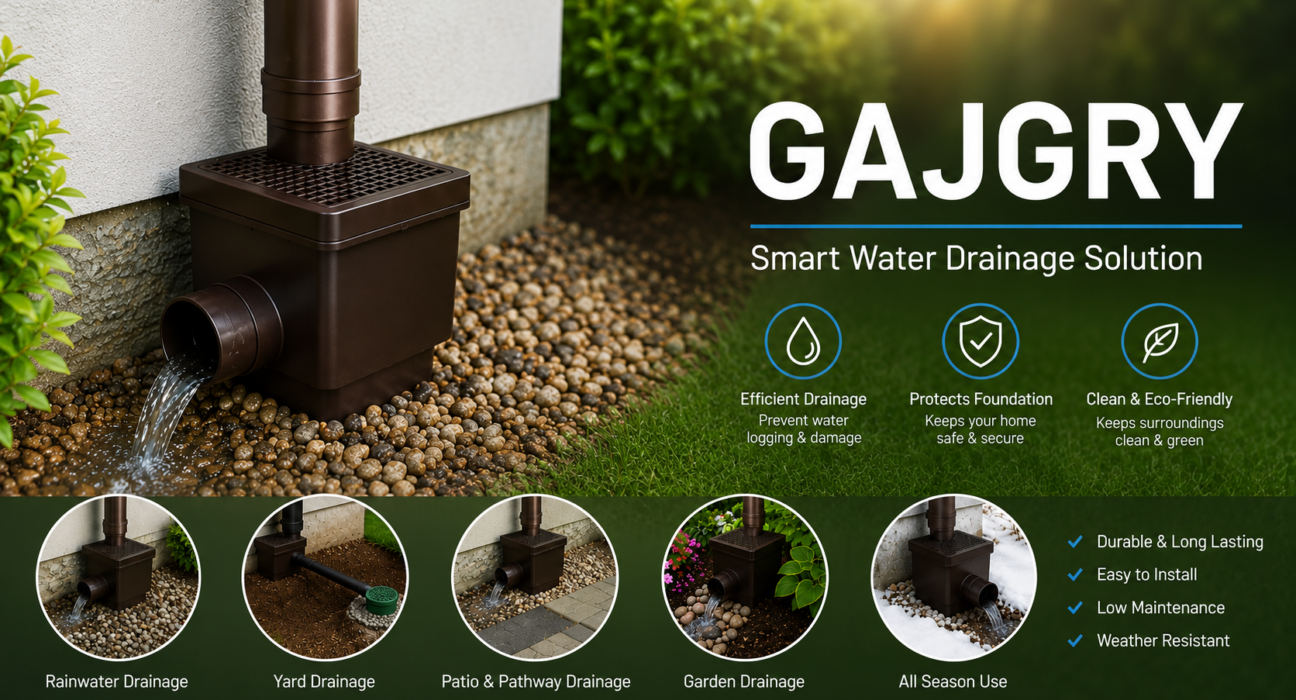
Gajgry play a vital role in keeping roof drainage systems clean and efficient by capturing leaves, dirt and other debris before they enter underground pipes. Although often overlooked, these drainage components help reduce blockages, improve rainwater flow and protect buildings from costly water damage. Understanding their purpose, design and applications highlights why they are an essential part of modern residential and commercial drainage systems.
What Are Gajgry?
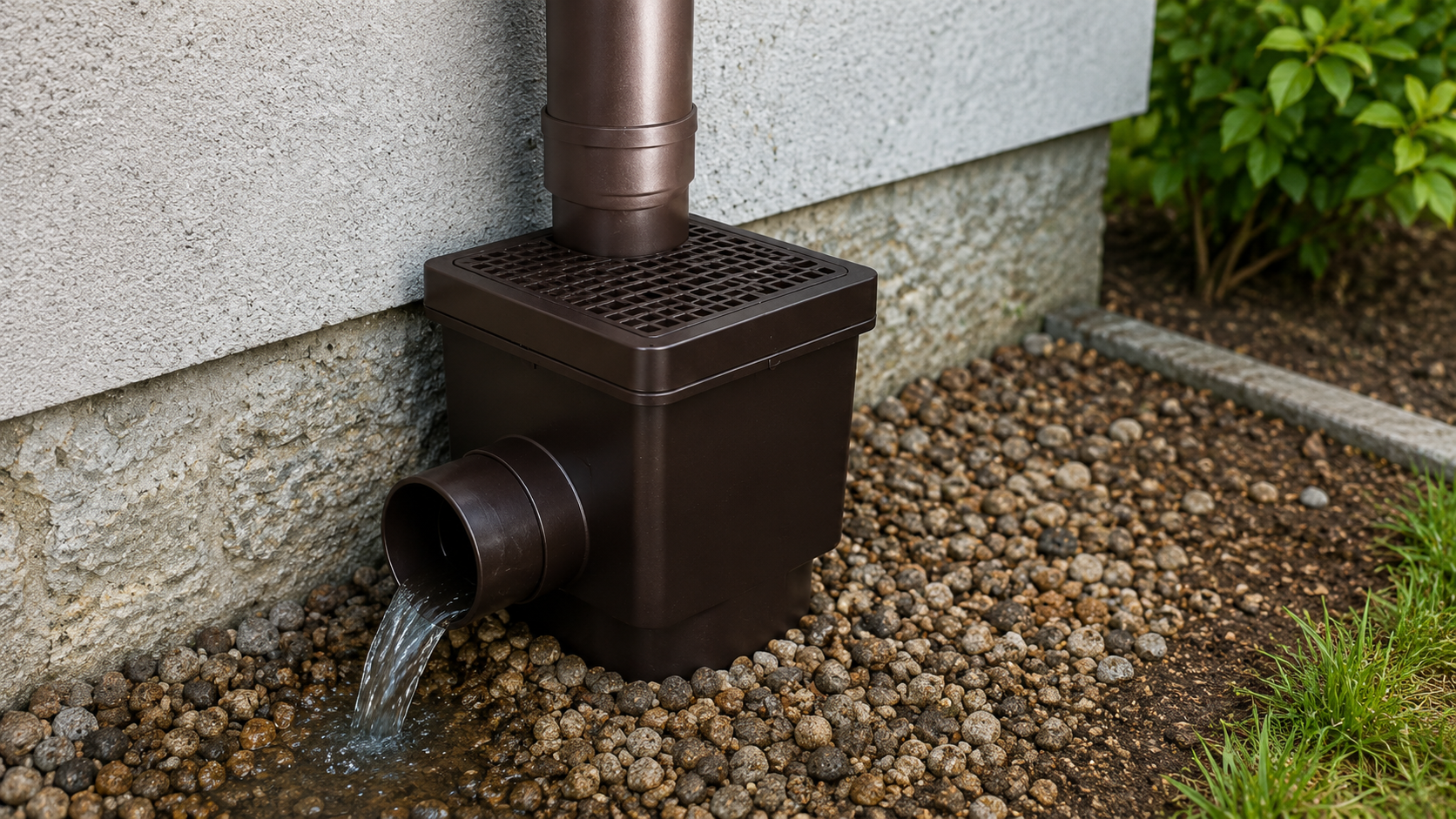
Gajgry are specialized drainage components installed at the bottom of roof downpipes where rainwater enters the underground drainage network. Their primary purpose is to collect roof debris while allowing rainwater to flow freely into the drainage system. By preventing leaves, moss, sand and other materials from reaching underground pipes, gajgry help maintain an efficient and reliable rainwater management system.
What Does the Term “Gajgry” Mean?
The word gajgr is commonly used in the Czech Republic and refers to what is technically known as a roof debris trap or rainwater gully. The plural form is gajgry. The name is believed to have originated from the German word Geiger, which gradually became part of everyday Czech construction terminology.
Gajgry vs.Geiger Are they the same?
Yes, in most situations gajgry and Geiger refer to the same type of drainage component. The difference lies mainly in language and terminology rather than function.
“Gajgr” is the Czech adaptation that has become widely used in everyday conversation, while “Geiger” is more commonly found in technical specifications, product catalogs and some manufacturer documentation. Regardless of the name, both describe a drainage unit designed to collect roof debris before rainwater enters underground pipes.
What Is the Purpose of Gajgry?
The main purpose of gajgry is to protect underground drainage systems by filtering debris while allowing rainwater to flow efficiently. They serve as the first line of defense against materials that naturally wash off roofs during rainfall.
Without a debris trap, leaves, moss, roofing granules and dirt can travel directly into drainage pipes. Over time, these materials accumulate and increase the likelihood of clogs, reducing the system’s ability to transport rainwater effectively. Installing gajgry significantly lowers this risk and helps maintain uninterrupted water flow.
Preventing Drainage Pipe Blockages
One of the biggest advantages of gajgry is their ability to capture debris before it reaches underground pipes. Leaves, twigs, sand and small stones remain inside the removable collection basket instead of traveling through the drainage network.
This simple filtration process reduces the need for costly pipe cleaning and helps extend the lifespan of the entire drainage system.
Improving Rainwater Flow
Heavy rainfall produces large volumes of water that must be directed away from the building as quickly as possible. Gajgry allow rainwater to pass efficiently while separating solid debris, reducing restrictions within the drainage system.
Maintaining smooth water flow also lowers the risk of water pooling around foundations or overflowing from blocked downpipes during storms.
Protecting Buildings from Water Damage
Efficient roof drainage is essential for protecting buildings from moisture related problems. When drainage systems become blocked, rainwater can overflow onto walls, foundations, landscaping and paved areas.
By preventing debris buildup and supporting continuous water flow, gajgry help reduce the risk of structural damage, soil erosion, damp conditions and unnecessary repair costs. Although they are only one component of the drainage network, their contribution to long term building protection is significant.
How Do Gajgry Work?
As rainwater travels down the pipe, it carries leaves, twigs, moss, roof granules, sand and other small particles. Instead of allowing these materials to flow directly into underground pipes, the gajgr captures them in a removable collection basket or chamber. Cleaner water then continues through the outlet and into the drainage system.
This process minimizes the accumulation of debris inside pipes, helping maintain unrestricted water flow throughout the year. During periods of heavy rainfall, an unobstructed drainage system is especially important for preventing overflow and directing water safely away from the building.
The Rainwater Flow Process
The operation of a gajgr follows a straightforward sequence:
- Rainwater collects in the roof gutters.
- Water flows through the downpipe.
- The gajgr receives the water at ground level.
- Leaves, dirt, and debris are trapped inside the collection basket.
- Filtered rainwater exits through the outlet into the underground drainage pipe.
This controlled flow helps keep the drainage system operating efficiently while reducing the chances of future blockages.
How Debris Is Collected
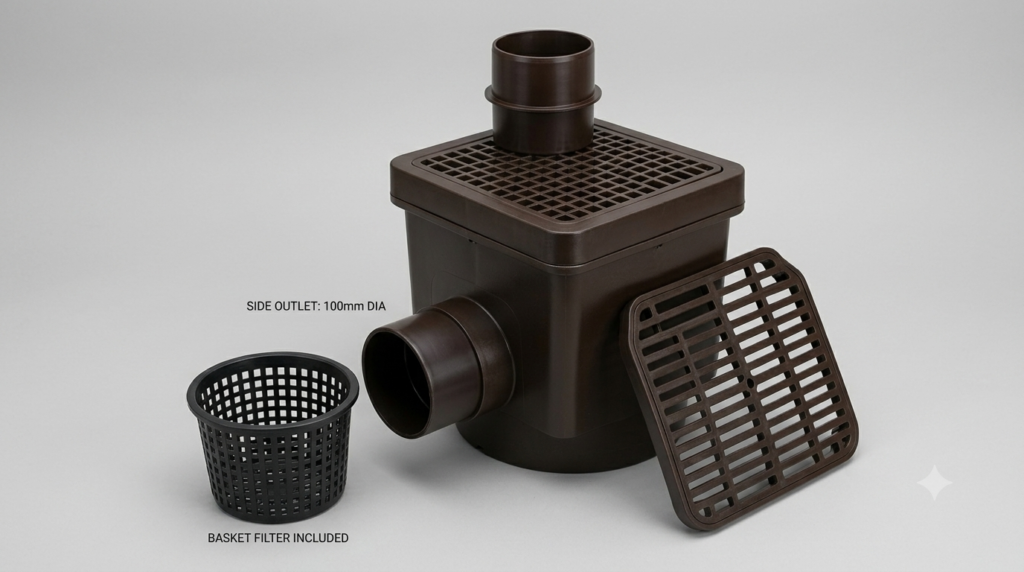
Inside the gajgr is a removable basket or debris chamber designed to capture larger particles without restricting water flow. The openings allow rainwater to pass while retaining leaves, moss and other solid materials.
When the basket becomes full, it can simply be removed, emptied and reinstalled. This design makes routine maintenance quick and eliminates the need to access underground drainage pipes for minor cleaning.
Connection to Underground Drainage
After filtration, rainwater leaves the gajgr through an outlet that connects directly to the underground drainage system. Depending on the installation, the outlet may be positioned at the bottom or on the side of the unit.
This connection ensures rainwater is transported safely away from the building, helping protect foundations, landscaping and surrounding structures from excess water.
Main Parts of a Gajgry System
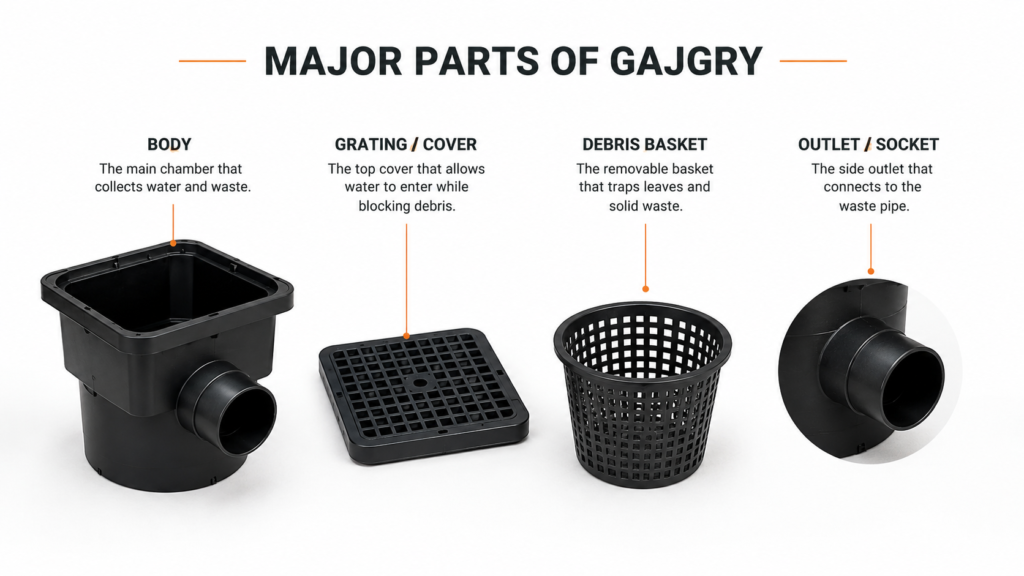
Although designs vary between manufacturers, most gajgry share the same core components. Each part contributes to efficient rainwater management and easier maintenance.
Inlet for the Downpipe
The inlet is the upper section where the roof downpipe connects to the gajgr. It receives rainwater directly from the drainage system and guides it into the filtration chamber. Modern inlets are manufactured in various diameters to match standard downpipe sizes, ensuring a secure and efficient connection.
Debris Collection Basket
The debris basket is one of the most important components of the system. It captures leaves, moss, dirt, roof particles and other solid materials before they enter underground pipes. Because the basket is removable, cleaning can usually be completed in just a few minutes, reducing maintenance costs and helping maintain proper drainage performance.
Outlet Connection
After passing through the filtration chamber, cleaner rainwater exits through the outlet connection and enters the underground drainage network. Depending on the installation requirements, outlets may be positioned on the bottom or side of the gajgr to accommodate different pipe layouts.
Inspection Cover
Most gajgry include an inspection cover that provides easy access to the collection basket and internal chamber. The cover protects the system from external contamination while allowing homeowners or maintenance personnel to inspect and clean the unit without dismantling the drainage system.
Odor Trap
Some models include an integrated odor trap designed to prevent unpleasant sewer gases from traveling back through the drainage pipe and escaping from the roof downpipe. This feature is particularly useful when the rainwater system connects to a combined sewer network.
Coding Fonts You Have to Explore
Choosing the best coding fonts can make a noticeable difference in readability, focus, and overall coding comfort. A good programming font helps distinguish similar characters, maintains clear spacing, and reduces eye strain during long sessions, making it easier for developers to write, review, and debug code efficiently.
Types of Gajgry
Gajgry are available in several configurations to suit different building designs, drainage layouts and performance requirements. Choosing the right type depends on the location of the underground drainage pipes, expected water volume, and environmental conditions.
Bottom Outlet Gajgry
Bottom outlet models discharge filtered rainwater directly downward into the underground drainage pipe. They are commonly used when the drainage pipe is positioned directly beneath the downpipe, making installation straightforward and space efficient.
Side Outlet Gajgry
Side outlet models discharge water horizontally before it enters the underground drainage network. They are suitable for drainage systems where underground pipes are offset from the building or where installation conditions require a horizontal connection.
Plastic Gajgry
Plastic gajgry are lightweight, corrosion resistant and widely used in residential buildings. They are easy to install, require minimal maintenance and are generally more affordable.
Cast Iron Gajgry
Cast iron models offer greater strength and durability, making them ideal for areas exposed to heavy loads or demanding environmental conditions. They are commonly used in commercial and industrial projects where long-term durability is a priority.
Where Are Gajgry Used?
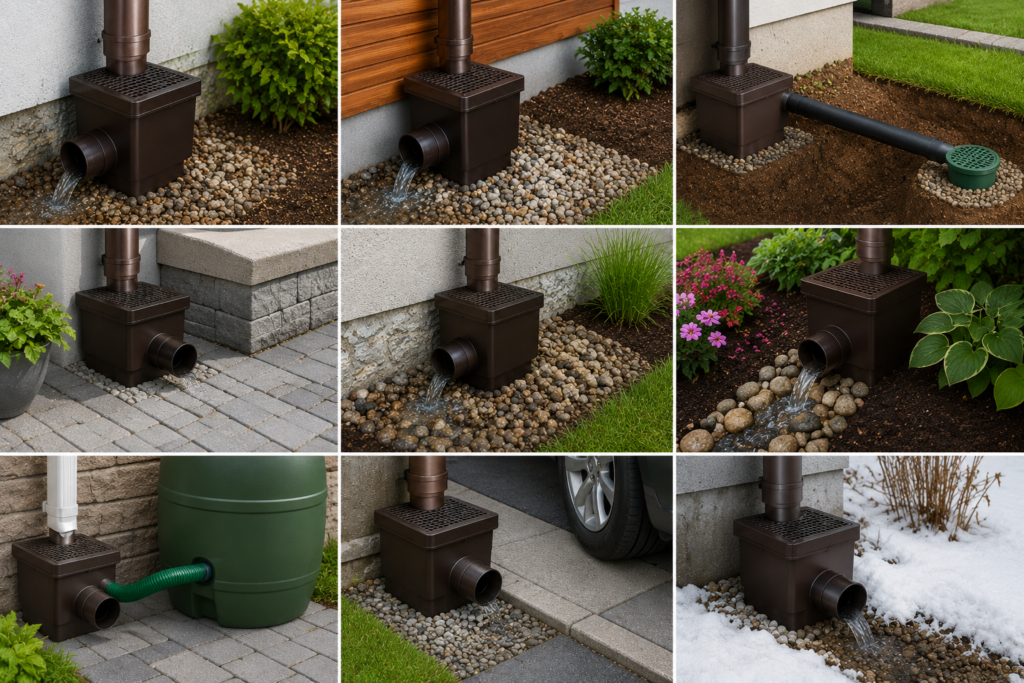
Because effective rainwater management is important for almost every structure, gajgry are installed in a wide range of buildings and construction projects.
Residential Homes
Single family homes, townhouses and apartment buildings commonly use gajgry to protect underground drainage systems from leaves, dirt and roof debris. Their simple design helps homeowners reduce maintenance while improving the reliability of roof drainage throughout the year.
Commercial Buildings
Office buildings, retail centers, schools, hotels and public facilities often require larger drainage systems capable of handling significant rainfall. Installing gajgry helps keep these systems operating efficiently while reducing maintenance interruptions and preventing costly drainage issues.
Industrial Facilities
Factories, warehouses, logistics centers and manufacturing plants frequently use heavy duty gajgry because of their ability to manage high volumes of rainwater and withstand demanding operating conditions. Their robust construction makes them suitable for large scale drainage systems where long term reliability is essential.
A Font You Must Try
Simptown is a font style known for its clean visual appeal and decorative character, making it suitable for creative designs, branding and digital graphics. Simptown Boutique distinctive lettering style can add personality to headings, logos, posters, and social media visuals where a more eye-catching typographic look is needed.
Benefits of Installing Gajgry
Installing gajgry offers more than just basic rainwater drainage. These components help maintain the efficiency of the entire drainage system while reducing maintenance needs and protecting buildings from water related issues. Whether used in residential or commercial properties, they provide long term value by supporting reliable water management.
Reduces the Risk of Pipe Blockages
One of the greatest advantages of gajgry is their ability to stop leaves, twigs, roof granules and other debris before they enter underground drainage pipes. This reduces the likelihood of clogs that can restrict water flow and require expensive cleaning or repairs.
Simplifies Maintenance
Because debris is collected in a removable basket, routine maintenance becomes much easier. Instead of clearing blocked underground pipes, property owners only need to inspect and empty the basket periodically saving both time and effort.
Improves Drainage Performance
By allowing cleaner rainwater to flow through the drainage network gajgry help maintain consistent water movement during both light showers and heavy rainfall. This reduces the chance of overflowing gutters or standing water around the building.
Protects Buildings from Water Damage
An efficient drainage system directs rainwater safely away from foundations, walls and paved areas. Gajgry support this process by helping prevent drainage failures that could lead to moisture problems, erosion or structural damage over time.
Extends the Lifespan of Drainage Systems
Keeping underground pipes free from accumulated debris reduces wear on the drainage network. This can extend the service life of pipes and minimize the need for major maintenance or replacements.
Maintenance and Cleaning
Like any drainage component gajgry perform best when inspected and cleaned regularly. Routine maintenance helps prevent debris buildup and ensures unrestricted rainwater flow throughout the year.
How Often Should Gajgry Be Cleaned?
The cleaning schedule depends on the surrounding environment. Buildings located near trees usually require more frequent maintenance because leaves and organic debris accumulate faster. In most cases, inspecting the unit several times a year particularly during autumn and after heavy storms is sufficient.
Signs That Cleaning Is Needed
Some common indicators include:
- Water overflowing from gutters or downpipes
- Slow drainage during rainfall
- Visible debris inside the inspection chamber
- Standing water around the gajgr
- Unpleasant odors from the drainage system
Addressing these signs early helps prevent larger drainage problems.
Simple Maintenance Tips
To keep a gajgr working efficiently:
- Remove leaves and debris from the collection basket regularly.
- Rinse the chamber with clean water if sediment builds up.
- Check the outlet for obstructions.
- Inspect the cover and connections for damage.
- Replace worn or damaged components when necessary.
Consistent maintenance helps maximize the lifespan of both the gajgr and the entire drainage system.
Common Problems and Solutions
Although gajgry are designed for long term reliability certain issues can develop if maintenance is neglected or the system is improperly installed.
Overflow During Heavy Rain
Cause: A full debris basket or blocked outlet.
Solution: Clean the basket and inspect the outlet to restore normal water flow.
Clogged Collection Basket
Cause: Accumulation of leaves, moss, dirt, or roof particles.
Solution: Empty the basket regularly, especially during seasons when debris is most likely to collect.
Unpleasant Odors
Cause: A missing, damaged or ineffective odor trap in systems connected to combined sewers.
Solution: Inspect the odor trap and replace it if necessary.
Cracked or Damaged Housing
Cause: Age, impact damage or freezing conditions.
Solution: Replace damaged components promptly to prevent leaks and maintain efficient drainage.
Conclusion
Gajgry are an essential part of efficient roof drainage systems, helping keep rainwater flowing smoothly while preventing leaves, dirt, and other debris from entering underground pipes. Their simple yet effective design reduces the risk of blockages, lowers maintenance requirements, and helps protect buildings from water-related damage. Whether installed in residential, commercial, or industrial properties, choosing the right gajgr and maintaining it regularly can improve the reliability and lifespan of the entire drainage system, making it a valuable investment for long-term property protection.
FAQs
What are gajgry used for?
Gajgry are used to collect leaves, dirt and roof debris before rainwater enters underground drainage pipes, helping prevent blockages and improve drainage efficiency.
Are gajgry suitable for residential homes?
Yes, they are commonly installed in houses, apartment buildings and other residential properties to support reliable roof drainage.
How often should a gajgr be cleaned?
Most gajgry should be inspected several times a year. Properties surrounded by trees may require more frequent cleaning due to increased leaf buildup.
What materials are gajgry made from?
The most common materials include durable plastic and cast iron. The choice depends on the building type, expected loads and environmental conditions.
Can a gajgr help prevent water damage?
Yes, by maintaining efficient rainwater flow and reducing drainage blockages, gajgry help direct water away from the building, lowering the risk of water-related damage.
What’s the difference between a bottom outlet and a side outlet gajgr?
A bottom outlet discharges water directly downward into the underground drainage pipe, while a side outlet directs water horizontally before it enters the drainage network. The appropriate choice depends on the layout of the drainage system.