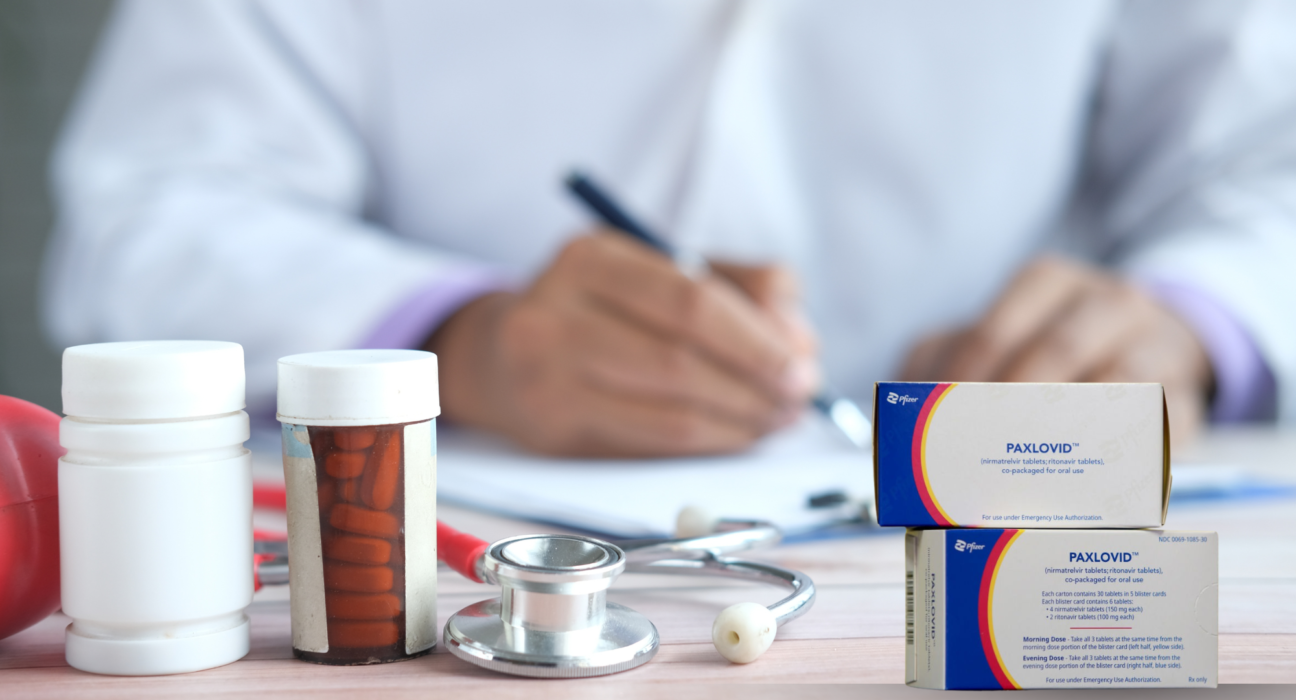
Paxlovid rebound refers to COVID-19 symptoms returning or a positive COVID-19 test appearing again after you initially improve or test negative. It can happen after taking Paxlovid, but rebound can also occur in people who did not take antiviral treatment. When it occurs, symptoms are usually mild and temporary.
If you are wondering when Paxlovid rebound happens, how long it lasts, whether you can spread COVID-19 again, or whether you need more treatment, this guide explains the key facts in simple language, including what rebound symptoms can look like and when to seek medical advice.
What Is Paxlovid Rebound?
Paxlovid is an oral antiviral prescribed to people at higher risk of severe COVID-19, taken as a five day course. COVID-19 rebound refers to symptoms returning or a positive test appearing again after an initial improvement or negative test. Rebound often occurs within several days of initial recovery, although the timing can vary from person to person.
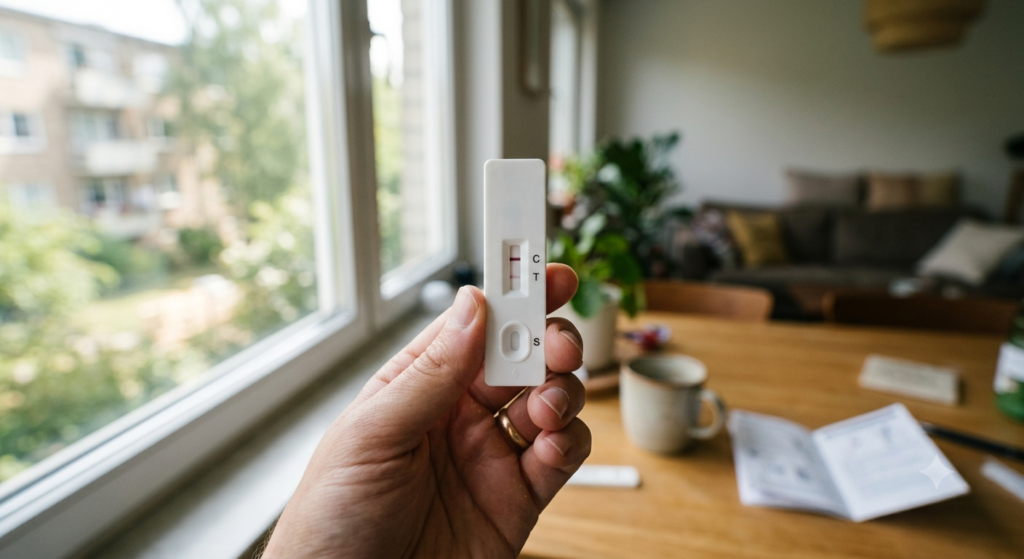
There are two related but distinct things people lump together under rebound:
- Viral rebound: your viral load drops, then rises again, detectable on a PCR or rapid antigen test.
- Symptom rebound: your symptoms improve, then return, which can happen with or without a positive test alongside it.
They do not always show up together, which is part of why the numbers you will see reported vary so much from study to study.
How Does Paxlovid Work?
Understanding rebound becomes much easier once you know how Paxlovid works.
Paxlovid combines two antiviral medicines:
- Nirmatrelvir, which blocks an enzyme the coronavirus needs to multiply.
- Ritonavir, which slows the breakdown of nirmatrelvir so it stays active in the body longer.
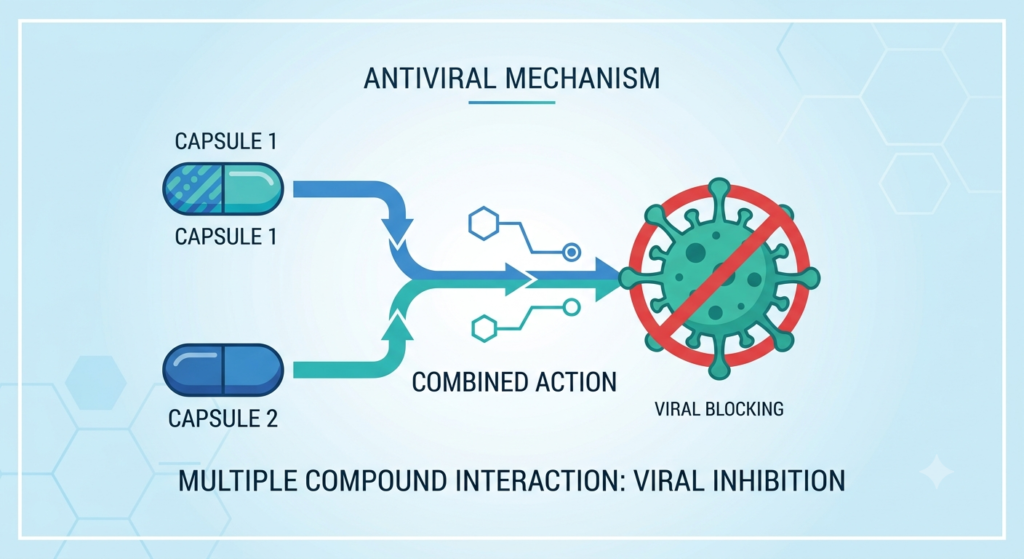
Together, they reduce viral replication early in the infection. By lowering the amount of virus in the body, Paxlovid gives the immune system a better chance to control the infection before it becomes severe.
Clinical trials showed that when started within five days of symptom onset in eligible high-risk patients, Paxlovid significantly reduced the risk of hospitalization and death.
Why Does Paxlovid Rebound Happen?
Scientists are still studying exactly why COVID-19 rebound occurs. Current research suggests that rebound may involve the interaction between antiviral treatment, the amount of virus remaining in the body, and the immune response.
Temporary Suppression of the Virus
The most widely accepted explanation is that Paxlovid rapidly suppresses viral replication without immediately eliminating every virus particle. After treatment ends, small amounts of virus may begin multiplying again before the immune system completely clears the infection.
This does not necessarily mean the medication stopped working. In fact, it may have successfully prevented severe disease while the immune system finishes the job.
Individual Immune Response
Everyone’s immune system responds differently to COVID-19. Age, vaccination history, underlying health conditions, and previous infections all influence how quickly the body clears the virus.
Some people naturally need a little more time to mount a complete immune response, making a short-lived rebound more likely.
The Natural Course of COVID-19
An important point is that rebound is not unique to people who take Paxlovid. Symptom or test positivity can also return in people who did not receive antiviral treatment, so Paxlovid itself should not be described as the sole cause of rebound.
This suggests rebound may simply be part of the natural progression of COVID-19 in some cases.
Researchers continue to investigate whether certain variants, viral load levels, or immune responses increase the likelihood of rebound.
What Are the Symptoms of Paxlovid Rebound?
Paxlovid rebound symptoms are generally similar to the original COVID-19 symptoms and are often mild.
Common symptoms include:
- Fatigue
- Sore throat
- Runny nose
- Nasal congestion
- Mild cough
- Headache
- Muscle aches
- Low-grade fever
Some people experience only one or two symptoms, while others simply notice a positive COVID-19 test without feeling sick.
Most rebound episodes are mild and improve without additional antiviral treatment. However, worsening or severe symptoms should not be assumed to be normal rebound and should be medically evaluated.
Paxlovid Rebound Timeline
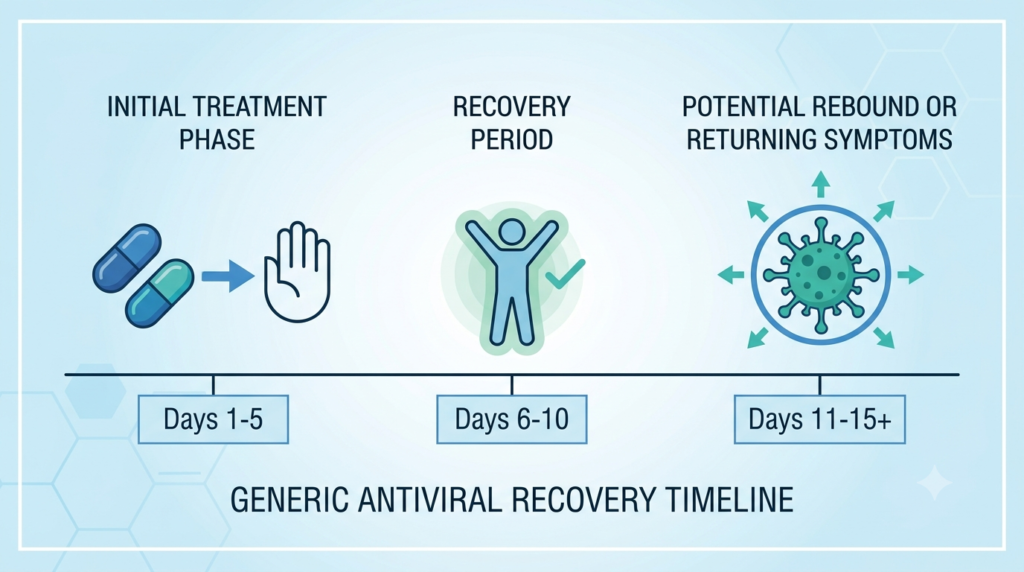
Although everyone’s recovery is slightly different, a typical timeline looks like this:
Day 1–5
You take Paxlovid twice daily. Symptoms usually improve quickly, often within the first few days.
Day 6–8
Treatment ends, and many people continue feeling better. Some test negative on rapid antigen tests.
Day 7–13
Some people experience a return of symptoms or test positive again several days after initial improvement. The exact timing varies, so rebound should not be defined by a single fixed day.
Following Week
Symptoms gradually resolve as the immune system finishes clearing the virus.
Rebound symptoms are generally short-lived, although a positive test can remain detectable after symptoms have improved. The course varies from person to person.
Is Paxlovid Rebound Contagious?
Yes, rebound can be contagious. If COVID-19 symptoms return or you test positive again, you may be able to spread the virus to other people.
Although researchers are still learning how infectious rebound cases are, viral replication during rebound means transmission remains possible.
For this reason, health authorities recommend taking precautions if rebound occurs.
These include:
- Isolating if you develop symptoms again.
- Wearing a well-fitting mask around other people.
- Avoiding close contact with individuals at high risk for severe COVID-19.
- Following your local public health guidance regarding isolation and masking.
If you are unsure whether you are still contagious, repeated rapid antigen testing over several days can help determine when viral levels are decreasing.
What Should You Do If Paxlovid Rebound Happens?
For most people, COVID-19 rebound does not require restarting or extending antiviral treatment. The main priorities are monitoring symptoms, reducing transmission, and seeking medical advice if your condition worsens.
Rest and Stay Hydrated
Continue getting enough sleep, drinking fluids, and eating nutritious meals. Your immune system is still actively clearing the infection.
Monitor Your Symptoms
Monitor your symptoms and watch for signs of worsening illness, including difficulty breathing, persistent chest pain or pressure, new confusion, or difficulty staying awake. These symptoms require prompt medical attention.
Test Again
If symptoms return, taking another rapid antigen test can help confirm rebound. Many people become positive again after previously testing negative.
Avoid Spreading the Virus
Until symptoms improve and testing suggests you are no longer infectious, limit contact with others whenever possible.
Contact Your Healthcare Provider If Needed
Seek medical advice if:
- Symptoms become significantly worse.
- You have underlying medical conditions that increase your risk.
- Symptoms last much longer than expected.
- You’re unsure whether you’re experiencing rebound or a new infection.
A second course of Paxlovid is not routinely recommended solely because rebound occurs. If symptoms are worsening, severe, or you have a high risk of complications, contact a healthcare professional to determine whether additional evaluation or treatment is appropriate.
Paxlovid Rebound vs. Reinfection
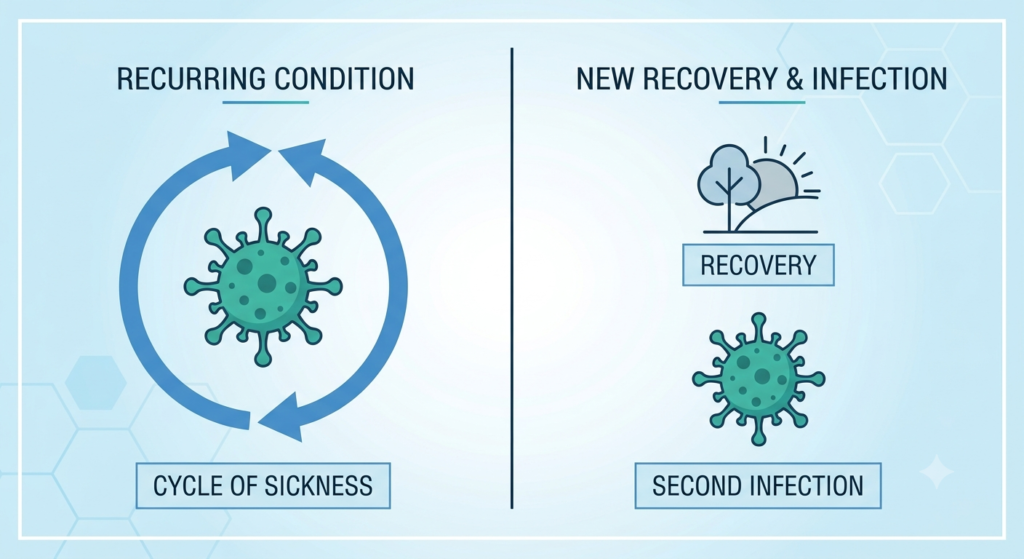
One of the biggest questions people ask is whether they are experiencing Paxlovid rebound or if they have simply caught COVID-19 again. While the two can look similar, they are quite different.
| Paxlovid Rebound | COVID-19 Reinfection |
| Happens within a few days after completing Paxlovid | Usually occurs weeks or months after recovery |
| Caused by the original infection becoming detectable again | Caused by a new exposure to the coronavirus |
| Often follows an initial negative test or symptom improvement | Usually begins after a period of complete recovery |
| Symptoms are typically mild | Symptoms can range from mild to severe |
| Usually resolves without additional antiviral treatment | Treatment depends on the severity of the new infection |
In simple terms, rebound refers to COVID-19 symptoms or test positivity returning after initial improvement, while reinfection involves a new infection after recovery from an earlier infection.
Common Myths About Paxlovid Rebound
Misinformation about Paxlovid rebound spread quickly during the pandemic, but research has helped clarify many of the misconceptions.
Myth 1: Paxlovid Does not Work if You Experience Rebound
A rebound does not automatically mean Paxlovid failed. The treatment can reduce the risk of severe COVID-19 even when symptoms or a positive test later return.
Myth 2: Everyone Who Takes Paxlovid Experiences Rebound
No. Only a minority of patients experience rebound, and many people recover completely without symptoms returning.
Myth 3: Rebound Is More Dangerous Than the Original Infection
In most cases, rebound symptoms are milder than the initial illness and resolve without hospitalization.
Myth 4: You Need Another Course of Paxlovid
Current medical guidance does not recommend routinely taking a second course of Paxlovid for rebound. Additional treatment is only considered in specific situations and should be discussed with a healthcare provider.
Myth 5: Rebound Means You’ll Develop Long COVID
Researchers are still studying this question. At present, there is no clear evidence that experiencing Paxlovid rebound automatically increases the risk of developing Long COVID.
Practical Recovery Guide
If your symptoms return after completing Paxlovid, try not to panic. For most people, rebound is temporary and manageable at home.
Rest and Recover
Even if you initially felt better, your body is still recovering from a viral infection. Give yourself time to heal by getting plenty of sleep and avoiding strenuous physical activity until you are feeling well again.
Stay Hydrated
Fever and congestion can lead to dehydration. Drink water regularly and consider warm soups or electrolyte drinks if your appetite is reduced.
Treat Symptoms
Over-the-counter medications, such as acetaminophen or ibuprofen (if appropriate for you), may help relieve fever, body aches, or headaches. Saline nasal sprays, throat lozenges, and warm fluids can also ease discomfort.
Monitor Your Health
Keep track of your temperature, breathing, and overall symptoms. Most rebound cases improve within a few days, but persistent or worsening symptoms deserve medical attention.
Protect Others
Because rebound may involve renewed viral shedding, wear a high-quality mask if you need to be around other people and avoid close contact with those who are older or have weakened immune systems.

Conclusion
Paxlovid rebound can be unsettling, especially after you begin to feel recovered. It generally refers to COVID-19 symptoms returning or a positive test appearing again after initial improvement. Rebound does not necessarily mean that Paxlovid failed.
Most rebound episodes are mild and improve without additional antiviral treatment. The important steps are to monitor your symptoms, take precautions to reduce transmission, and seek medical advice if your condition worsens or you have significant health risks.
FAQ’s
How long does Paxlovid rebound last?
Rebound symptoms are usually short-lived and often improve within several days. However, a positive COVID-19 test can remain detectable after symptoms improve, so the duration varies from person to person.
Is Paxlovid rebound dangerous?
For most people, no. Rebound is generally mild and self-limiting. However, anyone who develops severe symptoms such as difficulty breathing, persistent chest pain, confusion, or bluish lips, should seek emergency medical care immediately.
How common is Paxlovid rebound?
Reported rates vary because studies use different definitions and testing methods. Rebound can occur after Paxlovid and has also been documented in people who did not receive antiviral treatment.
Can vaccinated people experience Paxlovid rebound?
Yes. Rebound has been reported in both vaccinated and unvaccinated individuals. Vaccination status does not completely eliminate the possibility, although vaccination continues to reduce the risk of severe COVID-19.
Can you test positive again after testing negative?
Yes. A person may initially test negative after completing treatment and then test positive again during rebound. This is one of the defining features of Paxlovid rebound.
Should I take another course of Paxlovid?
Not usually. Current recommendations do not support routinely prescribing a second course solely because rebound occurs. Your healthcare provider will determine whether additional treatment is appropriate based on your overall health and risk factors.
Can Paxlovid rebound happen without symptoms?
Yes. Some people feel completely well but become positive on a rapid antigen test again. Others experience both a positive test and returning symptoms.
Does rebound mean the virus has become resistant?
There is currently no strong evidence that typical Paxlovid rebound is caused by antiviral resistance. Researchers continue to study this possibility, but available data suggest rebound is more likely related to the body’s interaction with the virus than to drug resistance.