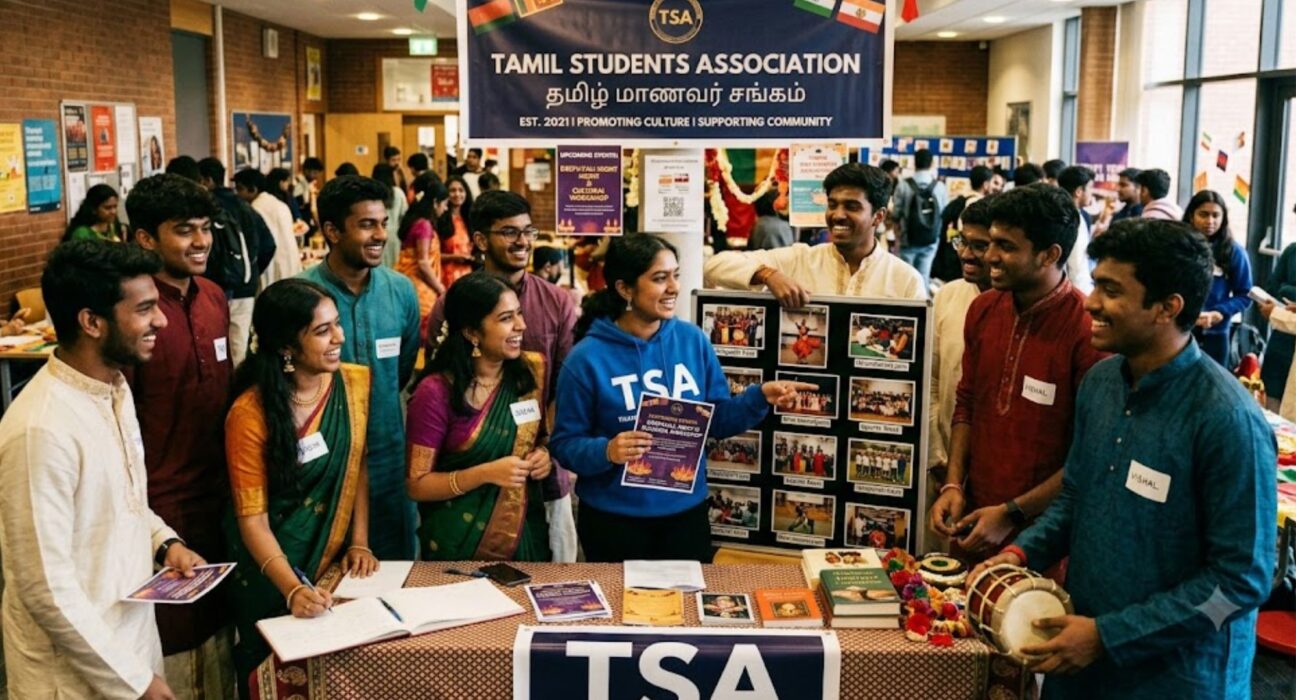
Starting university often means leaving behind a familiar support system , family, language, food and traditions that shaped daily life. For many Tamil students, a campus association becomes the bridge back to that world while building something new,friendships, leadership experience and a support network that lasts well past graduation.
Chapters like the University of Toronto’s TSA, McGill’s TAMill and groups at Western and Windsor show how differently this can look from campus to campus, even while sharing the same core mission. This guide walks through how these organizations work, what roles exist, how to join one and what makes some chapters thrive while others struggle.
What Is a Tamil Students Association?
A Tamil Students Association is a student organization dedicated to preserving and promoting Tamil heritage through cultural celebrations, educational initiatives, leadership opportunities and community engagement. While every chapter has its own traditions and priorities, they share a common purpose, creating a supportive and inclusive space for students, whether they grew up immersed in Tamil culture or are just beginning to explore it.
Purpose of Student Led Cultural Organizations
Student led cultural organizations give students a way to grow outside the classroom. A Tamil Students Association fulfills that role by celebrating Tamil language and identity while building lasting friendships among members.
Mission and Vision
One of the core goals of a Tamil Students Association is to preserve and celebrate Tamil traditions for future generations. Universities bring together students from different regions and countries, making cultural organizations valuable spaces for sharing traditions and maintaining identity in a new environment.
Language
Tamil is one of the world’s oldest living languages. Many chapters run language workshops, reading sessions, and conversation groups to help students improve their Tamil or reconnect with it.
Literature
Tamil literature spans classical poetry, historical writing and modern works. Associations often host book discussions, literary competitions and educational sessions highlighting important contributions to Tamil literature.
Music
Music holds deep cultural significance in Tamil traditions. Associations frequently organize performances featuring both classical and contemporary Tamil music, giving students a platform to perform and appreciate different styles.
Dance
Classical forms like Bharatanatyam, alongside modern fusion performances, are staples of campus cultural nights. These showcases let students display artistic talent while introducing Tamil performing arts to a wider audience.
Traditional Celebrations
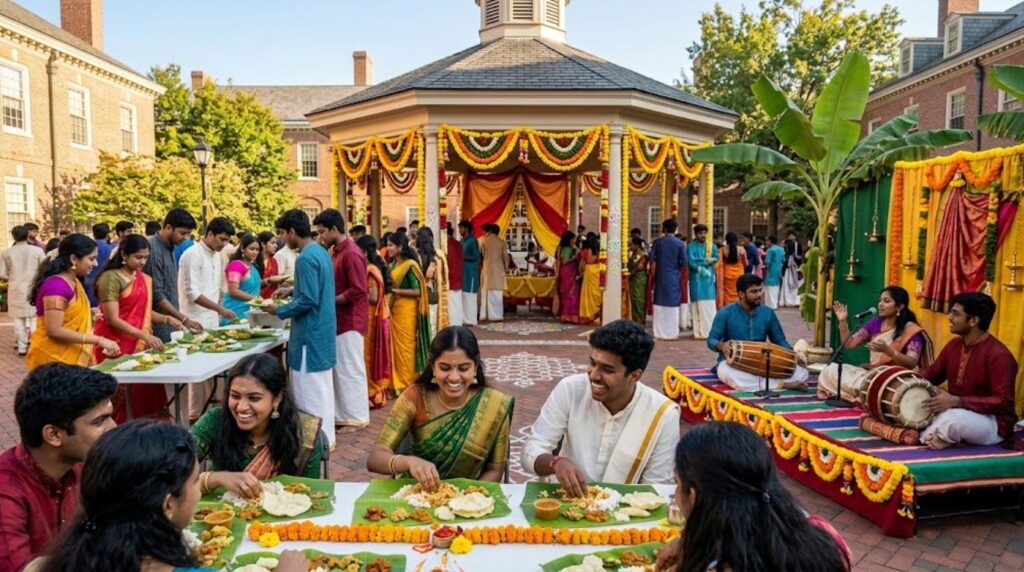
Festivals are among the most anticipated activities a Tamil Students Association hosts. Events celebrating Pongal, Tamil New Year and Deepavali bring the community together for food, music, games, and performances ,sharing these traditions with the broader university.
Building Student Connections
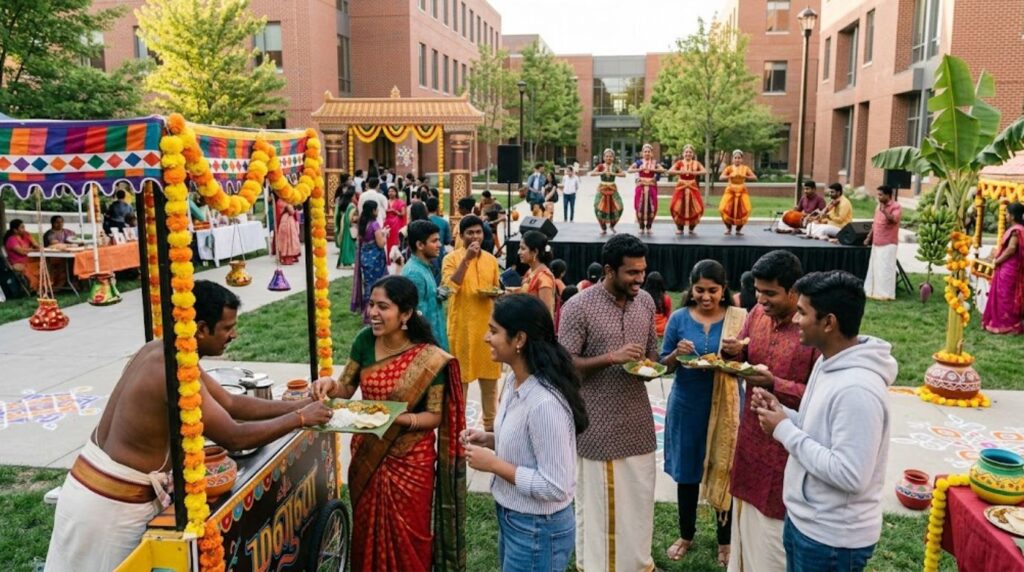
A meaningful university experience involves more than academics. A Tamil Students Association helps students build relationships that support both personal and professional growth throughout their education.
Networking
Networking events connect students with alumni, faculty, professionals and community leaders ,offering career advice, internship opportunities and mentorship that pays off long after graduation.
Friendships
University can be difficult, especially for students living away from home for the first time. A Tamil Students Association creates a welcoming environment where students meet people with shared interests, forming lasting friendships and support systems.
Peer Support
Experienced members often mentor newer students on academics, campus resources and time management, helping them adjust more comfortably to university life.
Community Engagement
Chapters often partner with local organizations, charities and other student clubs on volunteer programs and community events ,strengthening ties between the university and surrounding neighborhoods.
Leadership Roles
Most chapters are run by student volunteers who organize activities and support members throughout the year. Leadership positions give students hands-on management experience while helping the organization meet its goals.
- President : Sets organizational goals, oversees meetings and represents the association at university events.
- Vice President :Supports the President, coordinates internal committees and steps in when needed.
- Secretary :Maintains records, prepares agendas and manages official communication.
- Treasurer :Oversees budgeting, expense tracking, sponsorships and event finances.
- Events Coordinator :Plans festivals, workshops and social gatherings, handling venues and logistics.
- Marketing Team :Promotes activities through social media, newsletters and campus communication channels.
- Cultural Coordinator :Plans performances, traditional celebrations and cultural exhibitions.
- Volunteer Coordinator :Recruits, trains and manages volunteers for events and service projects.
Scholarships and Academic Support
Beyond cultural programming, many Tamil Students Association chapters also support students academically, which makes them more than just social clubs. Some chapters offer small merit based or need based scholarships through fundraisers and alumni donations.
They may also organize study groups and peer tutoring during exam season to help students prepare. Alumni can lead resume workshops and mock interviews, giving members useful career guidance.
Some associations also provide shared academic resources collected by senior students. Together, these efforts show that a Tamil Students Association is not only about festivals and cultural events but also about helping members succeed in their academic and professional lives.
Digital Presence and Online Community
Modern Tamil Students Association chapters increasingly use digital platforms to stay connected with students, alumni and the wider university community. They may use Instagram or TikTok to share event highlights and cultural content, while WhatsApp or Discord groups make it easier to send quick updates and encourage informal discussions.
A website or Linktree can bring together event calendars, membership forms and merchandise information in one place. Some associations also share recorded cultural performances on YouTube to reach alumni and prospective students.
This digital presence helps a Tamil Students Association stay connected with graduating members, attract new students during orientation, and increase its visibility on campus.
Inter University Collaboration and Regional Conferences
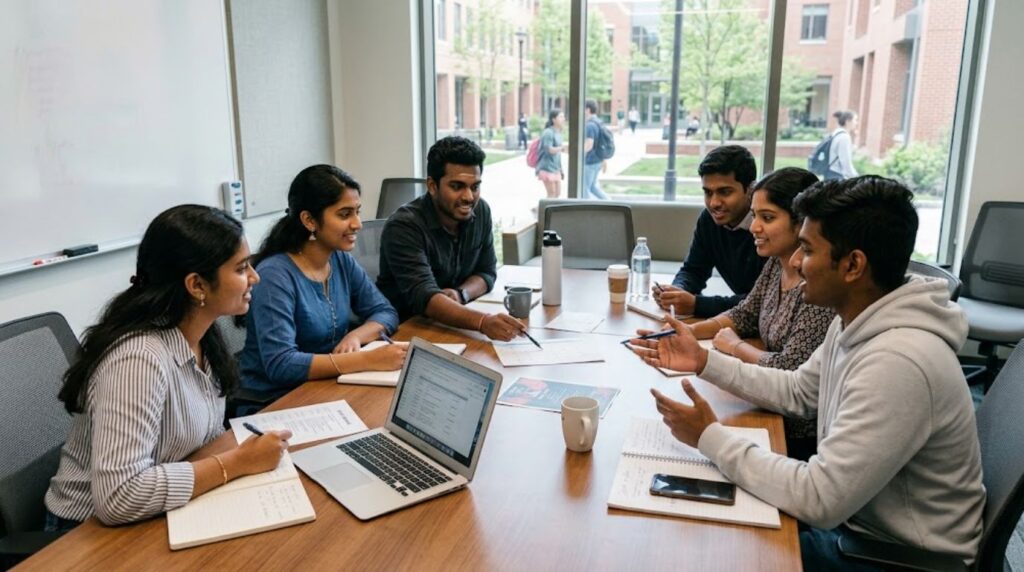
Many Tamil Students Association chapters also work with organizations at other universities. Regional and national conferences can bring students from different campuses together for cultural competitions, leadership programs, community service projects and alumni discussions.
These events may include dance, music and public speaking competitions, while leadership sessions allow student officers to share ideas and learn from one another. Joint community projects such as fundraising for disaster relief, also give students opportunities to work together.
Alumni panels can further connect graduates with students from different universities and industries. These wider networks help students feel connected to a larger Tamil community beyond their own campus.
Mental Health and Sense of Belonging
University life can sometimes be stressful, especially for students who are living away from home, adjusting to a new academic system, or exploring their cultural identity. A Tamil Students Association can provide an informal support system by creating a familiar cultural space where students feel comfortable and connected. Talking with peers about stress and academic pressure can also help students feel less alone.
Some chapters may work with campus counseling centers to organize wellness workshops and related activities. Although a student association cannot replace professional support, the sense of belonging it provides can be an important part of the university experience.
How to Join
Joining a Tamil Students Association is usually simple and open to students who are interested in Tamil culture, leadership or community activities. Membership rules can vary from one university to another but many chapters welcome both undergraduate and graduate students from different backgrounds and language levels.
Students can usually join by completing an online membership form, attending a welcome event or signing up during a student organization fair. Information about membership is often available on the university website or the association’s social media pages.
In some cases, students may need to provide basic university information and pay a membership fee if one applies. After joining, they can become part of the association’s communication channels and attend an orientation or introductory meeting.
Common Challenges
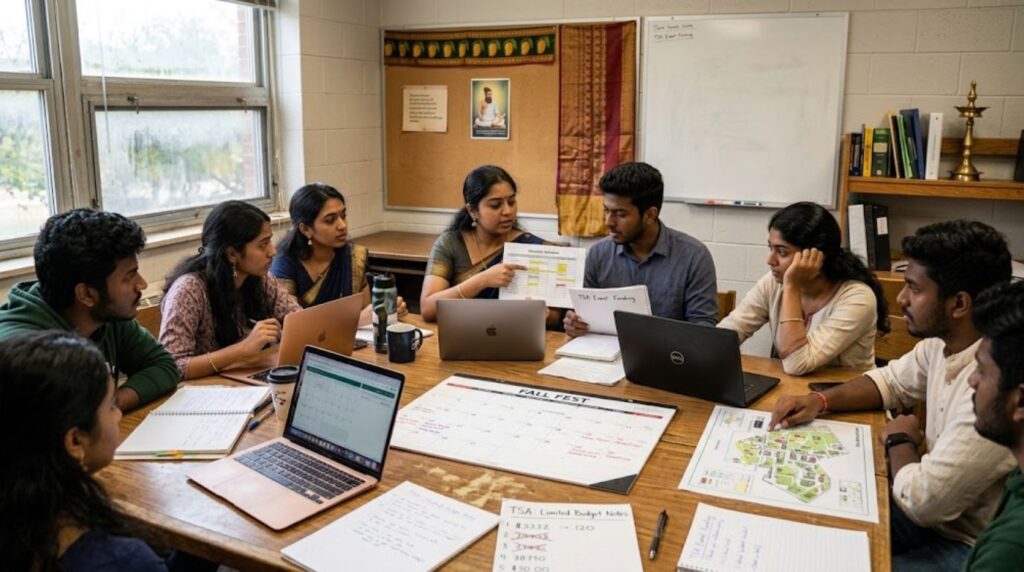
Like other student organizations, a Tamil Students Association can face several challenges while trying to keep its programs active and useful. Keeping members involved throughout the year can be difficult because students have changing schedules, classes, exams and other responsibilities.
Funding can also be a challenge because cultural festivals and educational programs may require sponsorships, university support or fundraising.
Finding enough volunteers is another common challenge, as successful events depend on students who can help with planning, promotion, communication and event activities. Student leaders must also balance their academic work with meetings, event planning and other responsibilities. Large campus events can be even more difficult because they require careful coordination of venues, budgets, performers, volunteers, and university approvals.
Preparing for Life After University
University is also about preparing for the future and a Tamil Students Association can support this process. Members can attend career talks, networking sessions and professional workshops. Alumni can share lessons from their own careers and answer student questions.
Students can also learn how to communicate professionally and build useful connections. These experiences can make the transition from university to work easier. They can also help students feel more confident about their next steps.
Preserving Family Traditions
Students living away from home may want to stay connected to traditions they grew up with. A Tamil Students Association can provide opportunities to learn and share family customs with others. Members can talk about traditional food, celebrations, stories, music and everyday practices.
These conversations can help younger students understand their cultural background. They also allow different families to share their own experiences. In this way, campus life can become a place where traditions continue.
What Makes a Chapter Successful
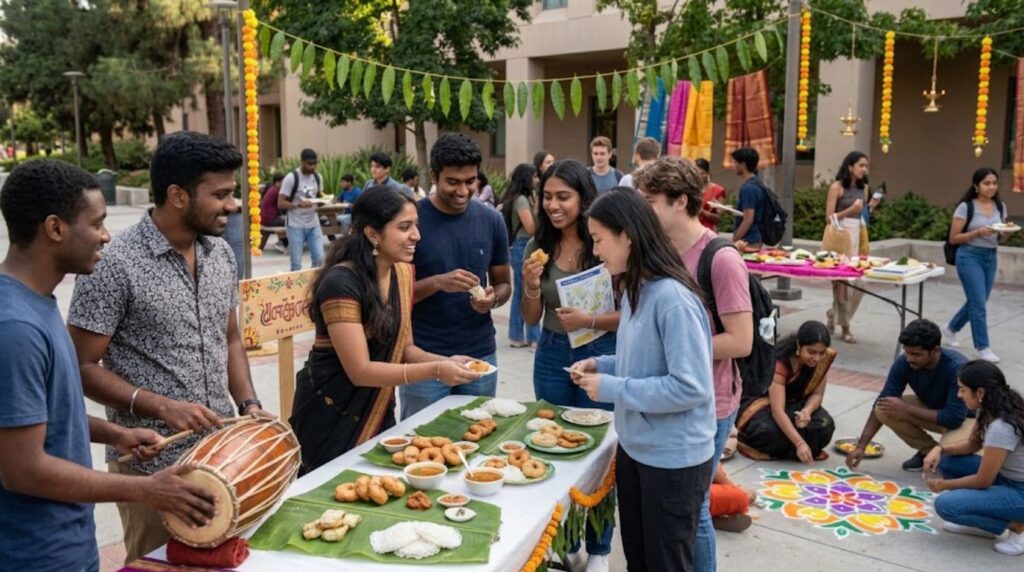
Every chapter may work differently, but several simple factors can help an association grow and remain active.
Strong Student Leadership
Good leaders can set clear goals, communicate with members and share responsibilities instead of trying to manage everything alone.
Regular Activities
A steady schedule of cultural, social, academic and community activities can help members stay involved throughout the academic year.
Good Teamwork
Events are easier to manage when students work together and understand their individual responsibilities.
Support From the University
University staff and faculty advisors can help associations understand campus rules, access resources and organize larger activities.
The Future of Tamil Students Associations
As student communities become more connected, Tamil Students Associations can continue to grow in new ways. Digital communication makes it easier to connect students across campuses and stay in touch with alumni after graduation.
Future associations may combine traditional cultural activities with modern workshops. This can help younger students stay connected to their heritage while also preparing for academic and professional life.
The main purpose remains simple, create a welcoming space where students can connect, learn, celebrate culture and support one another. By combining tradition with new ideas, a Tamil Students Association can remain an important part of university life for many years.
Conclusion
As universities become more globally connected, student organizations play an increasingly important role in shaping experiences beyond academics. A strong Tamil Students Association can inspire confidence, encourage collaboration and help students discover new perspectives while navigating university life.
Through shared experiences and active participation, members gain opportunities to contribute to a vibrant campus environment and build connections that extend far beyond their years of study. These experiences don not just enrich the present ,they create a foundation for future personal, professional and community involvement.
FAQs
How can a Tamil Students Association improve the university experience?
It helps students feel more connected to campus by offering opportunities to make friends, attend events, gain leadership experience and participate in activities outside the classroom.
Can high school students participate in Tamil Students Association events?
This depends on the university and the specific event. Some public cultural programs welcome outside guests, while others are reserved for enrolled students and members.
How do Tamil Students Associations collaborate with other campus clubs?
They often partner with cultural, academic and community organizations to host multicultural festivals, charity events, workshops and campus wide celebrations.
What types of sponsorships do these associations seek?
Chapters often seek sponsorships from local businesses, alumni, community organizations and university departments to fund cultural events and student programs.
How do they use social media to engage members?
Most rely on Instagram, Facebook, LinkedIn and WhatsApp to announce events, share updates, recruit volunteers and communicate with members.
What role do faculty advisors play?
Faculty advisors offer guidance, help ensure university policies are followed, mentor student leaders and support the organization’s long-term development.
How can alumni continue supporting the association after graduation?
Alumni can mentor current students, speak at career events, sponsor activities, offer internships, donate resources or volunteer at programs.